Introduction to Oil-Resistant Rectangular Proximity Sensors
In demanding industrial environments where exposure to oils, coolants, and other lubricants is prevalent, standard proximity sensors often face premature failure. Oil-resistant rectangular proximity sensors are specifically engineered to withstand these harsh conditions. Their rectangular form factor offers advantages in mounting and sensing directionality compared to cylindrical models. These robust devices provide non-contact detection of metallic or, in some cases, non-metallic objects, ensuring reliable operation in machine tools, automotive manufacturing, food processing, and other sectors where oil contamination is a constant challenge. The key to their durability lies in specialized housing materials, advanced sealing technologies, and often, chemically resistant cabling.
Primary Types Based on Sensing Technology
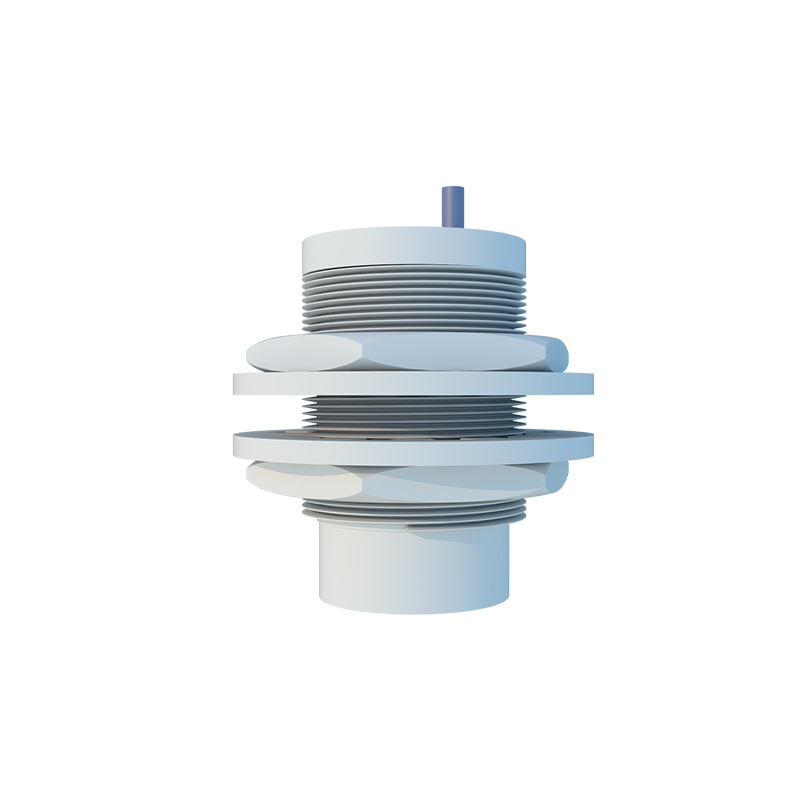
Several core sensing technologies are employed within oil-resistant rectangular housings, each suited to specific application needs. Inductive proximity sensors are the most common type, capable of detecting ferrous and non-ferrous metals without physical contact. They generate an electromagnetic field and react to eddy current losses caused by a target. Capacitive proximity sensors can detect both metallic and non-metallic materials, such as plastics, liquids, or wood, by sensing changes in capacitance. Ultrasonic sensors use sound waves to detect objects and measure distance, functioning well in environments with airborne oil mist. Photoelectric sensors, with their oil-resistant windows, use light beams to detect objects and are ideal for precise positioning tasks.
Key Design Features for Oil Resistance
The oil-resistant capability is not defined by a single feature but by a combination of design elements. The housing is typically constructed from materials like nickel-plated brass, stainless steel (V2A or V4A grades), or high-grade, chemically resistant plastics such as PBT or PPS. Critical to performance is the ingress protection rating, with IP67 and IP69K being standard. IP67 guarantees protection against temporary immersion, while IP69K indicates resistance to high-pressure, high-temperature washdowns. The front sensing face is often made of a specialized ceramic or composite material that is impervious to oil penetration. Potting compounds seal internal electronics, and high-quality radial shaft seals or laser-welded housings prevent fluid ingress at all potential entry points.
Electrical Output Configurations and Wiring
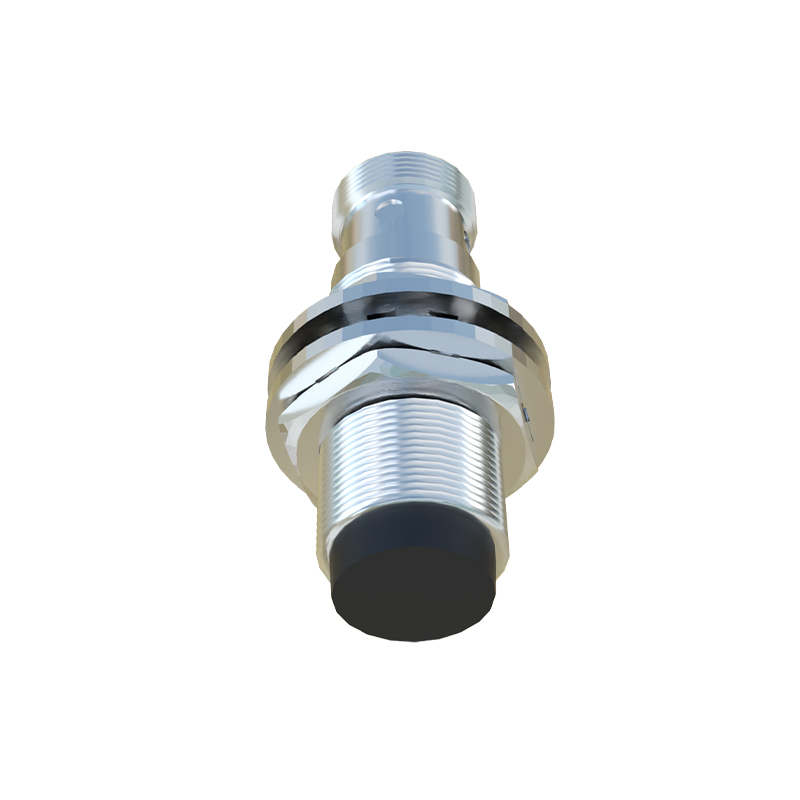
Oil-resistant rectangular sensors are available in various electrical output configurations to interface with different control systems. The two primary types are DC (Direct Current) and AC (Alternating Current) models. DC sensors commonly offer NPN (sinking) or PNP (sourcing) transistor outputs, which are standard for modern programmable logic controllers (PLCs). Analog outputs (0-10V or 4-20mA) provide continuous distance or signal strength information. For direct switching of higher loads, models with relay contacts are available. Connection options include fixed cables with oil-resistant sheathing (e.g., PUR) or quick-disconnect connectors (e.g., M8, M12) that also meet the required IP ratings for a sealed system.
Mounting Considerations and Sensing Ranges
The rectangular shape allows for versatile mounting, including flush, non-flush, and side-sensing configurations. Flush-mounted sensors can be embedded in metal without false triggering from the surrounding material. Sensing ranges vary significantly by technology and model. Typical inductive sensors offer ranges from 2mm to 40mm. Factors influencing the effective sensing distance include the target material's properties, size, and the sensor's built-in hysteresis. Many models feature LED status indicators for easy diagnostics, visible even through oil film. The robust housing often includes integrated mounting holes or slots for secure installation using brackets.
Critical Application Areas in Industry
These sensors are indispensable in sectors where oil is integral to the process. In metalworking and CNC machining, they are used for tool detection, part positioning, and pallet exchange systems amidst cutting fluids and lubricants. Automotive assembly lines employ them for robot end-effector positioning and part verification in hydraulic and greasy environments. In food and beverage processing, where plant equipment requires frequent oil-based lubrication and aggressive washdowns, oil-resistant sensors ensure hygiene and uptime. They are also vital in hydraulic press controls, plastic injection molding machines, and automated lubrication systems themselves.
Selection Criteria and Maintenance Best Practices
Selecting the correct sensor involves analyzing several parameters: the target material, required sensing distance, environmental temperature, type of oil or chemical exposure, electrical requirements, and response speed. It is crucial to consult the sensor's datasheet for its specific resistance to mineral oils, synthetic oils, or coolants. For maintenance, regular visual inspection for physical damage or buildup is recommended. Cleaning should be done with a soft cloth and a cleaner compatible with the housing