Introduction to Anti-Strong Magnetic Proximity Sensors
In industrial automation and control systems, proximity sensors are indispensable for detecting the presence or absence of objects without physical contact. Among the various types, the anti-strong magnetic proximity sensor represents a specialized category designed to operate reliably in environments with intense magnetic interference. Traditional inductive or capacitive sensors can experience false triggering or performance degradation when exposed to powerful magnetic fields, such as those near large motors, transformers, or welding equipment. The anti-strong magnetic sensor is engineered to mitigate these effects, ensuring stable and accurate detection. Its development addresses a critical need in heavy industry, robotics, and automotive manufacturing, where electromagnetic noise is a constant challenge. This article delves into the operational principles, key technologies, and design considerations that enable these sensors to function effectively under such demanding conditions.
Core Operating Principle: Magnetic Field Immunity
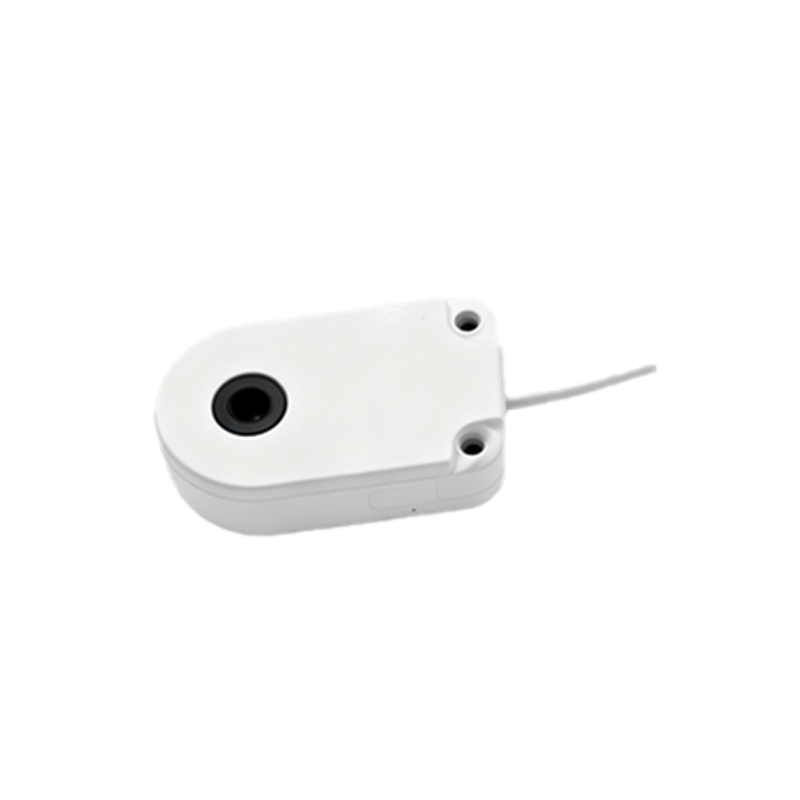
The fundamental principle of an anti-strong magnetic proximity sensor lies in its ability to distinguish between the target object's signal and external magnetic noise. Most standard inductive proximity sensors generate a high-frequency electromagnetic field from a coil in the sensing head. When a metallic target enters this field, it induces eddy currents, causing a change in the oscillation amplitude, which is detected. However, a strong external magnetic field can directly influence this coil, altering its inductance and leading to false outputs. Anti-strong magnetic sensors incorporate several design strategies to counter this. A primary method is the use of a differential sensing system. Instead of a single coil, two identical coils are arranged in a balanced configuration. An external, uniform magnetic field affects both coils equally, resulting in a net zero differential signal. Only the localized disturbance caused by a proximate metallic target creates an imbalance, which is then detected. This common-mode rejection technique is highly effective against ambient magnetic noise.
Shielding and Material Selection
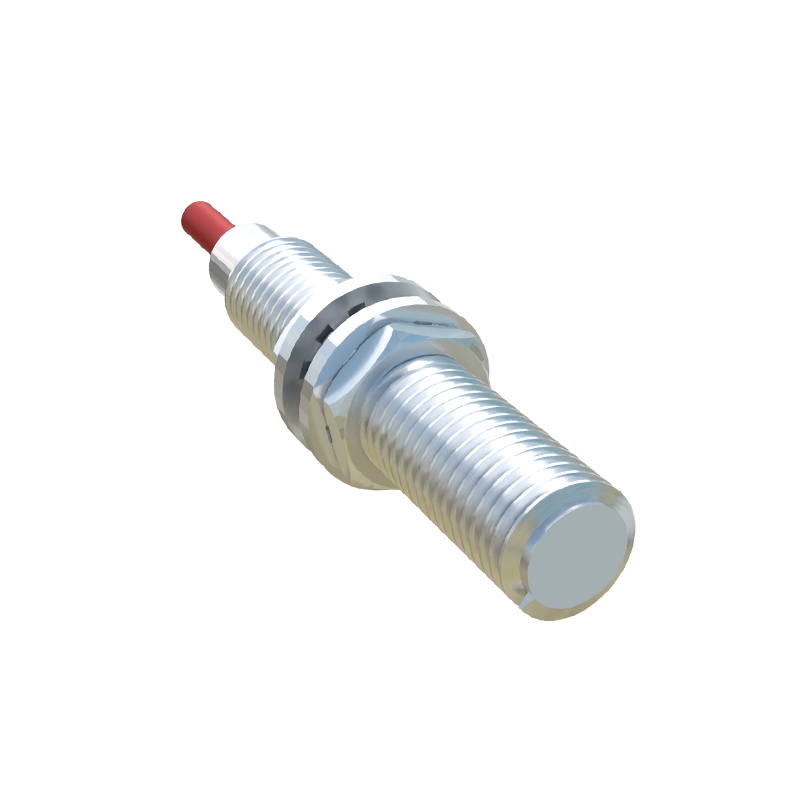
Passive shielding is another crucial element in the sensor's design. The internal electronics and sensitive coil assemblies are encased within a high-permeability magnetic shield, often made from alloys like mu-metal or permalloy. This shield acts as a low-reluctance path, diverting the lines of flux from an external strong magnetic field around the critical components rather than through them. The geometry and thickness of this shield are meticulously calculated based on the expected field strength and frequency. Furthermore, the selection of ferrite cores for the coils is vital. Special grades of ferrite with high saturation flux density and stability over a wide temperature range are used to prevent core saturation under strong magnetic influence, which would otherwise render the sensor inoperative. The housing itself is typically constructed from robust, non-ferrous materials like stainless steel or brass to avoid becoming magnetized and affecting performance.
Advanced Signal Processing and Circuitry
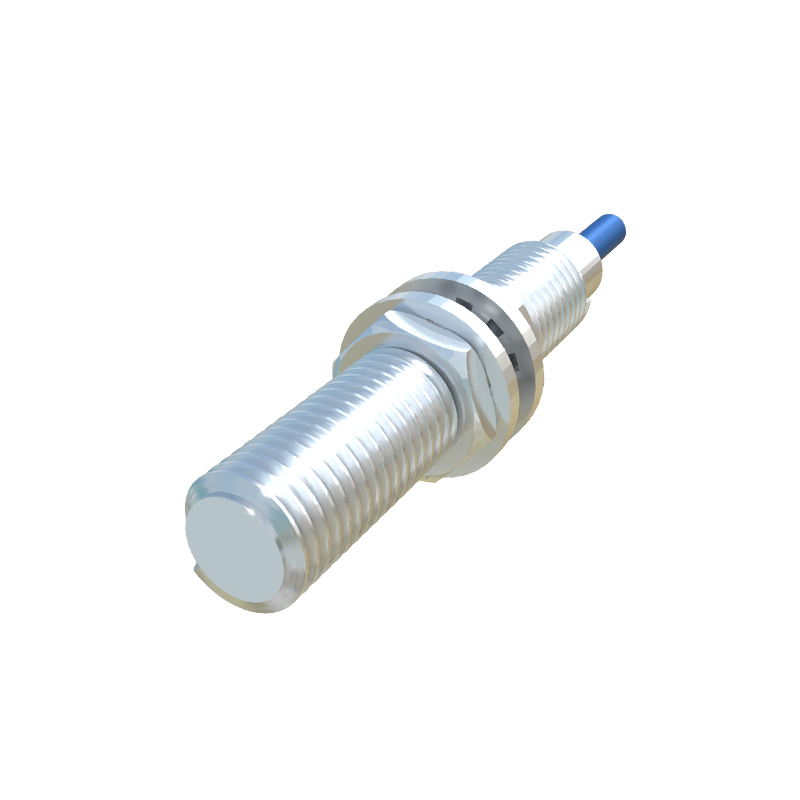
Beyond physical design, sophisticated electronic circuitry is the brain that enables immunity. Modern anti-strong magnetic sensors employ microcontrollers or application-specific integrated circuits (ASICs) with advanced digital signal processing (DSP) algorithms. The raw signal from the sensing element is converted to digital form. DSP filters, such as adaptive notch filters or digital lock-in amplifiers, are then applied. These algorithms are tuned to recognize the specific frequency and signature of the sensor's own generated field while actively filtering out frequencies characteristic of common industrial magnetic interference, such as 50/60 Hz power line harmonics. Some sensors also feature automatic calibration routines that run periodically to compensate for any slow drift in parameters caused by prolonged exposure to magnetic fields or temperature changes, ensuring long-term stability.
Application-Specific Design Variations
The implementation of anti-strong magnetic principles can vary based on the specific detection technology. For instance, in a magnetostrictive linear position sensor, which is inherently sensitive to magnets, anti-strong magnetic versions use specialized waveguide materials and filtering to ignore external fields. Similarly, Hall-effect based proximity sensors, which directly measure magnetic field strength, can be designed with gradiometer configurations (using multiple Hall elements) to cancel out uniform background fields. For inductive sensors detecting all metals, the focus is on the coil and shield design mentioned earlier. The choice of sensing distance also influences design; sensors with a longer range require more robust shielding and signal processing to maintain immunity over the larger active area.
Testing and Performance Standards
To guarantee performance, these sensors undergo rigorous testing. They are subjected to standardized tests defined in norms such as IEC 60947-5-2. A key test involves placing the sensor in a Helmholtz coil, which can generate a known, uniform, and powerful DC or AC magnetic field. The sensor must maintain its switching characteristics—without false triggering or missing a detection—up to a specified field strength, often rated at 100 mT (millitesla) or higher for heavy-duty applications. Other tests include