Introduction to Photoelectric Sensors
Photoelectric sensors are pivotal components in modern vending machines, serving as the eyes of the system. These devices operate by emitting a light beam—typically infrared, visible, or laser—and detecting changes in the received light to sense the presence, absence, or position of objects. In vending machines, they are strategically placed to monitor product dispensing, coin and bill validation, door status, and inventory levels. Their non-contact nature ensures minimal wear and tear, contributing to the longevity and reliability of the machine. By converting light signals into electrical outputs, photoelectric sensors enable precise control over vending operations, reducing errors and enhancing user satisfaction.
Types and Applications in Vending Systems
Several types of photoelectric sensors are employed in vending machines, each tailored to specific functions. Through-beam sensors, consisting of separate emitter and receiver units, are ideal for detecting product drops in dispensing mechanisms, ensuring items are delivered accurately. Reflective sensors, which bounce light off a target, are commonly used in coin and bill validators to verify currency authenticity by analyzing light patterns. Diffuse sensors, with built-in emitters and receivers, monitor inventory levels by sensing the presence of products on shelves, triggering restock alerts when supplies run low. Additionally, proximity sensors detect door openings to enhance security and prevent theft. These applications collectively optimize operational efficiency and reduce maintenance costs.
Technical Specifications and Performance
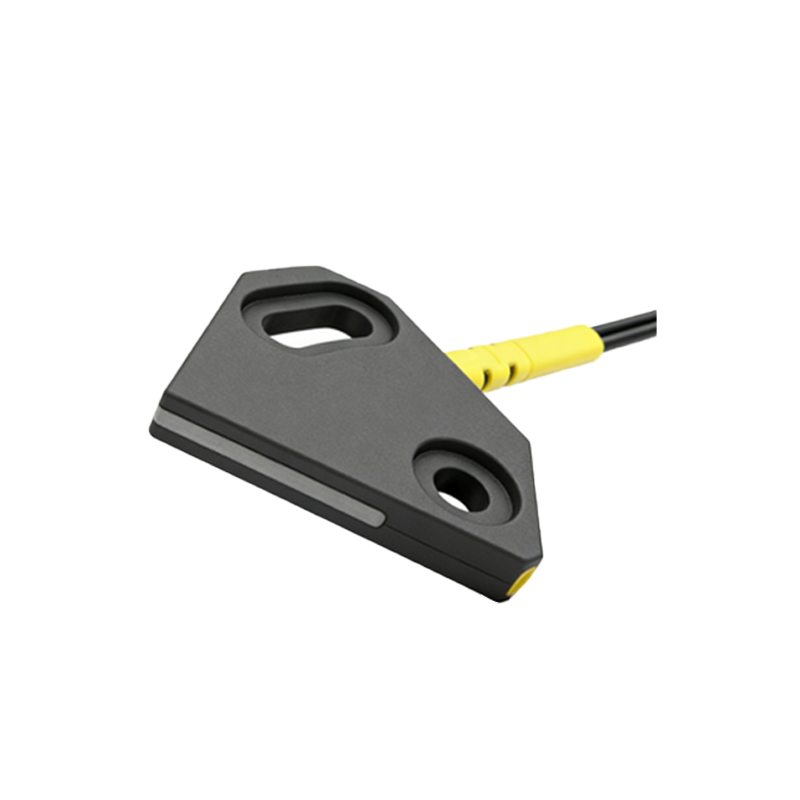
The effectiveness of photoelectric sensors in vending machines hinges on key technical parameters. Response time, typically in milliseconds, ensures rapid detection during high-speed transactions, preventing jams or missed sales. Sensing range varies from a few centimeters to several meters, depending on the application; for instance, short-range sensors suit coin validation, while longer-range ones monitor larger product compartments. Environmental durability is critical, as sensors must withstand temperature fluctuations, humidity, dust, and vibrations common in public settings. Many models feature IP67 or higher ingress protection ratings, safeguarding against moisture and debris. Advanced sensors also incorporate self-diagnostic functions, alerting operators to issues like lens contamination or alignment errors before failures occur.
Integration with Control Systems
Photoelectric sensors interface seamlessly with vending machine control units, such as programmable logic controllers (PLCs) or microcontrollers. They transmit digital or analog signals to these systems, which process the data to execute commands—like activating motors for dispensing or updating inventory counts. Communication protocols, including I/O links or serial interfaces, enable real-time monitoring and diagnostics. This integration supports smart vending capabilities, such as remote management via IoT networks, where sensor data is analyzed to predict maintenance needs or optimize stock levels. By feeding into centralized software, sensors help operators reduce downtime and improve profitability through data-driven insights.
Common Challenges and Solutions
Despite their reliability, photoelectric sensors face challenges in vending environments. Contamination from dust, spills, or condensation can obstruct light beams, leading to false readings. Regular cleaning and sealed housings mitigate this risk. Interference from ambient light, especially in sunny locations, may disrupt sensor operation; using modulated infrared light or optical filters enhances immunity. Mechanical misalignment over time can reduce accuracy, so robust mounting designs and periodic calibration are essential. Additionally, power surges or electrical noise might affect performance, necessitating surge protection and shielded cabling. Proactive maintenance schedules and choosing sensors with high environmental ratings address these issues, ensuring consistent functionality.
Future Trends and Innovations
The evolution of photoelectric sensors in vending machines is driven by advancements in technology. Miniaturization allows for more compact designs, enabling integration into smaller, modular vending units. Enhanced sensitivity and resolution support the detection of diverse products, from packaged goods to fresh meals, expanding vending possibilities. AI-powered sensors are emerging, capable of learning patterns to differentiate between objects or predict failures autonomously. Energy-efficient models reduce power consumption, aligning with sustainability goals. Furthermore, wireless sensor networks facilitate easier installation and scalability in smart vending ecosystems. As vending machines become more interactive and connected, photoelectric sensors will continue to play a crucial role in delivering seamless, reliable customer experiences.