Introduction to Photoelectric Sensor Technology
Photoelectric sensors are widely used in industrial automation for detecting the presence, absence, or position of objects without physical contact. These sensors operate by emitting a light beam, typically from an LED or laser source, and measuring changes in the received light due to reflection, interruption, or transmission. The core principle involves converting light signals into electrical outputs, enabling precise control in manufacturing, packaging, robotics, and safety systems. Their non-contact nature ensures minimal wear and high reliability, making them essential in harsh environments where mechanical sensors might fail. Common types include through-beam, retro-reflective, and diffuse reflective sensors, each suited for specific applications based on range, accuracy, and environmental conditions.
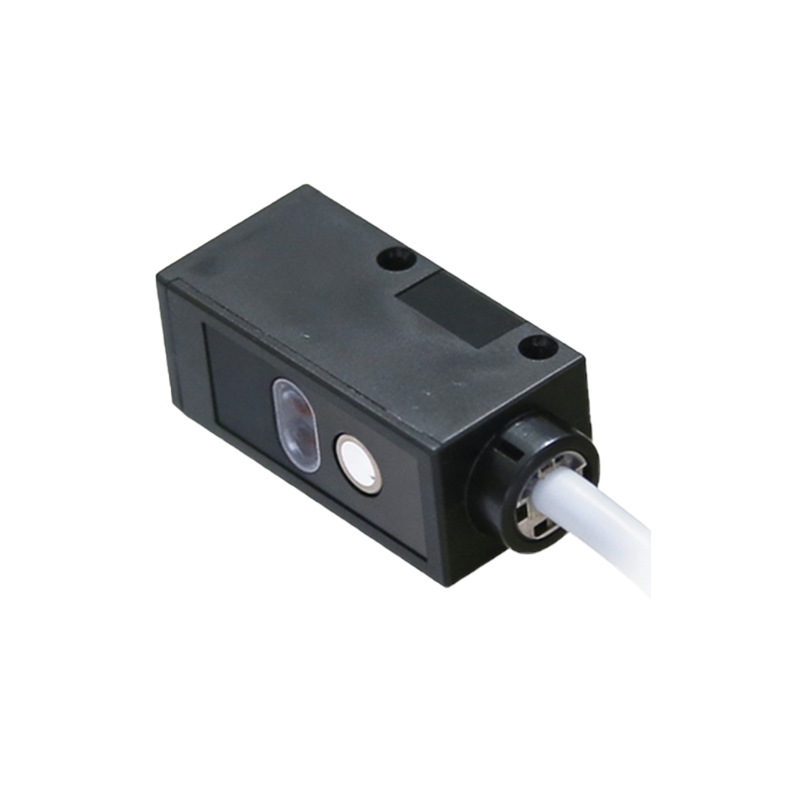
Understanding Infrared Light in Sensor Applications
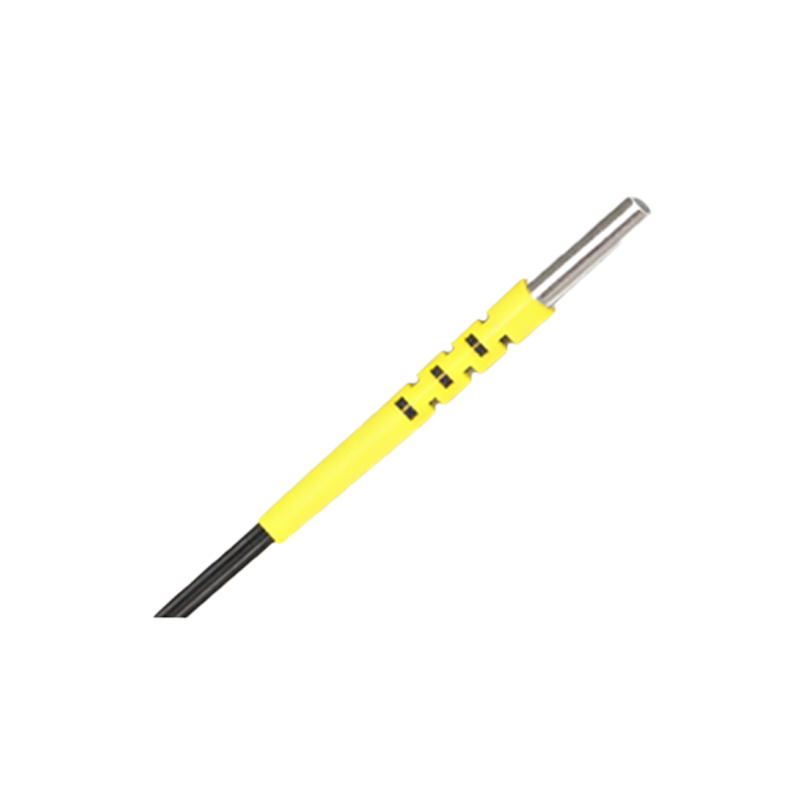
Infrared (IR) light is a type of electromagnetic radiation with wavelengths longer than visible light, typically ranging from 700 nanometers to 1 millimeter. In photoelectric sensors, infrared is often utilized due to its ability to penetrate certain materials and reduce interference from ambient visible light. IR-based sensors emit infrared beams and detect reflections or interruptions, making them effective in dusty, foggy, or variable lighting conditions. They are commonly found in proximity sensing, object counting, and level detection tasks. Unlike visible light sensors, IR variants can operate discreetly without visible beams, enhancing their suitability for security and automated systems where stealth or reduced distraction is desired.
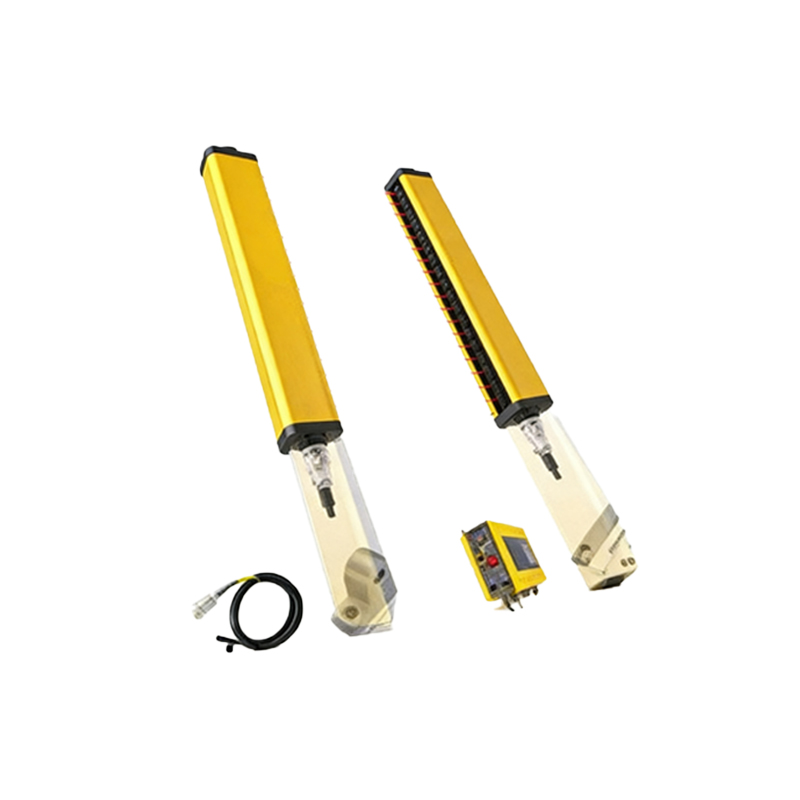
Classification of Photoelectric Sensors by Light Source
Photoelectric sensors are categorized based on their light sources, which determine performance characteristics such as range, accuracy, and environmental resistance. Common light sources include visible red light, laser, and infrared. Visible red light sensors are easy to align and ideal for short-range applications, while laser sensors offer high precision for long-distance detection. Infrared sensors, as a subset, excel in environments with high ambient light or where invisibility is advantageous. It's important to note that infrared sensors are a specific type within the broader photoelectric sensor family, utilizing IR wavelengths rather than being a separate category. This classification helps engineers select the right sensor for factors like detection distance, response time, and cost-effectiveness.
Infrared Sensors as a Subset of Photoelectric Sensors
Yes, photoelectric sensors include infrared sensors. Infrared sensors are a specialized form of photoelectric sensors that use infrared light as their emission source. They function on the same basic principle: emitting light and detecting changes in the received signal to trigger an output. The key difference lies in the wavelength; IR sensors operate in the infrared spectrum, which can be less affected by visible light interference and better suited for certain materials. In industrial settings, IR photoelectric sensors are employed for tasks like detecting transparent objects, monitoring conveyor belts, or ensuring safety in automated machinery. Thus, while all infrared sensors are photoelectric, not all photoelectric sensors use infrared—some may rely on visible or laser light.
Advantages of Infrared in Photoelectric Sensing
Infrared technology offers several benefits in photoelectric sensor applications. Firstly, IR light is less susceptible to ambient light noise, improving reliability in brightly lit areas. Secondly, it can detect objects that are transparent to visible light, such as glass or plastic, by leveraging specific absorption properties. Thirdly, IR sensors often have longer operational lifetimes due to lower power consumption and reduced heat generation. Additionally, they provide enhanced privacy in security systems, as the beams are invisible to the human eye. However, challenges include potential interference from other IR sources and sensitivity to environmental factors like dust or moisture, which can be mitigated with proper housing and filtering.
Practical Applications in Industrial Automation
In real-world industrial scenarios, infrared photoelectric sensors play a crucial role. For example, in packaging lines, they detect misaligned products or count items on fast-moving conveyors. In automotive assembly, IR sensors ensure precise positioning of components without contact, preventing damage. They are also used in liquid level detection in tanks, where IR beams can penetrate certain fluids. Safety systems, such as light curtains, often incorporate IR sensors to halt machinery when an obstruction is detected, protecting workers. The versatility of IR within photoelectric sensors allows for customization in range, beam pattern, and output type, meeting diverse industry needs from food processing to electronics manufacturing.
Selection Criteria for Optimal Performance
When choosing between infrared and other photoelectric sensors, engineers should consider factors like detection range, object properties, and environmental conditions. For long-range or high-precision tasks, laser-based sensors might be preferable, while IR sensors are ideal for environments with variable visible light or where discreet operation is needed. Material compatibility is key—IR may work better with certain transparent or reflective surfaces. Cost and maintenance also influence decisions; IR sensors often offer a balance of affordability and durability. Consulting manufacturer specifications and testing in situ can ensure optimal integration, maximizing efficiency and minimizing downtime in automated systems.
Future Trends and Innovations
The evolution of photoelectric sensors, including infrared types, is driven by advancements in IoT and smart manufacturing. Future sensors may integrate AI for adaptive detection, adjusting sensitivity based on real-time data. Miniaturization and enhanced connectivity via protocols like IO-Link will enable more seamless integration into Industry 4.0 networks. Energy-efficient IR sensors with extended ranges are also under development, reducing operational costs. As industries demand higher accuracy and reliability, the convergence of photoelectric and infrared technologies will continue to expand, offering innovative solutions for automation challenges. Staying updated with these trends helps professionals leverage sensors for improved productivity and safety.