Introduction to TL-Q5M Proximity Sensor
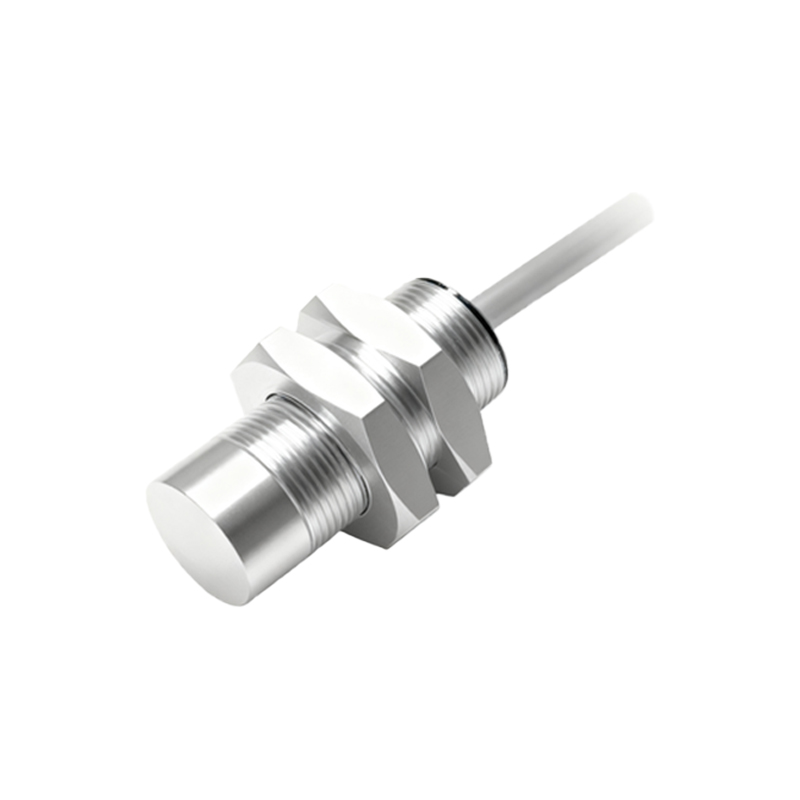
The TL-Q5M represents a significant advancement in the field of inductive proximity sensing. Engineered for robustness and precision, this sensor is designed to detect the presence of metallic objects without any physical contact. Its core principle relies on generating an electromagnetic field and monitoring disturbances caused by a target object. The TL-Q5M series is particularly noted for its compact cylindrical housing, making it suitable for installations where space is at a premium. Typical applications span across automated assembly lines, material handling systems, and machine tool positioning, where reliable object detection is critical for operational safety and efficiency. The sensor's design prioritizes longevity and stability in harsh industrial environments.
Key Technical Specifications and Operating Principles
Delving into the technical specifications, the TL-Q5M typically operates on a standard DC voltage range, such as 10-30 VDC, ensuring compatibility with common industrial power supplies. Its sensing distance, a crucial parameter, is defined according to standard specifications, offering a reliable and non-adjustable detection range. The output configuration is often a solid-state NPN or PNP transistor, providing a clear switching signal to a programmable logic controller (PLC) or other control units. The heart of its operation is an oscillator circuit that creates a high-frequency electromagnetic field at the sensing face. When a ferrous or non-ferrous metal object enters this field, eddy currents are induced, causing a change in the oscillator's amplitude. This change is detected and processed by the internal circuitry to trigger the output state change.
Environmental Robustness and Protection Ratings
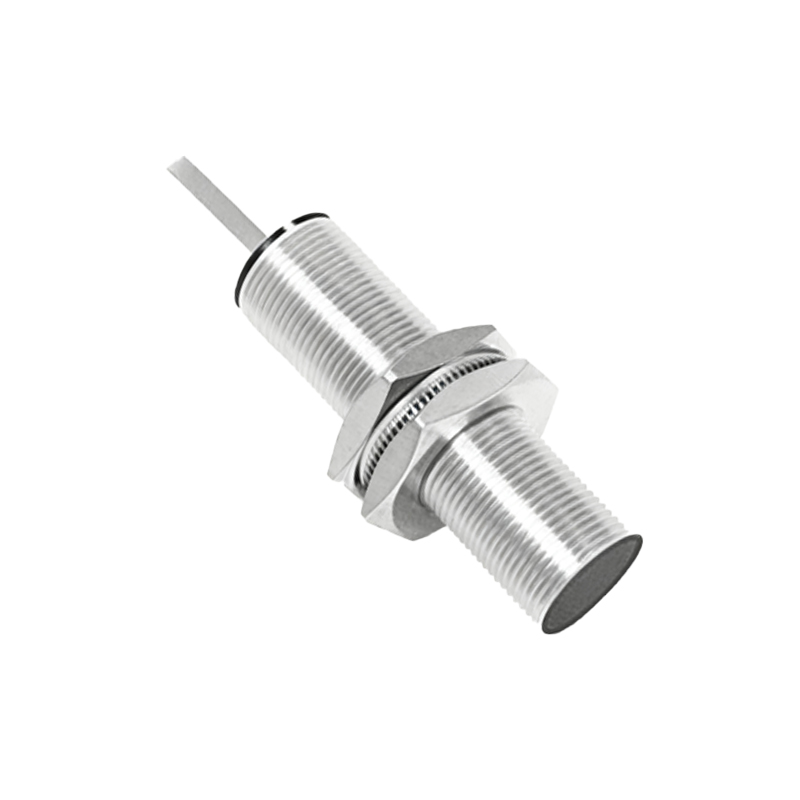
A defining characteristic of the TL-Q5M series is its exceptional environmental resilience. These sensors are commonly housed in stainless steel or nickel-plated brass bodies, providing excellent resistance to corrosion, impacts, and chemical exposure. They boast high Ingress Protection (IP) ratings, such as IP67 or IP69K, which signify complete protection against dust ingress and the ability to withstand immersion in water or high-pressure, high-temperature washdowns. This makes them indispensable in food and beverage processing, pharmaceutical manufacturing, and other industries requiring stringent hygiene standards. Furthermore, they are designed to withstand significant electromagnetic interference (EMI), ensuring stable operation near motors, welders, and other sources of electrical noise.
Installation Considerations and Wiring Practices
Proper installation is paramount for optimal performance. The TL-Q5M is typically a shielded (flush-mountable) type, meaning it can be installed flush with a metal mounting surface without affecting its sensing characteristics. Attention must be paid to the mounting geometry; maintaining adequate clearance between multiple sensors prevents mutual interference. Wiring should follow industry best practices: using shielded cables in electrically noisy environments, ensuring correct polarity for DC models, and implementing proper grounding. The connection is usually made via a pre-wired cable or a quick-disconnect connector, facilitating easy replacement and maintenance. It is also critical to consider the temperature range of the operating environment to ensure the sensor's specifications are not exceeded.
Application Scenarios and Selection Criteria
Selecting the correct TL-Q5M variant requires a thorough analysis of the application. Key selection criteria include the target material (steel, aluminum, brass, etc.), the required sensing distance, the output type (NPN sinking or PNP sourcing) to match the control system input, and the required switching frequency for high-speed applications. Common use cases include position verification of machine parts, end-of-travel detection on linear actuators, counting metallic items on a conveyor, and monitoring the presence of tools in a CNC machine carousel. For non-ferrous metals like aluminum or copper, the effective sensing distance is reduced, which must be factored into the design. Consulting the manufacturer's detailed datasheet for derating curves is essential for precise application engineering.
Troubleshooting and Maintenance Guidelines
While known for reliability, proximity sensors like the TL-Q5M can experience issues. Common troubleshooting steps involve verifying power supply voltage and polarity, checking for loose or damaged wiring connections, and ensuring the target object is within the specified sensing range and is of adequate size and material. Accumulation of metallic debris on the sensing face can also cause false triggering and requires regular cleaning. Diagnostic tools such as a multimeter to check output status or an LED indicator (often built into the sensor) are invaluable. Preventive maintenance involves periodic inspection of the sensor body for physical damage and verification of its operational consistency within the system's logic.
Advantages Over Alternative Sensing Technologies
Compared to other non-contact sensing methods like photoelectric or capacitive sensors, the inductive TL-Q5M offers distinct advantages. It is inherently immune to common environmental factors that plague optical sensors, such as dust, fog, dirt, and