Proximity sensors are fundamental components in modern automation, manufacturing, and consumer electronics, detecting the presence or absence of an object without physical contact. Understanding their testing principles is crucial for ensuring reliability, accuracy, and system integrity. This article delves into the core methodologies and considerations for validating the performance of various proximity sensor types.
The primary testing principle revolves around verifying the sensor's ability to detect a target object at its specified sensing distance under defined conditions. This involves checking both the operating point (the distance where the sensor switches its output state when the target approaches) and the release point (the distance where it reverts when the target moves away). The difference between these two points is the hysteresis, a critical parameter that prevents output oscillation when a target is at the detection boundary. Testing must confirm that this hysteresis is within the manufacturer's specifications.
A standardized test setup is paramount. It typically includes a calibrated positioning system, such as a linear stage or gauge, to move a standardized test target precisely toward and away from the sensor's active face. The target material, shape, and size must match the sensor's specifications. For instance, a inductive proximity sensor is tested with a square piece of mild steel of a defined thickness, while a capacitive sensor might require a different material like plastic or liquid. Environmental factors like ambient temperature and supply voltage are stabilized to reference values, as they significantly influence sensing performance.
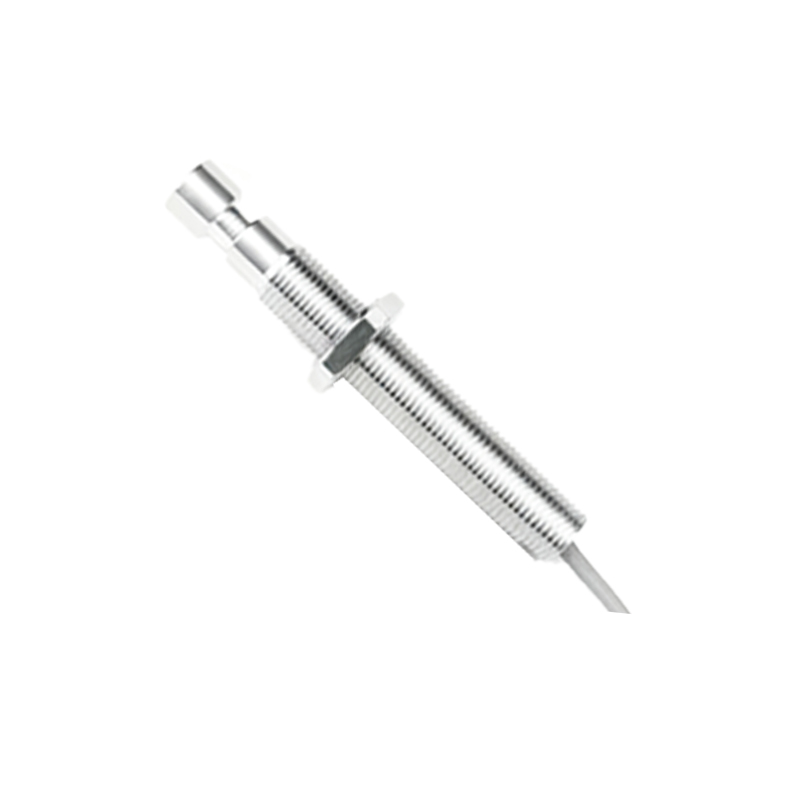
The core electrical output is monitored during target movement. For a digital (switching) sensor, an oscilloscope or data acquisition system records the voltage change at the output terminal. The distances at which the output signal transitions from "off" to "on" (operating point) and back to "off" (release point) are meticulously recorded. Multiple cycles are performed to ensure repeatability. Key calculated parameters include the rated operating distance, which is a nominal value, and the effective operating distance which accounts for manufacturing tolerances and environmental conditions. Testing ensures the actual operating distance falls within the effective range.
For analog output sensors, which provide a continuous signal (e.g., 4-20mA, 0-10V) proportional to the distance, testing involves mapping the output characteristic curve. The target is moved through the entire sensing range, and the output signal is measured at incremental distances. This verifies linearity, span, and any potential dead zones. Response time testing is another critical aspect, measuring the delay between the target entering the sensing field and the corresponding output change. This is vital for high-speed automation applications.
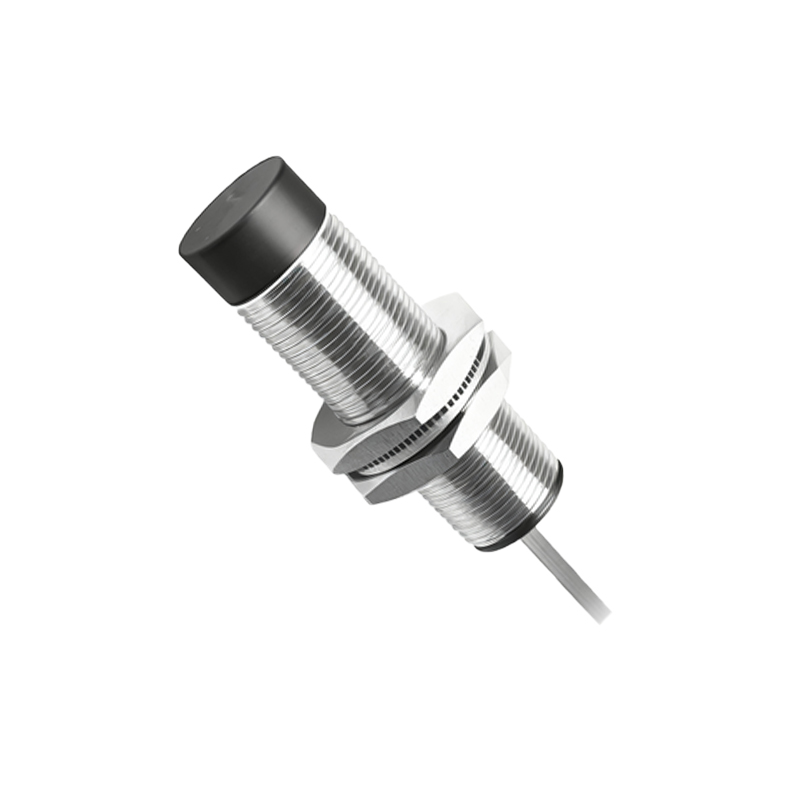
Beyond basic functionality, robustness tests are essential. This includes checking the sensor's immunity to external influences like electrical noise from adjacent motors or cables, the presence of non-target metals (for inductive sensors), temperature cycling, and vibration. Some tests evaluate the sensor's ability to withstand overvoltage, short-circuits, and reverse polarity. For advanced sensors with IO-Link or other digital communication, protocol compliance, data integrity, and parameter configuration via software are also verified.
In practice, testing can be performed at various stages: by the manufacturer for quality assurance, by integrators during machine commissioning, and as part of preventive maintenance. Simple field checks might involve using a target to verify basic switching, while laboratory-grade tests provide comprehensive parametric data. Ultimately, rigorous testing based on these principles ensures that proximity sensors perform their silent, contactless duty reliably, forming a trustworthy backbone for countless automated systems. Adherence to international standards, such as IEC 60947-5-2, provides a common framework for defining and testing these performance characteristics, ensuring interoperability and safety across applications.