Introduction to Proximity Switch Sensor Non-Breakage
In the realm of industrial automation, proximity switch sensors are indispensable components for non-contact detection of metallic or, in some cases, non-metallic objects. A critical performance parameter often discussed by engineers is the concept of "non-breakage" or uninterrupted operation. This refers to the sensor's ability to maintain consistent and reliable signal output without false triggers, signal drops, or physical failure over extended periods and under demanding conditions. Non-breakage is not merely a feature but a fundamental requirement for ensuring production line continuity, safety, and overall system efficiency. This article delves into the technical aspects that contribute to this robust, non-breaking performance.
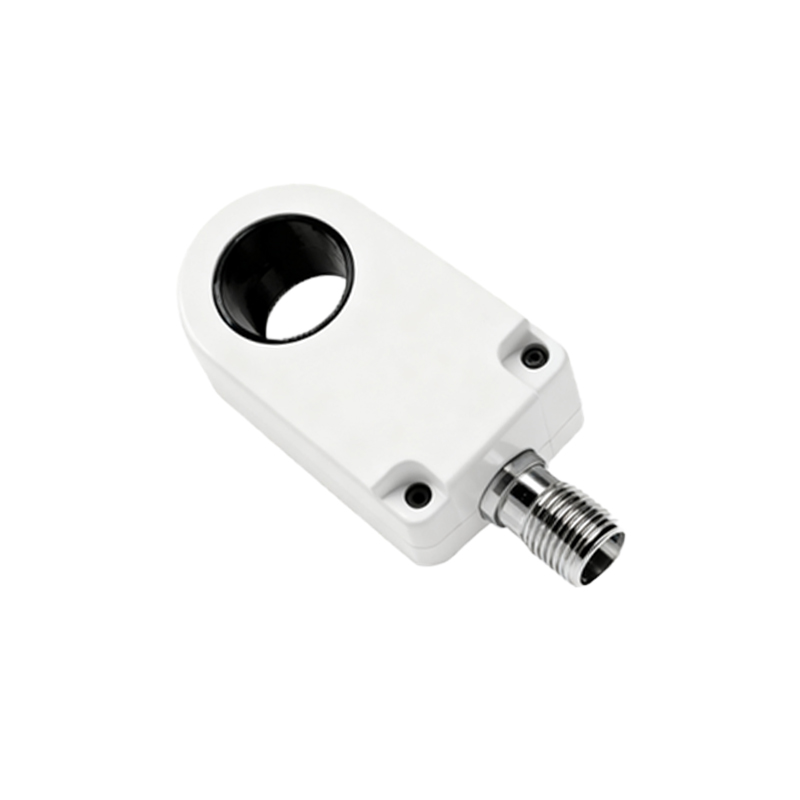
Core Principles Ensuring Uninterrupted Operation
The foundation of non-breakage lies in the sensor's inherent design and operating principle. Inductive proximity sensors, the most common type for metal detection, generate an electromagnetic field. When a target enters this field, eddy currents are induced, causing a change in the oscillation amplitude within the sensor's circuit. This change is detected and converted into a clean, digital output signal. High-quality sensors are engineered with stable oscillator circuits, precise Schmitt triggers, and robust ASICs (Application-Specific Integrated Circuits). These components are designed to have high noise immunity, rejecting electromagnetic interference (EMI) from motors, drives, and welding equipment, which is a primary cause of signal breakage or flickering. The physical construction, including potted electronics and high-grade housing materials (e.g., nickel-plated brass or stainless steel), protects the core from vibration, shock, and harsh environmental factors like coolant, oil, and metal chips.
Environmental and Electrical Factors Influencing Durability
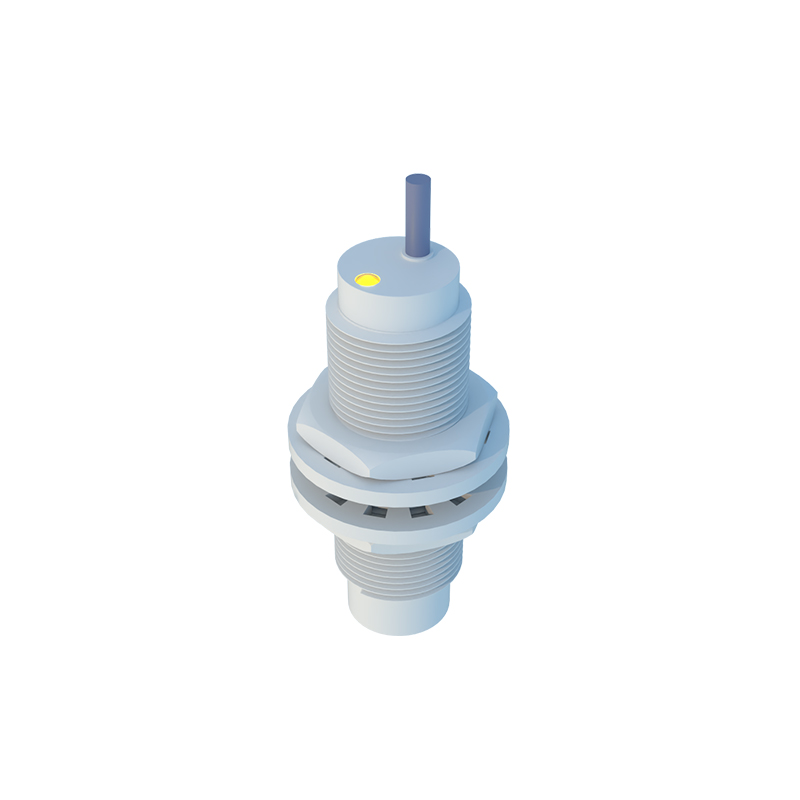
Achieving non-breakage is heavily dependent on the sensor's resilience to its operating environment. Key factors include temperature extremes, voltage fluctuations, and load characteristics. Premium proximity switches are built to operate within a wide temperature range (e.g., -25°C to 70°C) without drift in sensing distance or output failure. Electrical robustness involves protection against short-circuits, overloads, reverse polarity, and voltage spikes. Features like built-in surge protection and constant current output ensure the sensor is not damaged by common electrical disturbances on the factory floor. Furthermore, the choice between sinking (NPN) and sourcing (PNP) outputs, and their correct wiring to the PLC or controller, is crucial. Incorrect wiring or load mismatch can lead to premature failure or inconsistent operation, breaking the expected performance.
The Role of Sensing Distance and Installation Practices
A significant contributor to operational breakage is improper installation relative to the sensor's rated sensing distance. Every proximity sensor has a nominal sensing distance (Sn). For reliable, non-breaking operation, the actual installation distance should typically be 70-80% of Sn to account for target material, size, temperature effects, and supply voltage tolerances. Installing at the absolute limit of Sn increases susceptibility to false triggers from minor positional variances or buildup of contaminants on the face. Mechanical mounting must be secure to prevent movement due to vibration. Adequate clearance from surrounding metal (the "non-flush" mounting requirement for many cylindrical sensors) is also essential to prevent the sensing field from being influenced, which could cause the output to chatter or remain permanently activated.
Diagnostics and Maintenance for Sustained Performance
While modern proximity sensors are largely maintenance-free, proactive diagnostics are key to preventing unexpected breakage in operation. Many advanced sensors feature an LED status indicator that provides immediate visual feedback on power status, target detection, and error conditions (like short-circuit). Regular inspection routines should check for physical damage, accumulation of debris on the sensing face, and loose wiring connections. In networked systems, IO-Link enabled proximity sensors offer a higher level of diagnostic capability, allowing for remote monitoring of parameters like operating temperature, signal strength, and switch cycle counts. This predictive data enables maintenance before a failure occurs, truly upholding the principle of non-breakage by addressing issues proactively rather than reactively.
Conclusion: Selecting for Long-Term Reliability
Specifying a proximity switch sensor for non-breaking performance requires a holistic view. It involves selecting a sensor with appropriate environmental ratings (IP67/IP69K), electrical specifications matching the application, and a proven reputation for quality. Understanding the application's specific challenges—whether it's extreme washdown, heavy vibration, or dense electromagnetic noise—guides the selection of specialized models. Investing in sensors from reputable manufacturers that use high-grade components and rigorous testing protocols ultimately reduces downtime and ensures the uninterrupted, reliable operation that modern automated systems demand. Non-breakage is the result of thoughtful engineering, correct application, and informed selection.