Introduction to Ultra-Low Power Proximity Sensors
In the evolving landscape of industrial automation, the demand for energy-efficient components has never been higher. Ultra-low power proximity switch sensors represent a significant technological advancement, designed to minimize energy consumption while maintaining high performance. These sensors operate on minimal electrical power, often in the microwatt range, making them ideal for battery-operated or energy-sensitive applications. By integrating advanced semiconductor materials and innovative circuit designs, they achieve remarkable sensitivity and response times without the high power draw associated with traditional inductive or capacitive sensors. This leap in efficiency not only reduces operational costs but also supports sustainable manufacturing practices, aligning with global initiatives for greener industrial processes.
Core Technologies and Working Principles
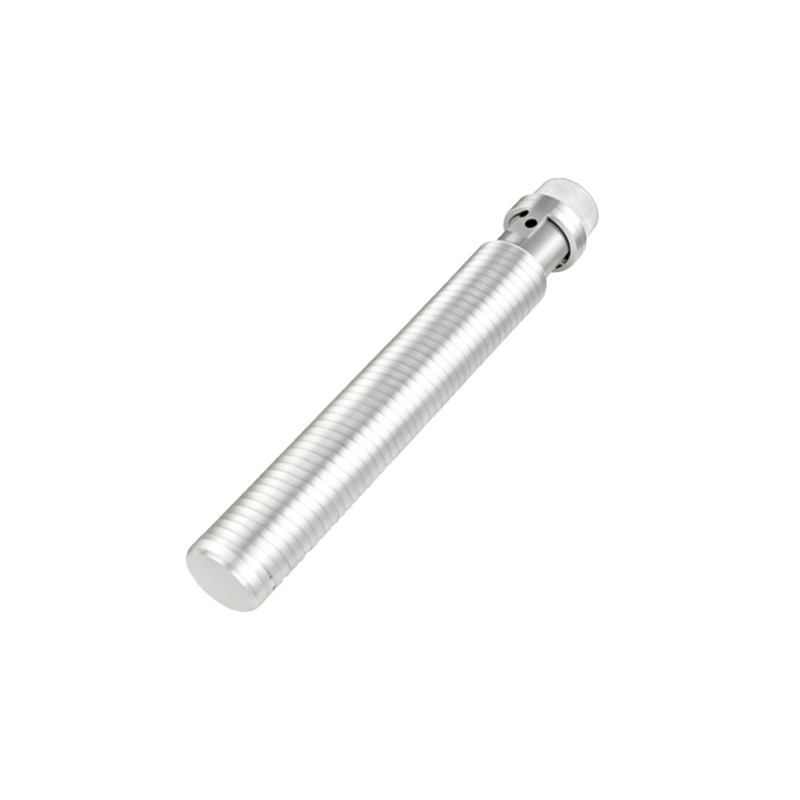
The foundation of ultra-low power proximity sensors lies in their sophisticated engineering. Typically based on infrared (IR), ultrasonic, or magnetic field detection, these sensors utilize low-power microcontrollers and energy-harvesting techniques to extend their operational lifespan. For instance, IR-based sensors emit a beam of light and detect its reflection from an object, with power-saving modes that activate only during detection cycles. Magnetic sensors, employing Hall-effect or magnetoresistive elements, consume negligible power by leveraging changes in magnetic fields to trigger switches. Advanced algorithms enable duty cycling, where the sensor sleeps most of the time and wakes periodically to check for targets, drastically cutting energy use. This intelligent management ensures reliable object detection within ranges from a few millimeters to several centimeters, depending on the application.
Applications in Modern Industries
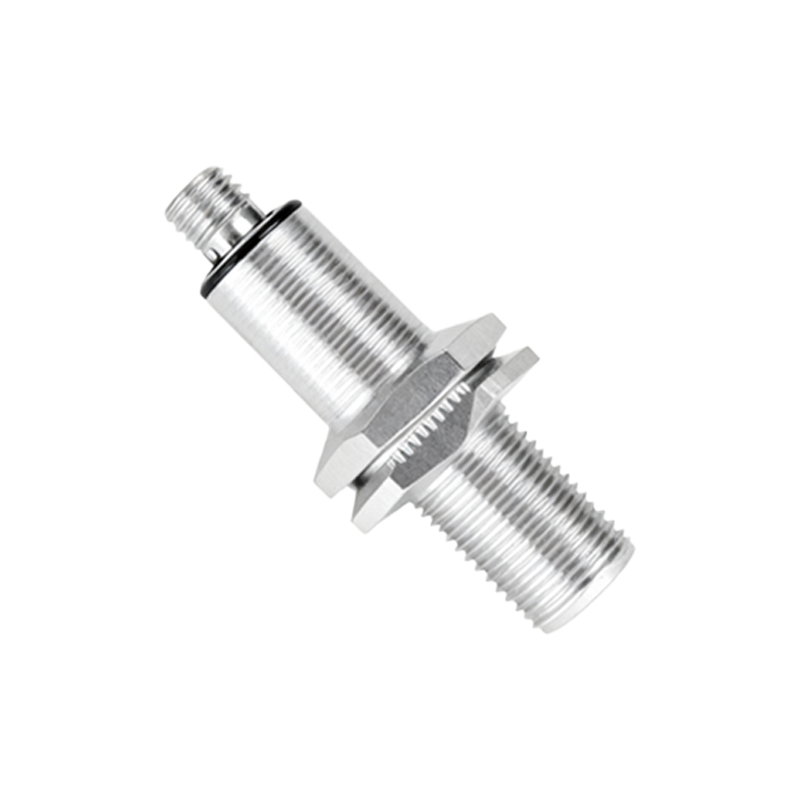
Ultra-low power proximity sensors are transforming diverse sectors by enabling smarter, more efficient systems. In consumer electronics, they are integral to smartphones and wearables for touchless controls and battery conservation. Industrial automation benefits from their use in conveyor systems, robotic arms, and safety interlocks, where continuous operation without frequent battery replacements is crucial. The Internet of Things (IoT) ecosystem relies heavily on these sensors for smart home devices, environmental monitoring, and asset tracking, as their low power draw allows for years of autonomous operation. Additionally, in automotive and aerospace industries, they enhance fuel efficiency and reduce maintenance needs by monitoring components with minimal energy overhead. Their versatility makes them a cornerstone of next-generation automation solutions.
Advantages Over Conventional Sensors
Compared to standard proximity sensors, ultra-low power variants offer distinct benefits that drive their adoption. Energy efficiency is the most prominent, with power consumption reduced by up to 90%, leading to lower electricity bills and extended battery life in portable devices. This efficiency does not compromise performance; many models provide faster response times and higher accuracy due to noise-reduction technologies. Their compact size and lightweight design facilitate easy integration into existing systems without major retrofits. Moreover, they contribute to reduced heat generation and electromagnetic interference, enhancing overall system reliability. From an environmental perspective, the decreased energy usage lowers carbon footprints, supporting corporate sustainability goals. These advantages make them a cost-effective and future-proof choice for industries aiming to optimize operations.
Challenges and Future Developments
Despite their promise, ultra-low power proximity sensors face challenges that spur ongoing innovation. Sensitivity trade-offs can occur at extremely low power levels, potentially affecting detection range and stability in harsh environments like high temperatures or vibrations. Manufacturers are addressing this through robust housing materials and adaptive calibration software. Future trends point toward the integration of artificial intelligence (AI) for predictive maintenance and self-adjusting thresholds, further optimizing power use. Energy-harvesting methods, such as solar or kinetic power, are being explored to create completely autonomous sensors. As wireless communication standards like 5G and LoRaWAN evolve, these sensors will play a key role in large-scale smart grids and Industry 4.0 networks, pushing the boundaries of what's possible in automation.
Conclusion and Industry Outlook
Ultra-low power proximity switch sensors are pivotal in advancing industrial automation toward greater efficiency and sustainability. By combining cutting-edge technology with practical applications, they offer a solution to rising energy demands and environmental concerns. As research continues to enhance their capabilities, we can expect wider adoption across sectors, from manufacturing to healthcare. Industry leaders should consider integrating these sensors into their systems to stay competitive and reduce operational impacts. Ultimately, the shift to ultra-low power devices is not just a technical improvement but a strategic move toward a smarter, more connected world.