Introduction to Audible Feedback in Sensing Systems
In modern industrial automation, photoelectric sensors are indispensable for detecting the presence, absence, or position of objects without physical contact. These sensors operate by emitting a light beam—typically infrared, visible red, or laser—and analyzing the reflected or interrupted signal. While their primary output is an electrical signal (e.g., NPN/PNP switching or analog voltage), integrating an audible feedback mechanism, such as a buzzer, significantly enhances operational efficiency and troubleshooting. This addition transforms silent detection into an immediate, perceptible alert, allowing operators to respond swiftly to process changes or faults, thereby reducing downtime and improving safety in fast-paced environments like packaging, material handling, and assembly lines.
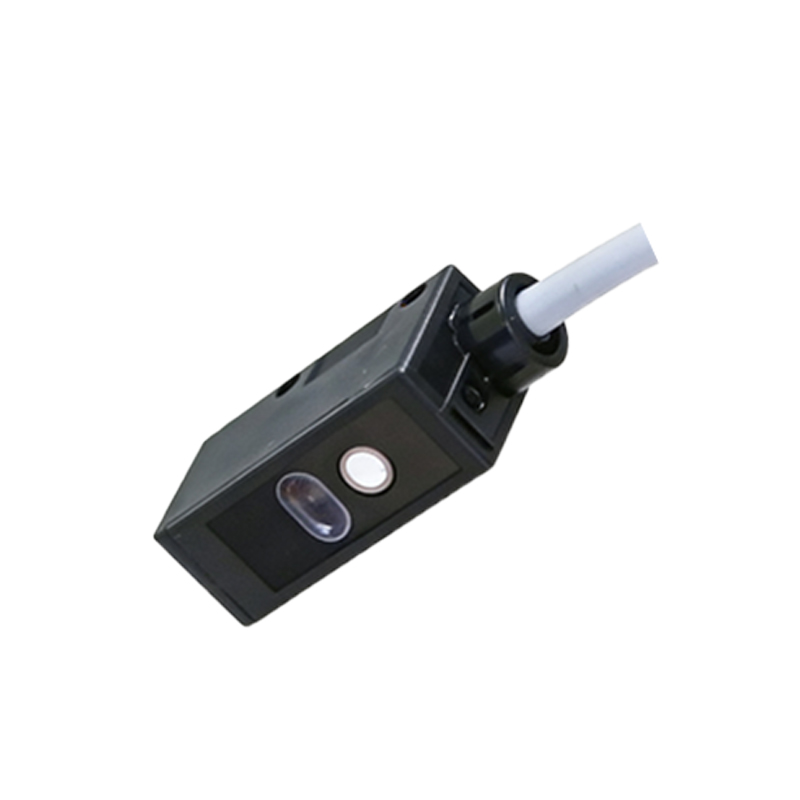
Key Benefits of Adding a Buzzer to Photoelectric Sensors
The integration of a buzzer with a photoelectric sensor offers several practical advantages. First, it provides real-time audible confirmation of detection events, which is crucial in noisy or visually congested areas where indicator lights might be missed. For instance, in conveyor systems, a buzzer can sound when an object is correctly positioned or when a jam occurs, enabling instant manual intervention. Second, it aids in rapid setup and calibration during installation; technicians can rely on sound patterns to adjust sensing ranges or align beams without constantly monitoring a control panel. Third, in preventive maintenance, a buzzer can signal degradation—like lens contamination or weakening emitter output—before a complete failure, helping avoid costly production halts. Overall, this enhancement bridges the gap between machine output and human perception, fostering a more intuitive workflow.
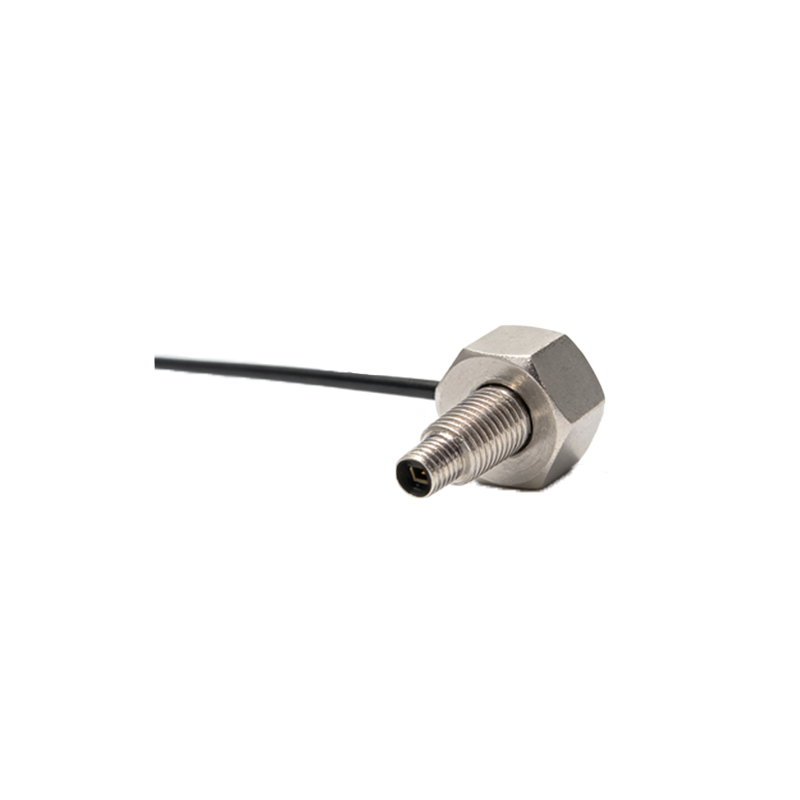
Technical Considerations for Buzzer Integration
Successfully adding a buzzer requires careful attention to electrical and mechanical compatibility. Most industrial photoelectric sensors provide auxiliary output terminals or configurable switching outputs that can drive a low-power buzzer directly. Typically, a piezo buzzer (5-24V DC) is preferred due to its durability, low current consumption, and clear sound output. Engineers must verify the sensor’s output current rating to ensure it can handle the buzzer’s load without overheating or damaging the circuit. For sensors with limited drive capacity, a simple transistor amplifier or relay module can be added. Additionally, environmental factors matter: in harsh settings with high moisture or dust, selecting a buzzer with an appropriate IP rating (e.g., IP67) ensures longevity. Wiring should follow EMI shielding practices to prevent false triggering from electrical noise, common in industrial plants.
Step-by-Step Implementation Guide
Implementing a buzzer involves a systematic approach. Begin by selecting a compatible buzzer based on the sensor’s voltage supply (commonly 12V or 24V DC) and desired sound level (70-90 dB is typical for factory floors). Next, identify the sensor’s output configuration: if it has a dedicated alarm output or a programmable switch, connect the buzzer’s positive lead to this output and the negative lead to the common ground. For sensors without spare outputs, tap into the main switching signal using a splitter, ensuring the load does not exceed specifications. After physical mounting—often via adhesive or a bracket near the sensor—test the system by triggering the sensor with a target object. Adjust the buzzer’s sound pattern (continuous, beep, or pulsed) if it has built-in controllers, or add an external timer circuit for customized alerts. Always document the setup in maintenance logs for future reference.
Common Applications and Use Cases
Buzzer-enhanced photoelectric sensors find utility across diverse industries. In automotive manufacturing, they audibly confirm part placement on robotic arms, preventing misalignment in welding stations. In food and beverage packaging, sensors with buzzers signal when containers are improperly filled or capped, allowing immediate correction on high-speed lines. Logistics warehouses use them to indicate successful barcode scanning or sortation gate activation, improving throughput accuracy. Laboratories employ such setups for sample handling systems, where audible cues reduce reliance on visual monitors. Moreover, in safety-critical applications like machine guarding, a buzzer can warn of unauthorized access before a safety light curtain is breached, adding an extra layer of protection. These examples underscore how audible feedback complements visual and data outputs for holistic process control.
Troubleshooting and Maintenance Tips
To ensure reliable operation, regular checks are essential. If the buzzer fails to sound, first verify power supply and connections with a multimeter, as loose wires are a frequent culprit. Check the sensor’s output status via its indicator LED to confirm it is triggering correctly; if not, clean the lens or realign the beam. Environmental interference, such as ambient light or vibrations, can cause false alarms—consider using sensors with modulated light or installing protective shrouds. For buzzers that become faint, inspect for physical damage or contamination, and replace them if necessary. Additionally, calibrate the system periodically by testing with standard objects to maintain detection consistency. Keeping spare buzzers and sensor modules on hand minimizes downtime during failures, while training staff on basic diagnostics empowers quick on-site resolutions.
Future Trends and Innovations
The evolution of photoelectric sensors with integrated audible feedback is leaning toward smarter, more connected systems. Emerging models now feature built-in buzzers with programmable tones and volumes, controllable via IO-Link or Ethernet/IP interfaces for remote adjustment. IoT-enabled sensors can send audio alerts to mobile devices alongside traditional signals, enabling off-site monitoring. Advances in energy harvesting may allow buzzers to operate wirelessly, reducing wiring complexity. Furthermore, AI-driven predictive maintenance algorithms are being developed to analyze sound patterns from buzzers, detecting anomalies like irregular beeping that indicate sensor wear. As Industry 4.0 progresses, the fusion of acoustic feedback with data analytics will make photoelectric sensors even more integral to autonomous, responsive manufacturing ecosystems, where human-machine interaction is seamless and intuitive.