Introduction to Glass Proximity Sensors
Glass proximity sensors are critical components in modern automation and safety systems, utilizing infrared or capacitive technology to detect the presence of objects without physical contact. Their primary application lies in industrial machinery, consumer electronics, and automotive systems where reliability and precision are paramount. The construction involves specialized glass that protects the sensitive internal optical or electronic elements from environmental factors like dust, moisture, and chemical exposure. For electrical engineers, understanding the nuances of these sensors, including their specifications and cost drivers, is essential for effective system design and procurement. The market for these components is influenced by a complex interplay of technological advancements, raw material costs, and global supply chain dynamics.
Key Factors Influencing Sensor Pricing
The price of a glass proximity sensor is not a fixed value but a variable determined by several technical and economic factors. Firstly, the type of sensing technology—infrared (IR), capacitive, or ultrasonic—significantly impacts cost. IR sensors, common for short-range detection, often have a lower entry price than highly precise capacitive models. Secondly, performance specifications such as sensing range, response time, repeatability, and environmental ratings (IP67, NEMA ratings) directly correlate with price. A sensor rated for extreme temperatures or corrosive environments commands a premium. Thirdly, the quality and type of glass used, such as chemically strengthened or borosilicate glass, affects both durability and cost. Finally, order volume is a classic economic driver; bulk purchases from manufacturers typically secure substantial discounts compared to single-unit distributor prices.
Current Global Market Price Ranges
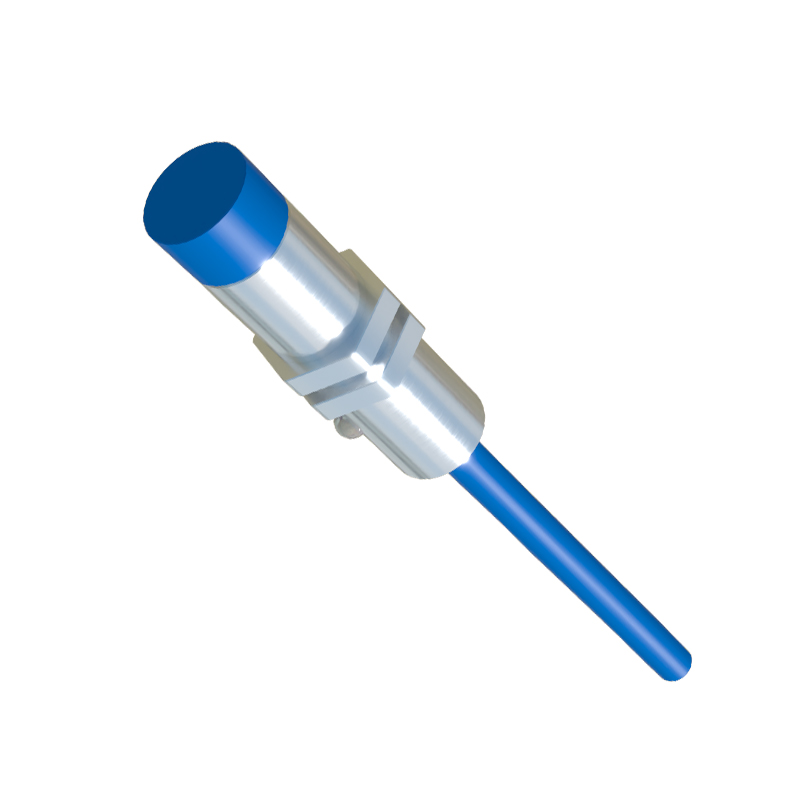
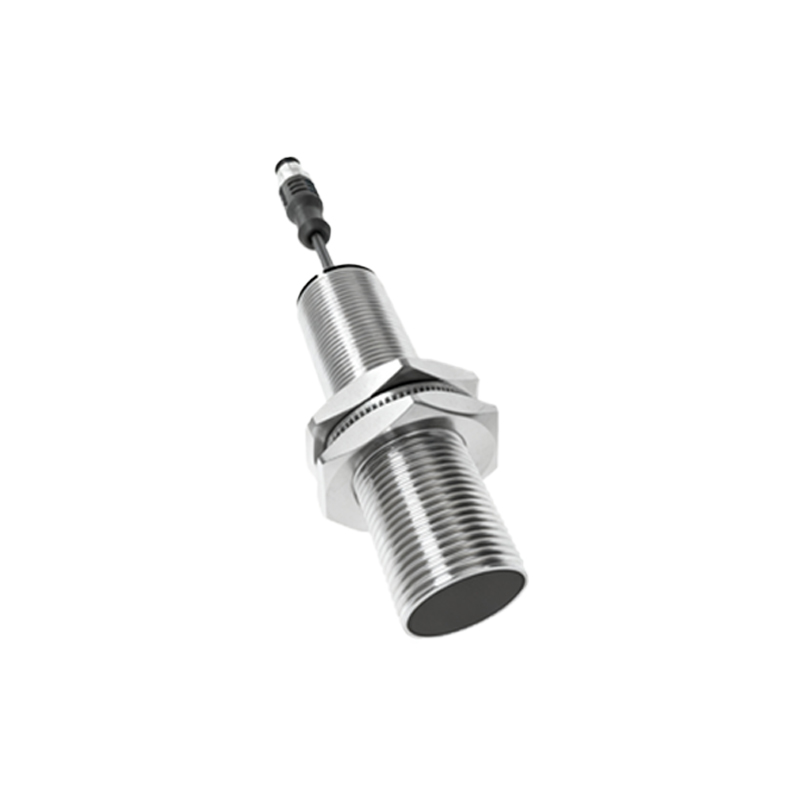
As of the latest industry analyses, the global price range for standard industrial-grade glass proximity sensors is broad, reflecting their diversity. Basic, short-range diffuse reflective IR sensors can start as low as $15 to $30 per unit in low-volume OEM purchases. Mid-range models with adjustable sensing distances, better noise immunity, and standard industrial housing (e.g., M12 or M18 threaded barrels) typically fall between $50 and $120. High-performance variants, featuring analog outputs (4-20mA, 0-10V), extended sensing ranges beyond one meter, specialized glass for harsh environments, or certifications for specific industries (automotive, food & beverage), can range from $150 to over $400 per unit. It is crucial to note that prices from major suppliers in North America and Europe tend to be 15-25% higher than those sourced directly from manufacturers in Asia, though this may involve trade-offs in lead time and logistical complexity.
Analysis of Raw Material and Manufacturing Costs
A deep dive into the cost structure reveals that raw materials constitute a significant portion of the final price. The specialized optical glass or coated glass elements are primary cost drivers, subject to fluctuations in silica and specialty chemical markets. The semiconductor components, including the IR LED, phototransistor, or capacitive sensing IC, are another major factor, linked to the global semiconductor supply chain's health. Labor and precision manufacturing costs, especially for sensors requiring hermetic sealing or custom optical alignment, add considerable value. Recent trends show upward pressure from increased energy costs and rising wages in traditional manufacturing hubs. Additionally, compliance with environmental regulations (RoHS, REACH) and quality standards (ISO 9001) adds to manufacturing overhead, indirectly affecting market prices.
Impact of Supply Chain and Geopolitical Factors
The glass proximity sensor market remains susceptible to global supply chain disruptions. The reliance on semiconductor chips has made the industry vulnerable to the ongoing chip shortages, causing lead times to extend from weeks to several months and spot prices to inflate. Geopolitical tensions and trade policies, such as tariffs on electronic components between major economies, have introduced additional cost layers and sourcing uncertainties. Furthermore, logistics bottlenecks, especially in international shipping, have increased the landed cost of sensors. Companies are responding by diversifying their supplier base, increasing inventory buffers (which carries its own cost), and sometimes redesigning products to use more readily available components, all of which influence the overall pricing landscape.
Future Price Trends and Procurement Strategies
Looking ahead, several trends are poised to shape future pricing. Technological miniaturization and integration may reduce costs for standard sensors over the long term, while advanced smart sensors with IO-Link or embedded diagnostics may maintain higher price points. The push for Industry 4.0 and IIoT will sustain demand, potentially stabilizing prices. However, persistent inflation and volatile energy markets suggest moderate price increases will continue in the short to medium term. For procurement, engineers are advised to adopt strategic approaches: establishing long-term agreements with trusted suppliers to lock in prices, considering alternative but qualified sensor models for non-critical applications, and performing thorough total cost of ownership (TCO) analyses that factor in reliability,