In the realm of industrial automation, consumer electronics, and safety systems, proximity sensors play a pivotal role. Understanding their specifications is crucial for selecting the right sensor for any application. This guide delves into the key parameters that define a proximity sensor's performance and capabilities.
The sensing range, often called the nominal range (Sn), is arguably the most fundamental specification. It indicates the standard distance at which the sensor can reliably detect a standard target. This is not an absolute maximum; factors like target material, size, and environmental conditions can affect the actual usable range. Specifications will typically list both the nominal sensing distance and possible reductions for non-standard conditions.
The type of output is another critical decision point. Proximity sensors primarily offer digital (discrete) outputs, either as a Normally Open (NO) or Normally Closed (NC) switch signal. The output form can be a two-wire AC/DC sensor, a three-wire DC sensor (PNP or NPN sourcing/sinking), or a four-wire DC sensor offering both NO and NC contacts. Analog output sensors, which provide a voltage or current signal proportional to the distance to the target, are used for precise positioning applications. IO-Link sensors represent the modern standard, providing digital communication for detailed parameterization and diagnostics.
Hysteresis is a vital specification for stable operation. It is the difference between the switch-on point (when the target approaches) and the switch-off point (when the target recedes). This built-in differential prevents rapid, chattering output switching if the target hovers right at the sensing edge, ensuring clean signal transitions.
Repeatability defines the sensor's precision. It is the ability of the sensor to consistently detect the same target at the same distance under identical conditions. A high repeatability value (e.g., ±0.02mm) is essential for high-precision assembly or measurement tasks.
The response time or switching frequency specifies how quickly the sensor can react. It is usually given as a maximum number of on/off cycles per second (Hz). A fast response time is mandatory for high-speed counting or sorting applications to avoid missing objects.
Environmental ratings are non-negotiable for reliability. The Ingress Protection (IP) rating (e.g., IP67, IP69K) defines the level of protection against dust and water. Operating temperature range specifies the ambient conditions the sensor can withstand. For harsh environments, specifications for resistance to chemicals, oils, or welding spatter are essential.
Electrical characteristics must match the control system. These include the operating voltage range (e.g., 10-30V DC), current consumption, and the maximum load current the output switch can handle (switching capacity). Short-circuit and reverse polarity protection are highly desirable features for safeguarding both the sensor and the circuitry.
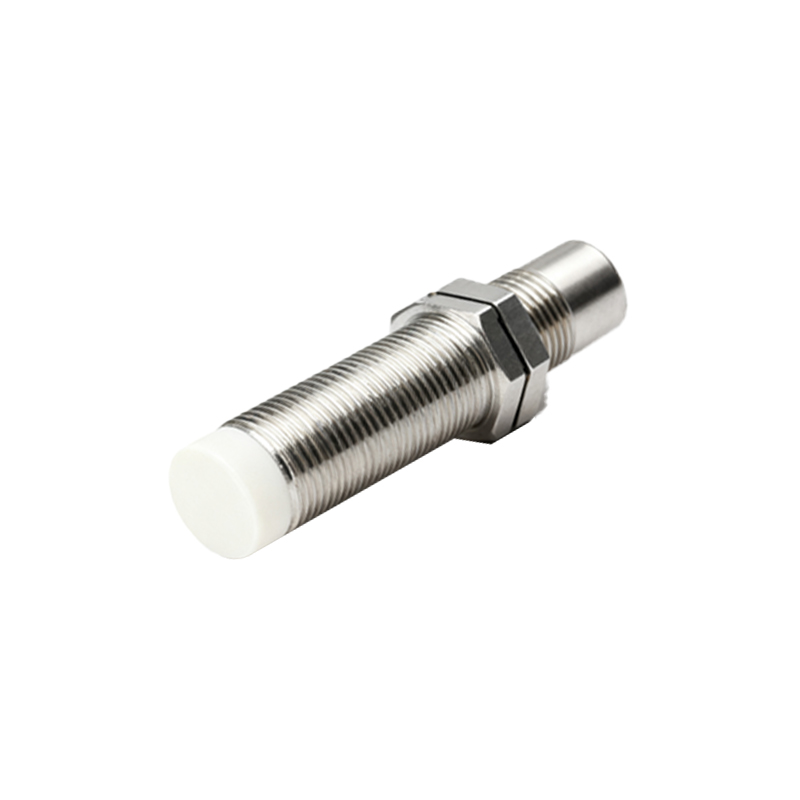
Finally, the housing material (often stainless steel, brass, or PBT plastic), size, and connection type (cable or connector) are physical specifications that determine the sensor's suitability for mechanical integration and the specific installation environment.
By meticulously evaluating these specifications—sensing range, output type, hysteresis, repeatability, response time, environmental ratings, electrical data, and physical build—engineers and technicians can make an informed choice. The correct proximity sensor ensures system reliability, longevity, and optimal performance, forming a robust link in any automated process.