Introduction to High Magnetic Immunity Proximity Sensors
In industrial automation and harsh operating environments, the presence of strong stray magnetic fields is a common and significant challenge. These fields, often generated by heavy machinery, motors, or welding equipment, can severely interfere with the operation of standard inductive proximity sensors, causing false triggering, reduced sensing distances, or complete operational failure. High magnetic immunity proximity sensors are specifically engineered to overcome this challenge. They are designed to reliably detect the presence or absence of a target object while maintaining stable performance even when subjected to intense external magnetic fields. This capability is critical for ensuring process reliability, safety, and uptime in sectors such as metal processing, automotive manufacturing, and renewable energy, where electromagnetic interference is prevalent.
Core Technology and Operating Principle
The fundamental operating principle of an inductive proximity sensor involves generating an oscillating electromagnetic field from a coil within the sensor head. When a metallic target enters this field, eddy currents are induced in the target, which dampens the oscillation. The sensor's electronics detect this damping and trigger a switching signal. Standard sensors are susceptible because external magnetic fields can induce currents in the sensor's coil or shielding, mimicking or masking the target's effect. High immunity sensors employ several advanced techniques. These include specialized coil winding patterns that cancel out external field influences, the use of high-permeability magnetic shielding materials (like mu-metal) to protect internal components, and sophisticated ASIC (Application-Specific Integrated Circuit) designs with advanced filtering algorithms. These circuits can distinguish between the signature of a genuine target and the noise pattern caused by an external DC or AC magnetic field.
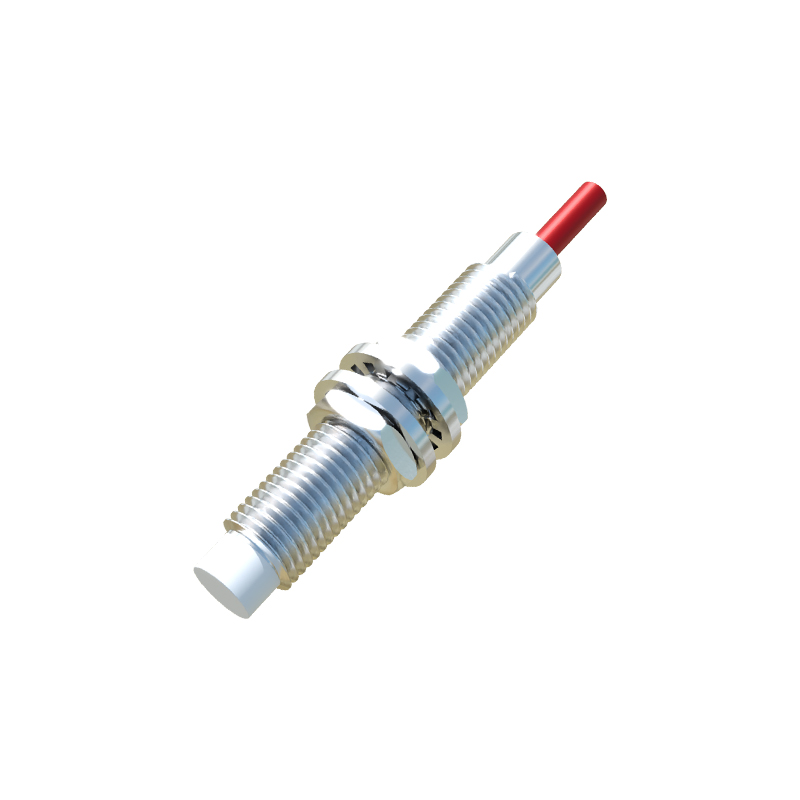
Primary Types and Their Characteristics
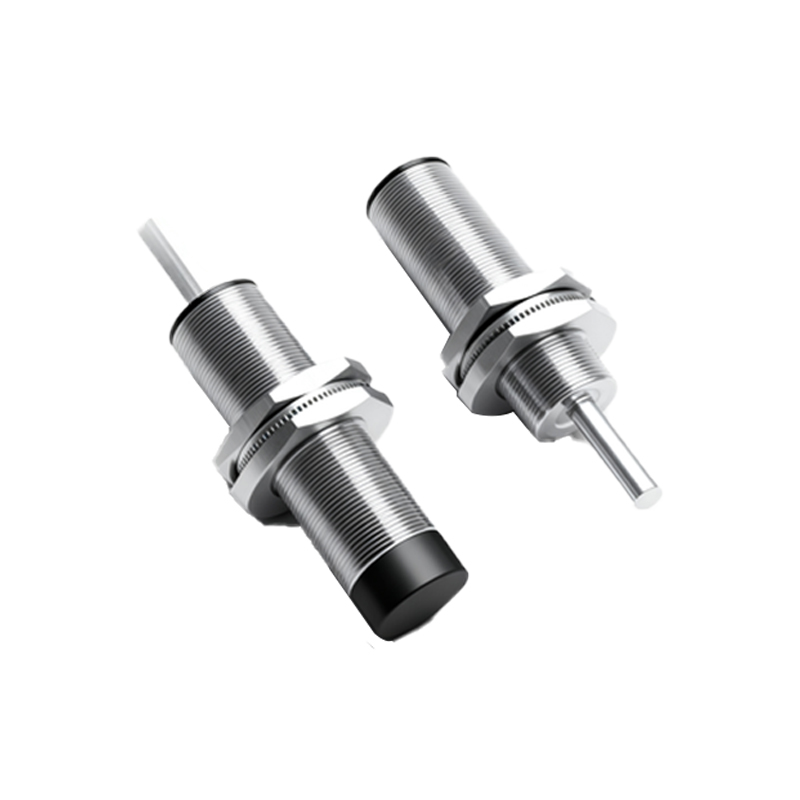
High magnetic immunity proximity sensors are not a monolithic category; they are differentiated by their specific immunity performance, output types, and physical designs. The key types include DC Magnetic Field Immune Sensors, AC Magnetic Field Immune Sensors, and All-Round High-Immunity Sensors. DC immune sensors are calibrated to withstand strong static magnetic fields, commonly found near permanent magnets or DC motors. AC immune sensors are designed to reject interference from alternating magnetic fields, typical around AC power lines, transformers, and induction heaters. The most robust category offers high immunity to both DC and AC fields, often rated to withstand fields exceeding 100 mT (millitesla). Furthermore, they come in standard form factors (e.g., cylindrical M8, M12, M18, M30) and rectangular styles, with various housing materials like nickel-plated brass or stainless steel (V2A, V4A) for additional corrosion resistance in demanding environments.
Key Performance Specifications
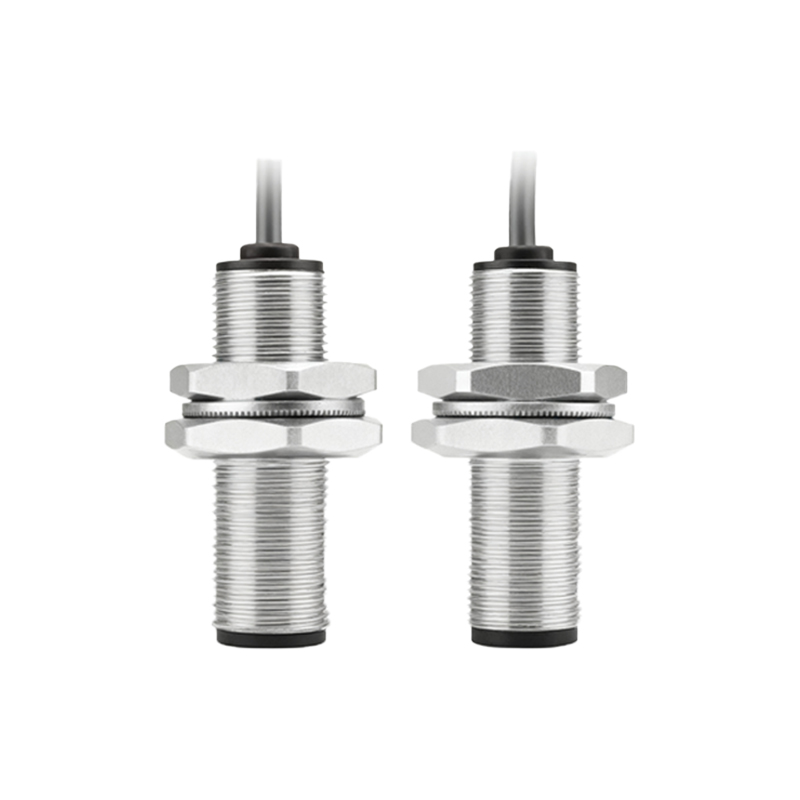
When selecting a high magnetic immunity sensor, several critical specifications must be evaluated beyond standard sensing range and output type. The paramount specification is the magnetic field immunity rating, typically expressed in millitesla (mT) for both DC and AC fields. Leading sensors offer immunity levels of 80 mT, 100 mT, or even higher. The operating frequency or switching frequency indicates how fast the sensor can respond to targets, which is vital for high-speed automation. Temperature range is another crucial factor, as performance must be stable in both high-temperature areas near furnaces and low-temperature outdoor applications. Additionally, protection ratings like IP67, IP68, and IP69K define the sensor's resilience against dust and water ingress, ensuring longevity in washdown or outdoor settings. Electrical connection options include pre-wired cables, quick-disconnect (M12) connectors, and various output configurations (PNP/NPN, NO/NC).
Major Application Areas
The application of these robust sensors spans industries where electromagnetic interference is unavoidable. In the automotive industry, they are indispensable in welding robots and spot welding guns, where intense magnetic fields from welding currents would disrupt standard sensors. Metal forming and stamping presses utilize these sensors for precise position detection of metal sheets and tools. In the renewable energy sector, they are used in the manufacturing and operation of wind turbines, particularly near the generators which produce strong magnetic fields. Material handling with magnetic separators or lifts, steel mills with continuous casting lines, and any machinery incorporating large motors or drives are prime application areas. Their use ensures that automation sequences proceed without false stops, enhancing overall equipment effectiveness (OEE).
Selection and Installation Guidelines
Proper selection and installation are key to realizing the full benefits of a high magnetic immunity sensor. The first step is to characterize the interfering field: determine if it is primarily DC or AC, and estimate its strength if possible. Choose a sensor with an immunity rating significantly higher than the expected field strength. Consider the target material, size, and required sensing distance, as immunity features can sometimes slightly reduce the nominal sensing range compared to a standard sensor. During installation, follow the manufacturer's guidelines