Understanding the Threat of Counterfeit Proximity Sensors
Counterfeit proximity sensors have become a pervasive issue in the industrial automation sector. These imitation products often mimic the appearance of genuine sensors from reputable brands but fail to meet essential performance, safety, and reliability standards. The proliferation of such devices poses significant risks to operational efficiency, worker safety, and overall system integrity. Typically manufactured with substandard materials and lacking rigorous quality control, counterfeit sensors can exhibit erratic behavior, reduced detection ranges, shorter lifespans, and even catastrophic failures under demanding industrial conditions. Identifying these fakes requires a keen eye for detail and an understanding of the subtle differences in packaging, labeling, and build quality compared to authentic components.
Immediate Steps to Take When Suspecting Counterfeit Sensors
Upon discovering a suspected counterfeit proximity sensor in your facility, immediate action is crucial to mitigate potential hazards. First, isolate the suspect device from the operational system to prevent any disruption or safety incident. Document the sensor's model number, serial number, and purchase source thoroughly. Contact the authorized manufacturer or distributor to verify the product's authenticity using the provided identifiers. Many reputable companies have dedicated anti-counterfeiting teams and online verification tools to assist customers. Concurrently, inspect the entire batch or inventory from the same supplier for similar irregularities. Reporting the incident to the original equipment manufacturer not only aids in resolution but also contributes to broader industry efforts to combat counterfeit networks.
Technical Verification and Testing Procedures
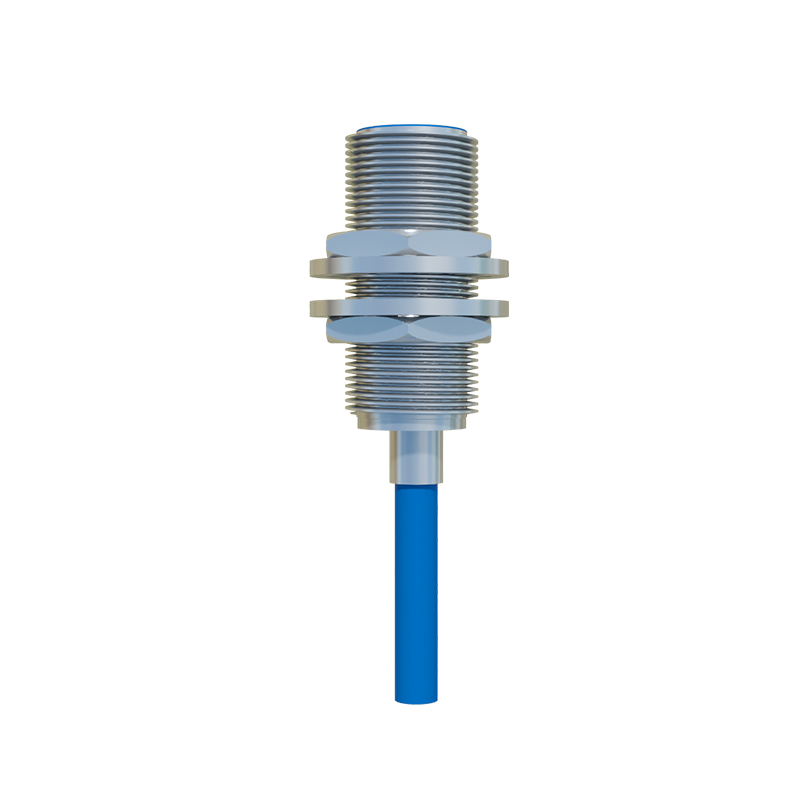
Technical verification is a definitive method to confirm the legitimacy of a proximity sensor. Begin with a visual inspection of the housing, connectors, and labeling. Genuine sensors usually feature precise molding, consistent logos, and legible, durable markings. Counterfeits may show rough edges, inconsistent coloring, or blurred text. Electrically, perform basic functional tests using calibrated equipment. Check the sensor's output signal stability, response time, and switching frequency against the manufacturer's datasheet specifications. Authentic sensors maintain tight tolerances, while counterfeits often deviate significantly. For inductive sensors, measure the sensing range with standard target materials; a reduced or inconsistent range is a common red flag. Environmental stress tests, such as brief exposure to temperature extremes or vibration, can further reveal weaknesses in counterfeit components not designed for industrial rigor.
Mitigating Operational Risks and Implementing Safeguards
The presence of counterfeit sensors can compromise entire automation lines, leading to unplanned downtime, product quality issues, or safety violations. To mitigate these risks, conduct a comprehensive audit of all critical sensor points in your system. Replace any confirmed counterfeit units with certified genuine parts from authorized suppliers immediately. Review and strengthen your procurement policies: insist on purchasing directly from manufacturers or their approved distributors, and avoid unusually low-priced offers that often signal counterfeit goods. Implement a component tracking system using barcodes or RFID tags to maintain a clear lineage from purchase to deployment. Training maintenance and procurement staff to recognize counterfeit indicators is equally vital, fostering a culture of vigilance and quality assurance across the organization.
Long-Term Strategies for Supply Chain Security
Securing the supply chain against counterfeit infiltration requires a proactive, multi-layered approach. Establish long-term partnerships with trusted suppliers who provide transparent sourcing and compliance certificates. Regularly audit supplier qualifications and demand adherence to anti-counterfeiting protocols. Consider integrating advanced authentication technologies, such as holographic labels, encrypted digital signatures, or blockchain-based tracking, into your sensor procurement process. Participate in industry forums and alliances focused on combating counterfeit industrial components, sharing intelligence and best practices. Additionally, maintain updated inventories and lifecycle management plans to ensure timely replacement of aging sensors with verified components, reducing the temptation to seek cheaper, unverified alternatives during urgent maintenance.
Legal and Industry Compliance Considerations
Addressing counterfeit proximity sensors extends beyond technical measures to encompass legal and regulatory responsibilities. Using counterfeit components may void equipment warranties and violate safety certifications, exposing the company to liability in case of accidents. Report counterfeit findings to relevant industry bodies and governmental authorities, such as consumer protection or standards agencies, to initiate investigations. In some regions, distributing counterfeit industrial goods carries severe legal penalties. Ensure that your compliance programs explicitly prohibit the use of non-genuine parts in safety-critical applications. By adhering to international standards and fostering ethical procurement practices, companies not only protect their operations but also support the integrity of the global industrial marketplace.