What Are Inductive Proximity Sensors?
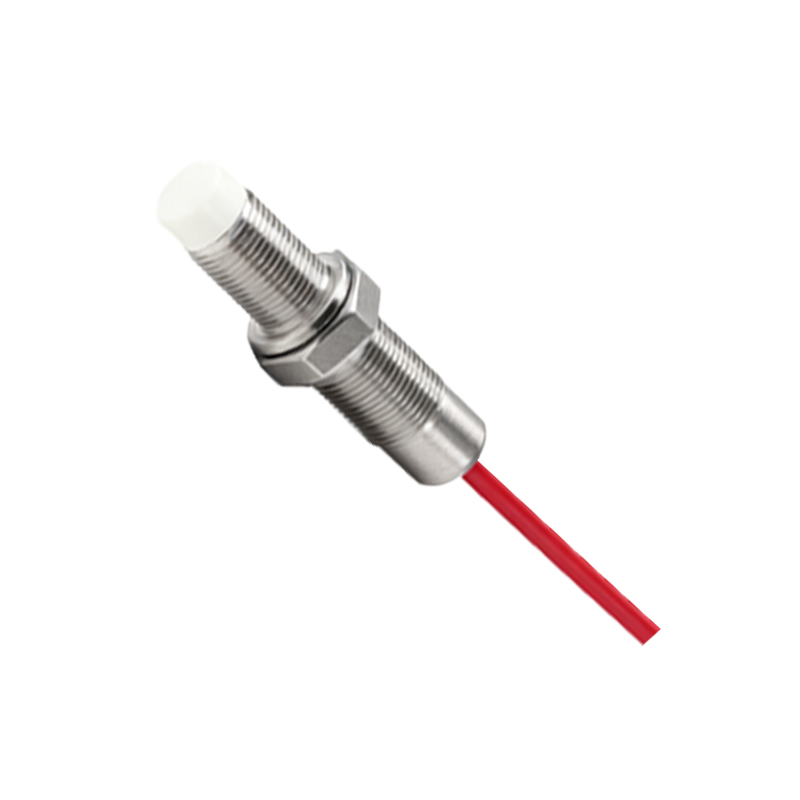
Inductive proximity sensors are non-contact electronic devices designed to detect the presence or absence of metallic objects within their sensing range. Operating on the principle of electromagnetic induction, these sensors generate an oscillating electromagnetic field from a coil. When a metallic target enters this field, eddy currents are induced in the object, causing a change in the oscillation amplitude. This alteration is detected by the sensor's circuitry, triggering an output signal. Commonly constructed with a ferrite core, coil, oscillator, and output switch, inductive sensors are renowned for their robustness, reliability, and immunity to environmental factors like dust, oil, or moisture. They are integral to modern industrial systems, providing precise detection without physical contact, thereby eliminating mechanical wear and tear.
Core Functions and Detection Capabilities
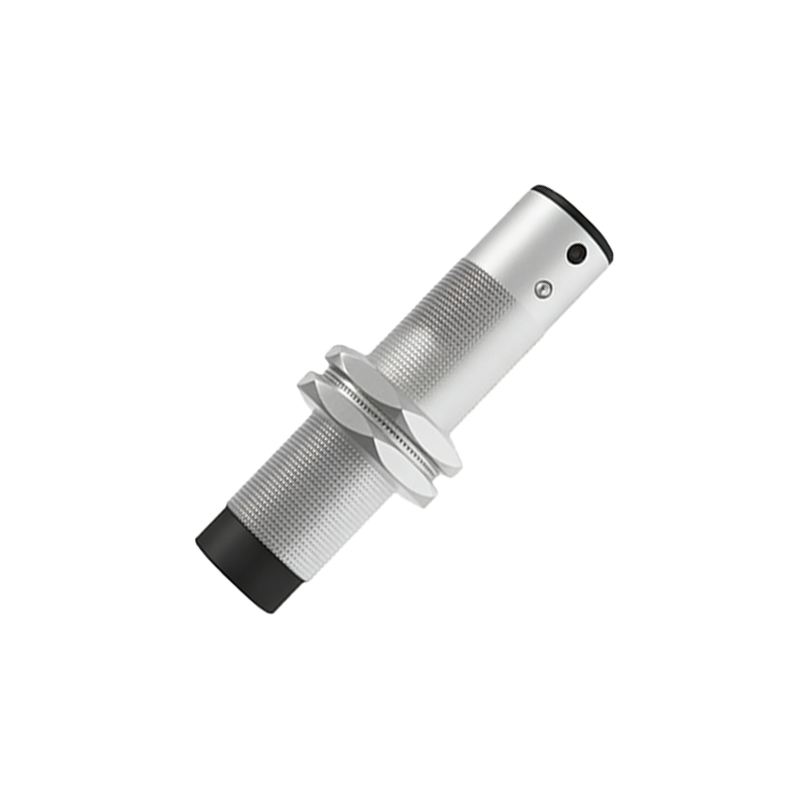
The primary function of inductive proximity sensors is to detect ferrous and non-ferrous metals, including steel, aluminum, copper, and brass, though sensing distances may vary based on material type. They excel in counting, positioning, and monitoring objects on production lines. For instance, in conveyor systems, these sensors verify the presence of metal components, ensuring proper assembly sequencing. They also serve as end-position detectors in pneumatic or hydraulic cylinders, confirming whether a piston has fully extended or retracted. Furthermore, inductive sensors can differentiate between metallic and non-metallic items, making them ideal for sorting applications in recycling plants or packaging machinery where metal contamination must be identified.
Key Advantages in Industrial Settings
Inductive proximity sensors offer numerous benefits that enhance operational efficiency. Their non-contact nature ensures long service life and minimal maintenance, as there are no moving parts to degrade. High switching frequencies, often up to several kilohertz, allow for rapid detection in high-speed automation processes. These sensors are inherently resistant to harsh conditions, including vibration, temperature extremes, and exposure to coolants or chemicals, thanks to typically sealed housings rated IP67 or higher. Additionally, they provide consistent performance with high repeat accuracy, meaning detection points remain stable over time, crucial for quality control in manufacturing. Energy efficiency is another advantage, as many models consume low power, reducing overall system costs.
Common Applications Across Industries
In automotive manufacturing, inductive sensors monitor robotic welding arms, detect engine parts on assembly lines, and control valve positions. The food and beverage industry employs them in machinery to sense metal packaging like cans or foil seals, while their washdown-resistant variants suit hygienic environments. Within material handling, sensors guide automated guided vehicles (AGVs) by detecting embedded floor markers or prevent jams in metal stamping presses. They also play vital roles in machine safety, acting as interlock switches to confirm guard doors are closed before equipment activation. In aerospace, these sensors assist in precision machining of turbine blades, ensuring tools are correctly positioned.
Selection Criteria and Installation Tips
Choosing the right inductive proximity sensor involves considering factors such as sensing distance, target material, size, and output type (e.g., NPN, PNP, or analog). Shielded models offer flush mounting capabilities but shorter ranges, while unshielded versions provide extended detection distances but require clearance from surrounding metal. Environmental conditions like temperature ranges and potential electrical interference must also be evaluated. For installation, ensure proper alignment with the target and avoid placing sensors near strong magnetic fields or other oscillating devices to prevent false triggers. Regular testing with actual targets under operating conditions helps verify performance, and using appropriate mounting brackets can minimize vibration effects.
Future Trends and Technological Developments
Advancements in inductive proximity sensor technology focus on miniaturization, increased intelligence, and enhanced connectivity. Miniature sensors, some as small as a few millimeters, enable integration into compact machinery and IoT-enabled devices. Smart sensors with IO-Link communication can transmit diagnostic data, such as temperature readings or switch cycle counts, to control systems for predictive maintenance. Improved materials and designs are extending sensing ranges and enabling better detection of non-ferrous metals. As Industry 4.0 evolves, these sensors will increasingly support data-driven automation, contributing to smarter, more adaptive manufacturing ecosystems where real-time monitoring optimizes productivity and reduces downtime.