In modern industrial automation and consumer electronics, the demand for precise, reliable, and space-efficient sensing solutions has never been higher. Small spot proximity sensors, characterized by their highly focused detection areas, have emerged as critical components in applications where accuracy and miniaturization are paramount. Unlike conventional proximity sensors that may have broader detection fields, these specialized devices concentrate sensing capabilities into a tiny, well-defined spot, enabling exact targeting of objects even in densely packed environments.
The core technology behind small spot proximity sensors often involves advanced optical or ultrasonic principles. Optical variants, for instance, utilize precisely aligned lenses and narrow-beam infrared or laser diodes to create a concentrated sensing zone. This design minimizes interference from surrounding objects, reducing false triggers and enhancing repeatability. In ultrasonic models, focused sound waves achieve similar precision, making them suitable for challenging conditions like dust or vapor presence where optics might struggle. The typical sensing range for these units varies, with many models operating effectively from a few millimeters up to several centimeters, depending on the specific technology and configuration.
One of the standout advantages of small spot proximity sensors is their ability to detect minute objects or specific features on a larger component. In electronics assembly, they can verify the presence of tiny solder balls or micro-components on circuit boards. In pharmaceutical packaging, they ensure precise alignment of small labels or check for micro-cracks in vial seals. The automotive industry employs them for quality control, such as inspecting fine engravings on parts or confirming the placement of small fasteners. Their focused nature also allows for installation in extremely tight spaces where traditional sensors cannot fit, supporting the trend toward miniaturization across sectors.
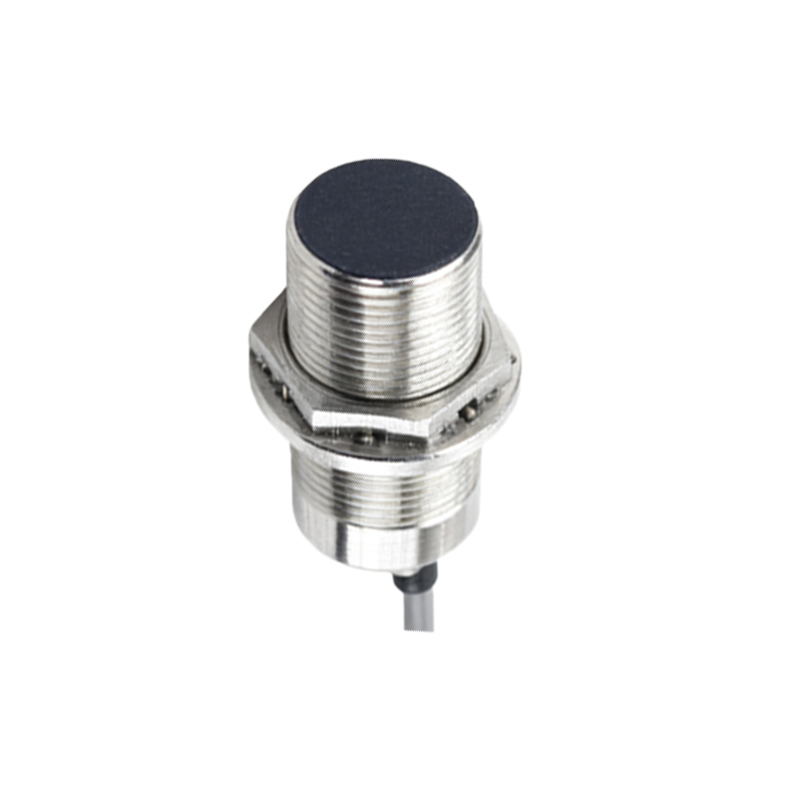
Selecting the right small spot proximity sensor requires careful consideration of several parameters. The size of the actual sensing spot, often specified in millimeters, must match the target's dimensions. Response time is crucial for high-speed production lines, with many sensors offering microsecond-level switching. Environmental factors like ambient light, temperature fluctuations, and potential contaminants also influence material choice and housing design, with options available in ruggedized, IP-rated enclosures for harsh industrial settings. Furthermore, output types—such as digital (PNP/NPN) or analog (4-20mA, 0-10V)—need to align with the control system in use.
Installation and alignment are critical to performance. Even slight misalignment can shift the sensing spot away from the intended target, leading to detection failures. Manufacturers often provide mounting fixtures or alignment aids to simplify this process. Regular maintenance, including lens cleaning for optical sensors, ensures long-term reliability and prevents degradation from dust or oil accumulation.
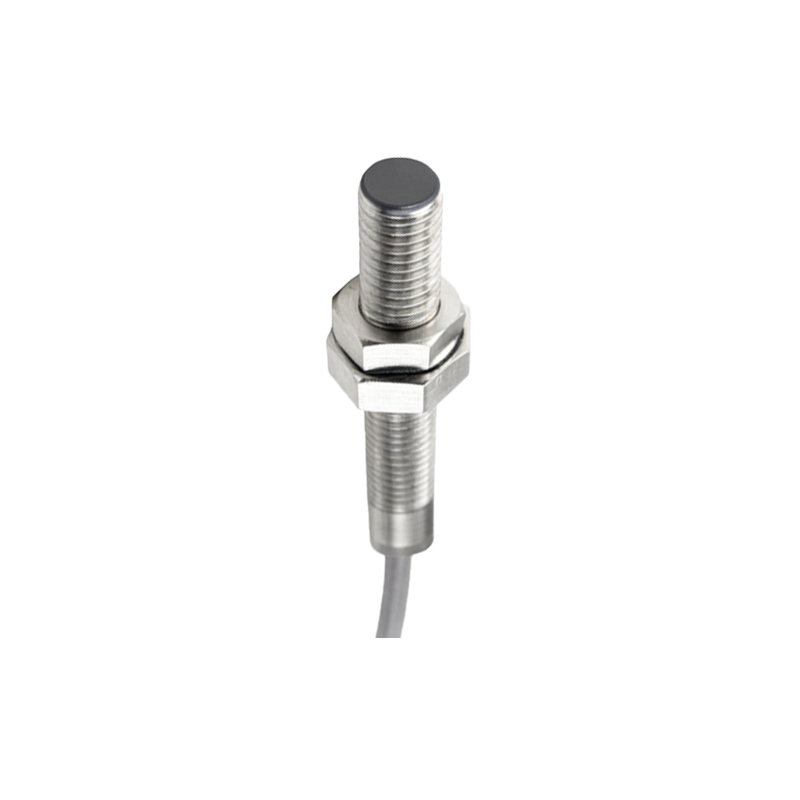
Looking ahead, innovations in miniaturization and smart features are driving the next generation of small spot proximity sensors. Integration with IO-Link and other industrial communication protocols enables real-time parameter adjustment and diagnostic data reporting, facilitating predictive maintenance. Enhanced materials and coatings are improving resistance to harsh chemicals and extreme temperatures, expanding their applicability in fields like food processing, semiconductor manufacturing, and aerospace.
In conclusion, small spot proximity sensors represent a vital evolution in sensing technology, addressing the growing need for precision in compact spaces. By offering focused, reliable detection, they enable higher quality control, increased automation efficiency, and new possibilities in product design and manufacturing. As industries continue to push the boundaries of miniaturization and precision, the role of these specialized sensors will only become more prominent, forming the unseen backbone of modern automated systems.