Introduction to Cross Photoelectric Sensors
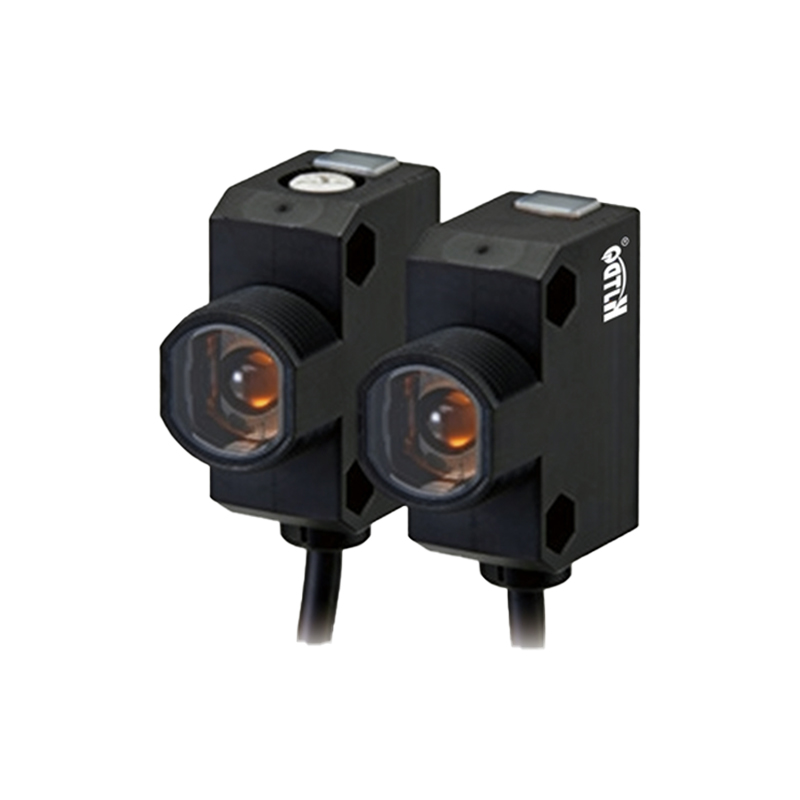
Cross photoelectric sensors, also known as through-beam sensors, are fundamental devices in industrial automation and control systems. These sensors operate on a straightforward yet highly effective principle: they consist of two separate units—a transmitter and a receiver—positioned opposite each other. The transmitter emits a continuous beam of light, typically infrared or laser, which is directly received by the opposing unit. When an object passes between the two units, it interrupts this light beam, triggering a detection signal. This configuration allows for reliable and precise object detection across considerable distances, often up to several meters, depending on the model and environmental conditions. Their design minimizes the impact of external factors like object color, reflectivity, or surface texture, making them exceptionally robust for diverse applications. From manufacturing assembly lines to packaging machinery, cross photoelectric sensors provide a critical first point of contact for process initiation, safety interlocks, and quality control.
Core Operational Principles and Advantages
The operational efficacy of cross photoelectric sensors stems from their through-beam design. Unlike reflective or diffuse sensors, the emitter and receiver are housed in separate enclosures. This physical separation grants them significant advantages. First, they offer the longest sensing ranges among photoelectric sensor types. Second, they exhibit high immunity to environmental interferences such as ambient light or dust, as the receiver is tuned specifically to the emitter's wavelength. The detection is binary and highly stable; the sensor consistently outputs a signal only when the beam is completely blocked. This reliability is paramount in high-speed applications where missed detections can lead to production errors or safety hazards. Furthermore, their setup is generally simple, requiring precise alignment during installation but offering minimal need for recalibration thereafter. This combination of long range, stability, and simplicity makes them a preferred choice for demanding industrial environments.
Key Applications in Modern Industry
The utility of cross photoelectric sensors spans virtually every sector of modern industry. In material handling and logistics, they are deployed to detect the presence of boxes on conveyors, count items, and control gate operations. Within automotive manufacturing, these sensors ensure precise positioning of components during robotic welding or assembly, verifying that a part is in place before a critical operation proceeds. In packaging machinery, they monitor film webs, detect product placement for filling, and verify seal integrity. An equally critical application is in safety systems, where they create invisible light curtains around hazardous machinery. If a person or object breaks this curtain, the sensor sends an immediate signal to halt the equipment, preventing accidents. Their ability to function reliably in harsh conditions—withstanding vibrations, temperature variations, and contaminants—solidifies their role as indispensable components in continuous, automated production processes.
Selection Criteria and Installation Best Practices
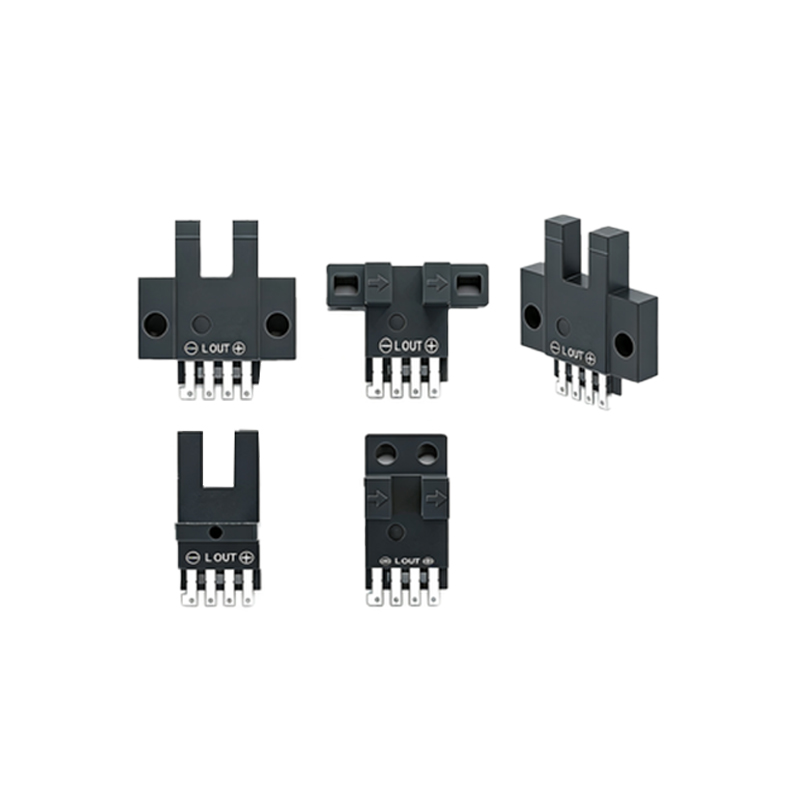
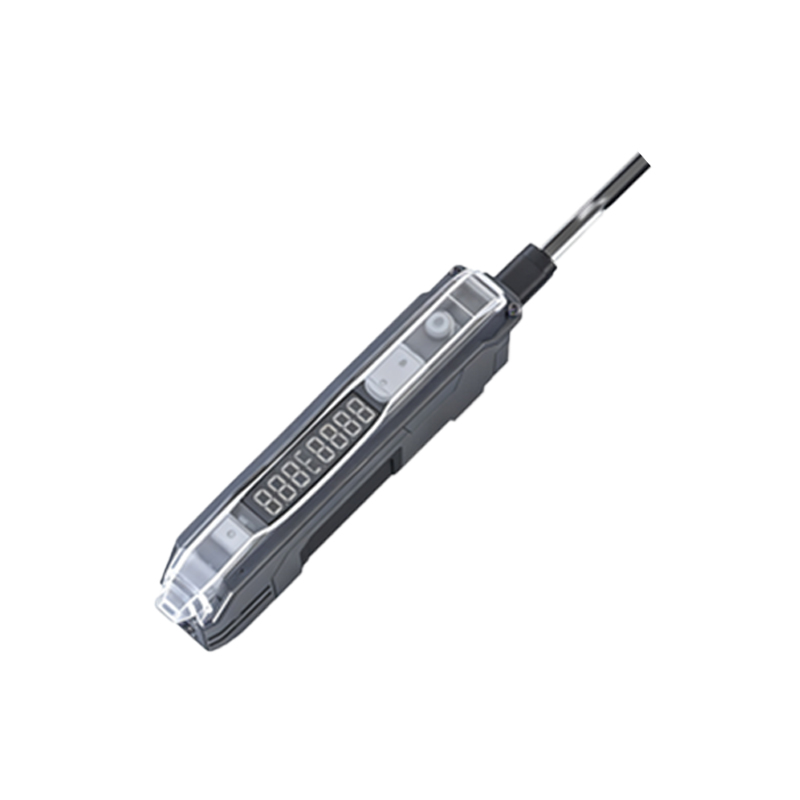
Selecting the appropriate cross photoelectric sensor requires careful consideration of several technical parameters. The sensing range is primary; engineers must choose a model whose specified range exceeds the actual installation distance to ensure a strong signal. The type of light source is another key factor: infrared LEDs are common for general purposes, while laser diodes provide a more focused beam for precise detection of small objects or over very long distances. Environmental ratings, denoted by IP (Ingress Protection) codes, are crucial for operation in dusty, wet, or washdown environments. Output configuration (e.g., NPN, PNP, relay) must be compatible with the host control system, such as a PLC. During installation, meticulous alignment of the transmitter and receiver is essential. Using alignment tools or indicators built into the sensors can simplify this process. The mounting hardware must be rigid to prevent misalignment from vibration. Regular maintenance, primarily lens cleaning to prevent buildup of dirt or grime that could attenuate the light beam, is a simple yet vital practice to ensure long-term, fail-safe operation.
Future Trends and Technological Integration
The evolution of cross photoelectric sensors is closely tied to advancements in Industry 4.0 and smart manufacturing. Future iterations are integrating more intelligence directly into the sensor housing. Features like IO-Link communication are becoming standard, allowing for remote configuration, real-time monitoring of device health (such as lens contamination or signal strength), and predictive maintenance alerts. This connectivity transforms the sensor from a simple detection switch into a data point within a networked system. Furthermore, improvements in LED and laser technology are yielding sensors with even longer ranges, higher energy efficiency, and more resistant housings. There is also a trend toward miniaturization, enabling their use in increasingly compact machinery without sacrificing performance. As automation systems demand greater precision, reliability, and data integration, the cross photoelectric sensor will continue to adapt, maintaining its status as a cornerstone technology for precise object detection and system control in the automated industrial landscape.