Understanding the Role of Proximity Sensors
Proximity sensors are essential components in modern industrial automation, designed to detect the presence or absence of objects without physical contact. These devices operate based on various principles, such as electromagnetic fields, capacitance, or infrared light, enabling reliable detection in diverse environments. The primary purpose of selecting proximity sensors lies in their ability to enhance operational efficiency, reduce maintenance costs, and improve safety. By providing accurate and timely data, they facilitate seamless integration into control systems, ensuring precise monitoring and control of machinery. Industries ranging from manufacturing to automotive rely on these sensors to optimize processes, minimize downtime, and maintain high-quality standards. Understanding their fundamental role is the first step toward leveraging their full potential in complex applications.
Key Objectives for Sensor Selection
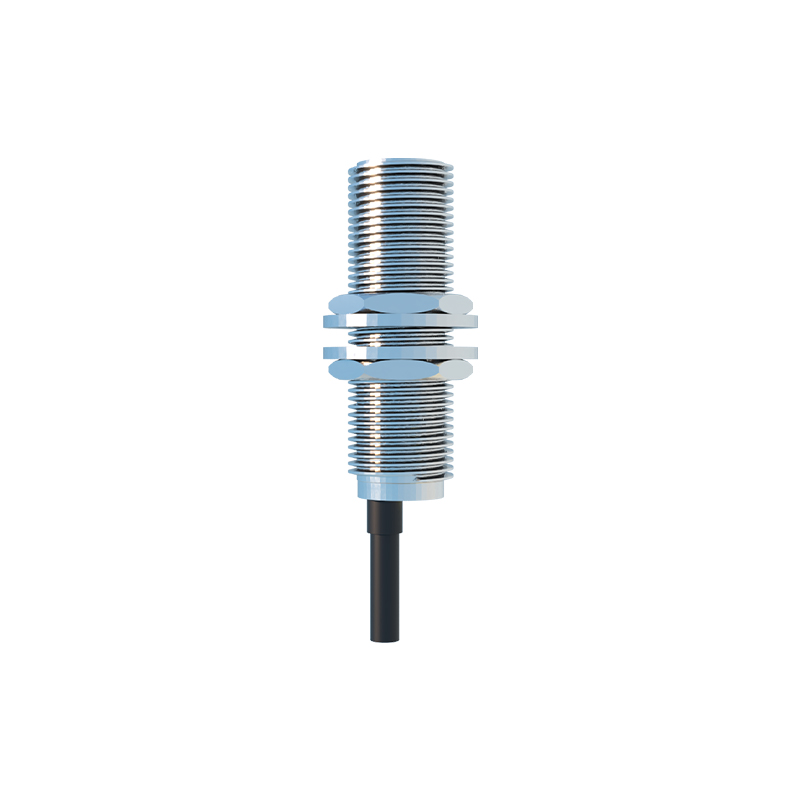
When choosing proximity sensors, engineers aim to achieve specific objectives tailored to operational needs. One key goal is to ensure reliable detection under varying conditions, such as temperature fluctuations, humidity, or exposure to contaminants. Sensors must be selected based on their sensing range, response time, and durability to withstand harsh industrial environments. Another objective is to enhance system accuracy, reducing errors in positioning or counting tasks. For instance, in assembly lines, proximity sensors help verify component placement, preventing defects and waste. Additionally, selecting the right sensor type—inductive, capacitive, or photoelectric—depends on the material and nature of the target object, ensuring compatibility and optimal performance.
Improving Safety and Reducing Risks
Safety is a paramount concern in industrial settings, and proximity sensors play a critical role in mitigating hazards. By detecting unauthorized access to dangerous machinery or monitoring the position of moving parts, these sensors help prevent accidents and injuries. For example, in robotic applications, proximity sensors can halt operations when a human enters a restricted zone, adhering to safety protocols. The purpose of choosing sensors with high reliability and fail-safe features is to create a secure working environment, complying with industry regulations like ISO standards. This not only protects personnel but also minimizes liability risks and potential downtime due to safety incidents.
Enhancing Efficiency and Productivity
Efficiency gains are a major driver behind the selection of proximity sensors. These devices enable faster and more consistent operations by automating detection processes, reducing the need for manual intervention. In logistics and packaging, sensors streamline sorting and tracking, accelerating throughput while maintaining accuracy. By integrating sensors with programmable logic controllers (PLCs), industries can achieve real-time data analysis, allowing for predictive maintenance and optimized resource use. The purpose here is to boost overall productivity, lower operational costs, and support scalable growth. Engineers often evaluate sensor specifications, such as switching frequency and environmental resistance, to ensure they align with efficiency targets.
Cost-Effectiveness and Long-Term Value
Selecting proximity sensors involves considering both initial investment and long-term benefits. While high-quality sensors may have a higher upfront cost, their durability and low maintenance requirements lead to significant savings over time. The purpose is to minimize total cost of ownership by reducing replacement frequency and avoiding production losses from sensor failures. Factors like energy consumption, ease of installation, and compatibility with existing systems also influence cost-effectiveness. By choosing sensors from reputable manufacturers with proven track records, industries can ensure reliability and access technical support, further enhancing value. This strategic approach supports sustainable operations and competitive advantage in the market.
Adapting to Technological Advancements
The rapid evolution of technology underscores the importance of selecting proximity sensors that can adapt to future needs. Modern sensors offer advanced features, such as IoT connectivity, smart diagnostics, and enhanced sensitivity, enabling smarter automation solutions. The purpose of choosing such sensors is to future-proof industrial systems, allowing for upgrades and integration with emerging technologies like Industry 4.0. Engineers should assess scalability and interoperability when making selections, ensuring sensors can communicate with other devices and software platforms. This forward-thinking approach not only improves current operations but also positions companies to leverage innovations for continued growth and efficiency.