Introduction to E3C-A Proximity Sensors
In the realm of industrial automation, the demand for accurate, reliable, and durable sensing solutions is paramount. The E3C-A series of proximity sensors stands out as a cornerstone technology, designed to meet the rigorous demands of modern manufacturing and processing environments. These sensors are non-contact detection devices that utilize high-frequency oscillation to identify the presence or absence of metallic objects. Their compact design, coupled with advanced sensing capabilities, makes them indispensable in applications ranging from assembly line monitoring to precision positioning in machinery. The E3C-A series embodies a blend of engineering excellence and practical functionality, ensuring seamless integration into complex automated systems.
Core Operating Principles and Technology
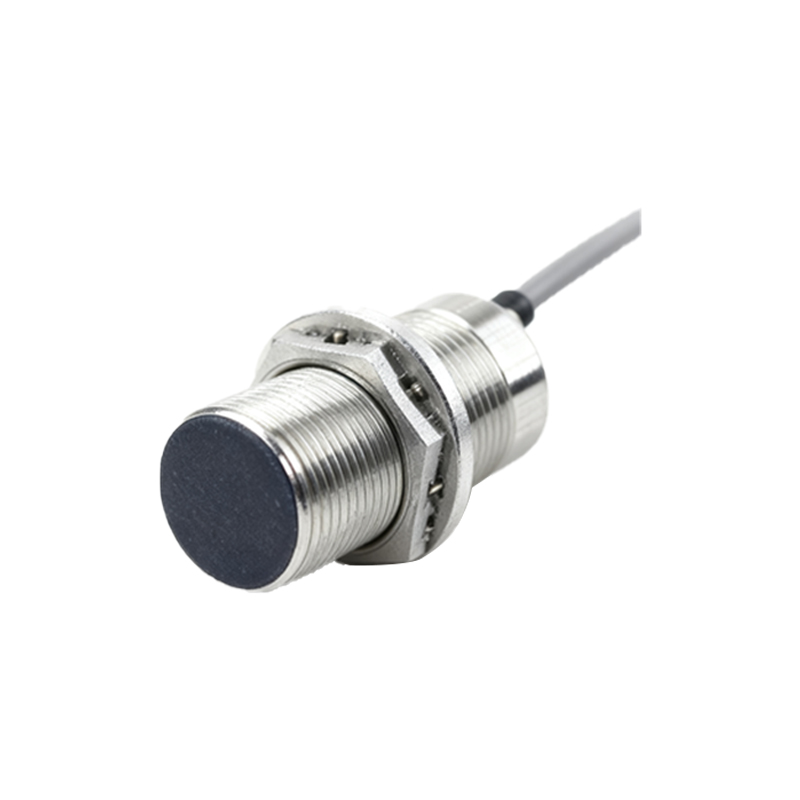
The fundamental operation of the E3C-A proximity sensor is based on the electromagnetic induction principle. The sensor contains an oscillator circuit that generates a high-frequency electromagnetic field at its sensing face. When a metallic target enters this field, eddy currents are induced on the target's surface. This causes a change in the oscillation amplitude or frequency within the sensor's circuit. An integrated evaluation circuit detects this change and triggers a switching signal output. This all-solid-state design, with no moving mechanical parts, is key to the sensor's exceptional longevity and resistance to wear. The E3C-A series typically offers both shielded and unshielded models, allowing for flexible installation where sensor flush-mounting is or isn't required adjacent to metal structures.
Key Features and Performance Specifications
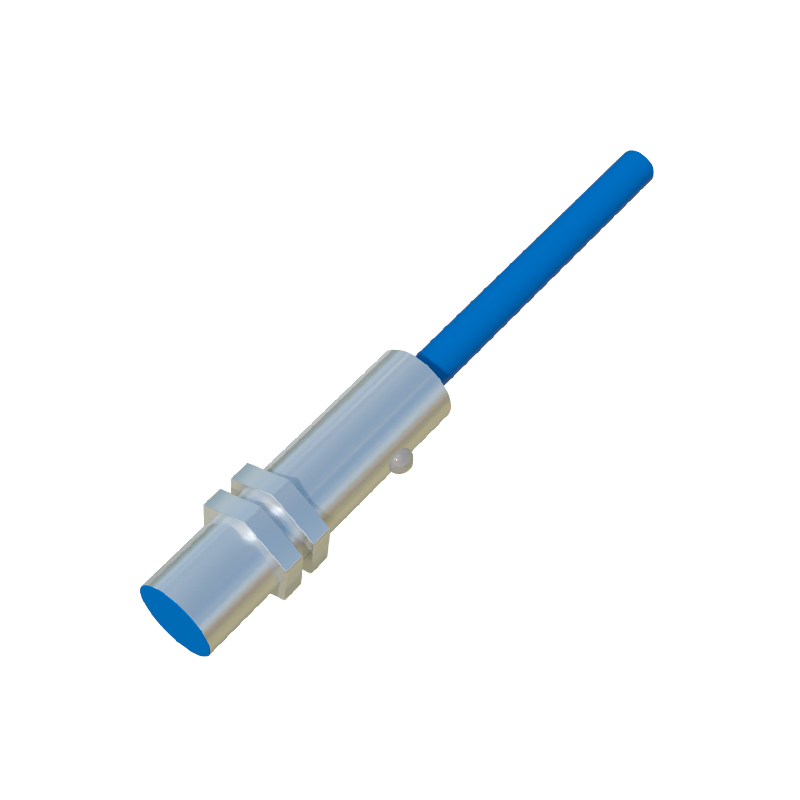
The E3C-A series is renowned for its robust feature set. A primary attribute is its high sensing distance relative to its size, enabling reliable detection without physical contact. These sensors exhibit excellent environmental resistance, often featuring IP67-rated enclosures that protect against dust ingress and temporary immersion in water. They are built to withstand common industrial challenges such as oil, coolant splashes, and electrical noise interference. Performance specifications include a fast response time, allowing for high-speed counting and detection on fast-moving production lines. Additionally, many models incorporate an LED status indicator for easy visual confirmation of operation and output state, simplifying installation, troubleshooting, and maintenance procedures.
Diverse Models and Configuration Options
To cater to a wide array of application needs, the E3C-A family comes in various configurations. This includes different sensing distances (e.g., 1mm, 2mm, 4mm, 8mm), housing shapes (cylindrical and rectangular), and output types (NPN or PNP transistor outputs, normally open or normally closed logic). The availability of both DC 2-wire and DC 3-wire models provides flexibility in electrical system design and compatibility with different PLC (Programmable Logic Controller) input modules. Certain specialized variants may offer enhanced capabilities, such as increased temperature tolerance for extreme environments or weld-field immunity for reliable operation near resistance welding equipment. This diversity ensures that engineers can select the precise model to optimize system performance.
Typical Industrial Applications and Use Cases
The versatility of E3C-A sensors makes them suitable for countless applications across multiple industries. In automotive manufacturing, they are used for part presence verification, robot end-effector positioning, and hole detection. In packaging machinery, they monitor product flow, detect metallic seals, and control filling levels. Within material handling systems, these sensors facilitate precise positioning of pallets, count metal parts on conveyors, and act as limit switches. Their reliability is also critical in metalworking for tool breakage detection and in automated assembly for ensuring components are correctly seated before the next process step. The non-contact nature eliminates mechanical wear on both the sensor and the target, ensuring consistent performance over millions of operating cycles.
Installation Best Practices and Maintenance
Proper installation is crucial for maximizing the performance and lifespan of an E3C-A proximity sensor. Key considerations include ensuring the correct mounting distance and alignment relative to the target object. For shielded models, flush mounting in metal is permissible, while unshielded models require a non-metallic zone around the sensing face. Electrical wiring should follow manufacturer guidelines, paying attention to polarity for DC models and implementing proper shielding in areas with high electromagnetic interference. Routine maintenance is minimal due to the solid-state construction; however, periodic checks are recommended. These include verifying the sensing face is clean and free of debris, metal chips, or buildup that could affect performance, and confirming the output signal integrity under normal operating conditions.
Advantages Over Alternative Sensing Technologies
When compared to other sensing methods like mechanical limit switches or photoelectric sensors, E3C-A inductive proximity sensors offer distinct advantages. Their non-contact operation ensures no physical wear, leading to vastly superior service life and reduced