Introduction to Proximity Sensor Standards
In the realm of industrial automation and electrical engineering, proximity sensors are indispensable components for non-contact detection. Their reliability and interoperability across diverse global applications are fundamentally governed by a complex framework of international and regional standards. These standards define critical parameters such as performance characteristics, electrical interfaces, environmental resilience, and safety requirements. For engineers, understanding these standards is not merely about regulatory compliance; it is essential for ensuring system reliability, facilitating seamless integration, and guaranteeing operational safety in demanding industrial environments. This guide delves into the key standards that shape the design, selection, and application of proximity sensors worldwide.
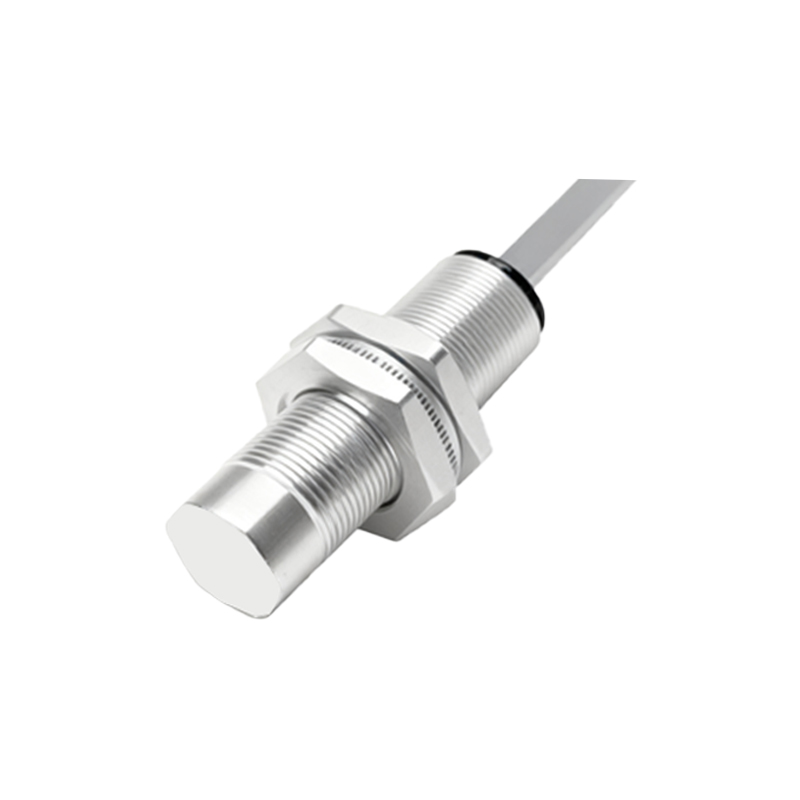
International Electrotechnical Commission (IEC) Standards
The International Electrotechnical Commission (IEC) provides the cornerstone for global proximity sensor standardization. The most pivotal series is the IEC 60947-5, specifically "Low-voltage switchgear and controlgear - Part 5: Control circuit devices and switching elements." Within this, IEC 60947-5-2 is dedicated to proximity switches. This standard meticulously defines terms, characteristics, performance criteria, and testing methods. It classifies sensors based on their operating principle (e.g., inductive, capacitive), outlines electrical ratings like rated insulation voltage and utilization category, and specifies crucial tests for dielectric properties, operational performance, and environmental conditions such as humidity and temperature. Compliance with IEC 60947-5-2 is a universal benchmark for quality and safety, ensuring sensors can be reliably used in control circuits of machinery and industrial plants.
Underwriters Laboratories (UL) and CSA Standards
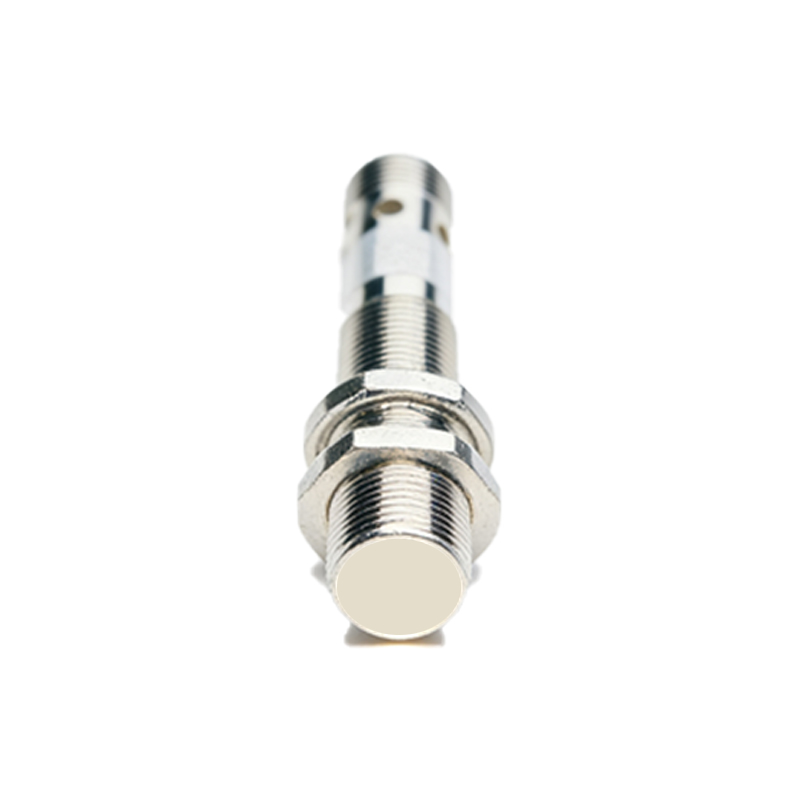
In North America, Underwriters Laboratories (UL) and the Canadian Standards Association (CSA) set the mandatory safety benchmarks. The primary standard is UL 508 (Industrial Control Equipment), which encompasses proximity sensors used as pilot devices in control circuits. UL listing signifies that the sensor has undergone rigorous testing for fire, electrical shock, and other safety hazards. Similarly, CSA C22.2 No. 14 serves an equivalent purpose in Canada. Often, sensors are certified to both standards (UL/CSA listed or recognized), indicating compliance for the entire North American market. These standards focus intensely on construction requirements, spacings (creepage and clearance), material flammability, and endurance under fault conditions, providing assurance for safe installation in accordance with the National Electrical Code (NEC) and Canadian Electrical Code (CEC).
Protection Ratings: IP and NEMA Codes
A critical aspect of sensor specification is its protection against environmental ingress. The IEC 60529 standard defines the International Protection (IP) code, a two-digit rating system. The first digit indicates protection against solid objects (like dust, rated 0-6), and the second denotes protection against liquids (rated 0-9). For instance, IP67 is a common rating for industrial proximity sensors, offering complete dust ingress protection and the ability to withstand temporary immersion in water. In parallel, the National Electrical Manufacturers Association (NEMA) in North America provides similar classifications (e.g., NEMA 1, 4, 4X, 6P, 13) that correlate roughly with IP ratings. Understanding these codes is vital for selecting a sensor suitable for washdown areas, outdoor installations, or dusty manufacturing floors.
Performance and Output Characteristics
Beyond safety and enclosure, standards also govern performance metrics. The switching frequency, repeat accuracy, and temperature drift are often tested per IEC 60947-5-2 procedures. Furthermore, output configurations are standardized. For 3-wire DC sensors, the NPN (sinking) and PNP (sourcing) output types are globally recognized conventions, defining the current flow path. While not always dictated by a single standard, the consistent use of brown (L+), blue (L-), and black (output) wire coloring for DC sensors is an industry norm derived from various wiring standards (like IEC 60445), promoting error-free installation. Analog output sensors (4-20 mA, 0-10V) must comply with signal standard guidelines such as those in IEC 60381.
Electromagnetic Compatibility (EMC) Standards
In electrically noisy industrial environments, a sensor's immunity to electromagnetic interference and its own emissions are paramount. Key EMC standards include IEC 61000-6-2 (Immunity for industrial environments) and IEC 61000-6-4 (Emission standards for industrial environments). These standards test the sensor's resilience against phenomena like electrostatic discharge (ESD), radiated radio-frequency fields, fast transient bursts, and surges. Compliance ensures the sensor will not malfunction due to nearby motor drives, radio transmitters, or switching events, and will not itself emit excessive noise that could disrupt