Introduction to Inductive Proximity Sensors
Inductive proximity sensors are non-contact electronic devices widely used in industrial automation for detecting metallic objects. Operating on the principle of electromagnetic induction, these sensors generate an oscillating magnetic field. When a metallic target enters this field, eddy currents are induced, causing a change in the sensor's oscillation amplitude. This alteration is detected and converted into an output signal, triggering actions such as counting, positioning, or safety controls. In Jinwan District, a hub for advanced manufacturing in China, these sensors play a critical role in enhancing efficiency and precision across various sectors, including automotive, electronics, and machinery production. Their robustness, reliability, and ability to function in harsh environments make them indispensable in modern industrial setups.
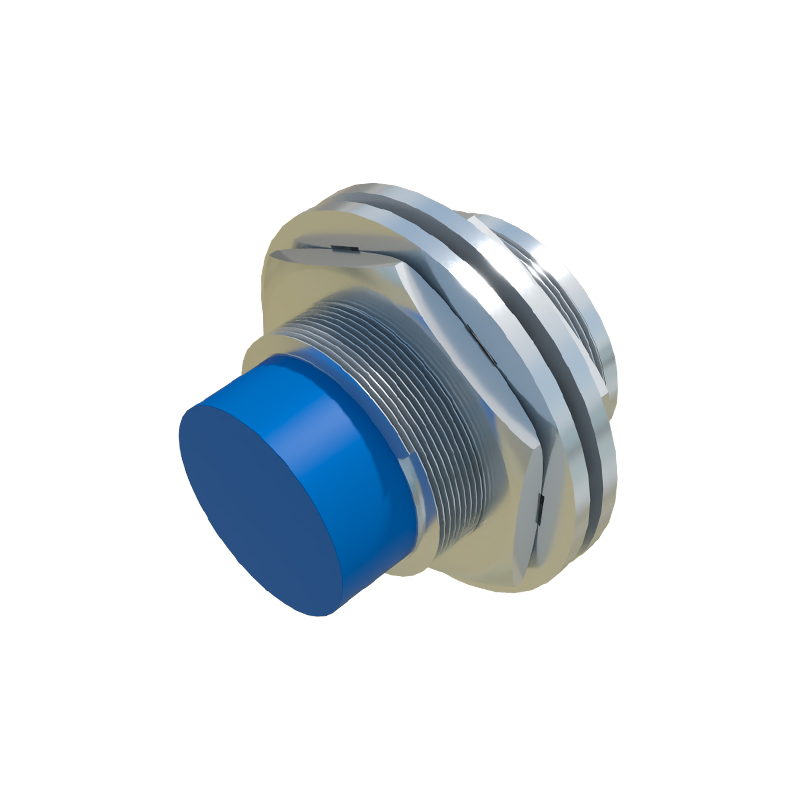
Key Features and Technical Specifications
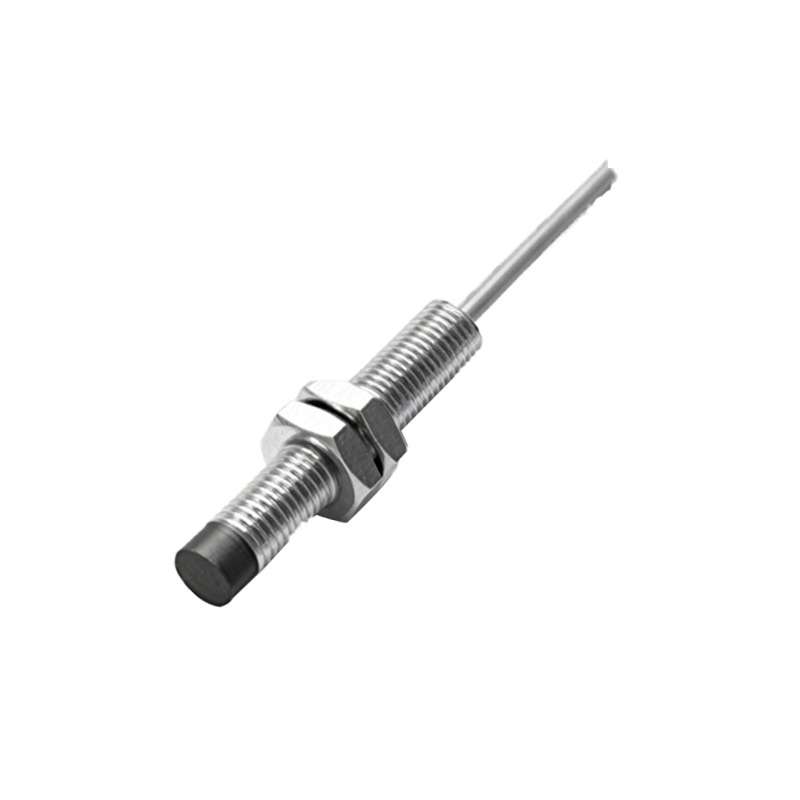
Inductive proximity sensors in Jinwan District are designed with advanced features to meet diverse industrial demands. Key specifications include sensing range, which typically varies from 2 to 40 millimeters, depending on the target material and sensor size. Most models offer high switching frequencies, enabling rapid detection in high-speed applications like conveyor systems. They are built with durable materials such as stainless steel or nickel-plated brass, ensuring resistance to dust, moisture, and mechanical stress. Additionally, many sensors incorporate temperature compensation circuits, allowing stable operation in temperatures ranging from -25°C to 70°C. Output options include NPN, PNP, and analog signals, providing compatibility with different control systems. These technical attributes ensure seamless integration into Jinwan's automated production lines, supporting industries in achieving higher productivity and reduced downtime.
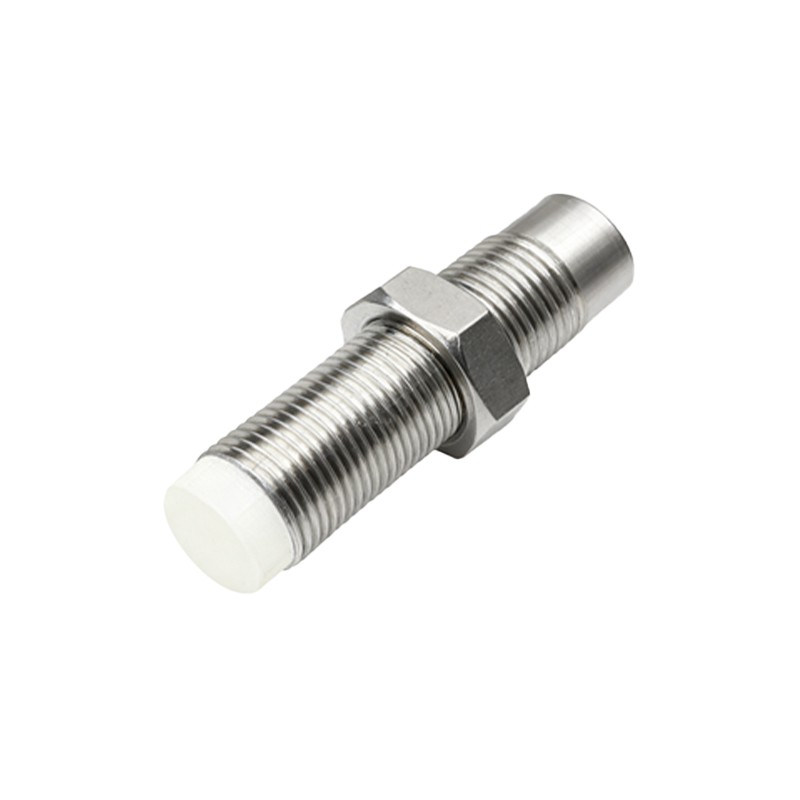
Applications in Jinwan's Industrial Landscape
In Jinwan District, inductive proximity sensors are deployed across multiple industries to optimize processes. In automotive manufacturing, they monitor assembly lines by detecting engine components or verifying part presence, ensuring quality control. Electronics factories utilize these sensors for precise positioning of circuit boards during soldering or testing phases. Machinery producers rely on them for safety interlocks, preventing equipment operation when guards are open. Moreover, logistics and packaging sectors employ sensors for object counting and sorting in automated warehouses. The adaptability of these sensors to various metals, including steel, aluminum, and copper, makes them versatile for Jinwan's diverse industrial base. By enabling non-contact detection, they minimize wear and tear, leading to lower maintenance costs and enhanced operational longevity in local facilities.
Innovations and Trends in Sensor Technology
Recent innovations in inductive proximity sensors within Jinwan District focus on smart manufacturing and Industry 4.0 integration. Modern sensors now feature IO-Link communication protocols, allowing real-time data exchange with central control systems for predictive maintenance and performance analytics. Miniaturization has led to compact designs that fit into tight spaces without compromising sensitivity. Enhanced shielding techniques reduce electromagnetic interference, improving accuracy in noisy environments. Some advanced models incorporate self-diagnostic functions, alerting operators to potential failures before they disrupt production. These trends align with Jinwan's push toward digital transformation, where sensors contribute to interconnected, data-driven factories. As local companies adopt automation and robotics, the demand for high-precision, intelligent sensors continues to grow, driving further research and development in the region.
Selection and Installation Best Practices
Choosing the right inductive proximity sensor in Jinwan District involves considering factors like target material, environmental conditions, and application requirements. For ferrous metals, standard sensors with shorter ranges may suffice, while non-ferrous targets often require specialized models with extended sensing capabilities. Installation should avoid metallic surroundings that could cause false triggers, and proper alignment with the target is crucial for optimal performance. Regular calibration and testing are recommended to maintain accuracy, especially in high-vibration settings. Local suppliers in Jinwan offer technical support and customization services, helping industries select sensors that match specific operational needs. By following these best practices, businesses can maximize sensor lifespan and ensure reliable detection, supporting Jinwan's reputation as a leader in efficient industrial automation.
Future Outlook and Economic Impact
The future of inductive proximity sensors in Jinwan District looks promising, driven by advancements in automation and sustainable manufacturing. As industries embrace green technologies, sensors with energy-efficient designs and recyclable materials are gaining traction. Collaborations between local universities and tech firms are fostering innovation, leading to sensors with enhanced AI capabilities for adaptive control. Economically, the widespread use of these sensors boosts productivity, reduces waste, and attracts investment in Jinwan's industrial sector. By integrating cutting-edge sensor technology, the district strengthens its competitive edge in global markets, positioning itself as a center for smart manufacturing excellence. Continued focus on R&D will likely yield more compact, cost-effective, and versatile sensors, further revolutionizing automation in the years ahead.