In the intricate dance of modern machinery and smart systems, there exists a silent, unseen sentinel. Proximity obstacle sensors, often unnoticed by the end-user, form the critical first line of defense and interaction in countless applications. These devices, fundamentally, are electronic components designed to detect the presence, absence, or distance of nearby objects without any physical contact. Their operation hinges on various physical principles, each suited to specific environmental challenges and precision requirements.
The most prevalent technology is the infrared (IR) sensor. It typically consists of an IR LED that emits a beam of light and a photodiode that detects its reflection. When an object enters the sensor's field, the reflected light is captured, triggering a signal change. This simple, cost-effective principle powers everyday devices like automatic towel dispensers and many line-following robots. However, its accuracy can be compromised by ambient light and the color or reflectivity of the target object.
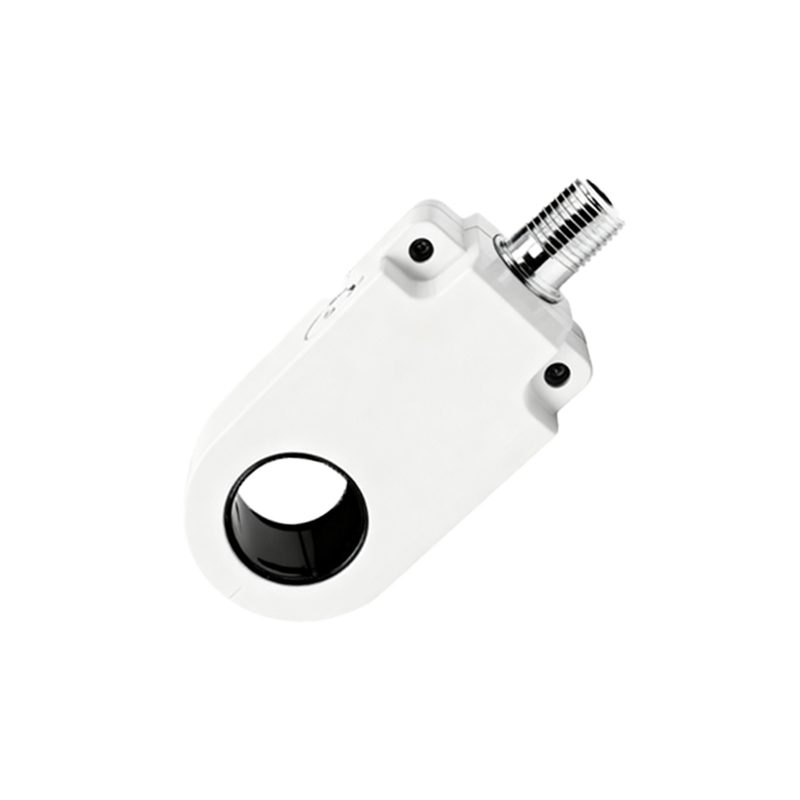
For more demanding environments, ultrasonic sensors take center stage. Mimicking the echolocation of bats, these sensors emit high-frequency sound waves (inaudible to humans) and calculate the time taken for the echo to return. This time-of-flight measurement allows for reasonably accurate distance calculation, making them ideal for applications like parking assist systems, liquid level measurement in tanks, and even in some robotics for obstacle avoidance. Their performance can be affected by temperature, humidity, and the material of the target—soft materials may absorb sound waves.
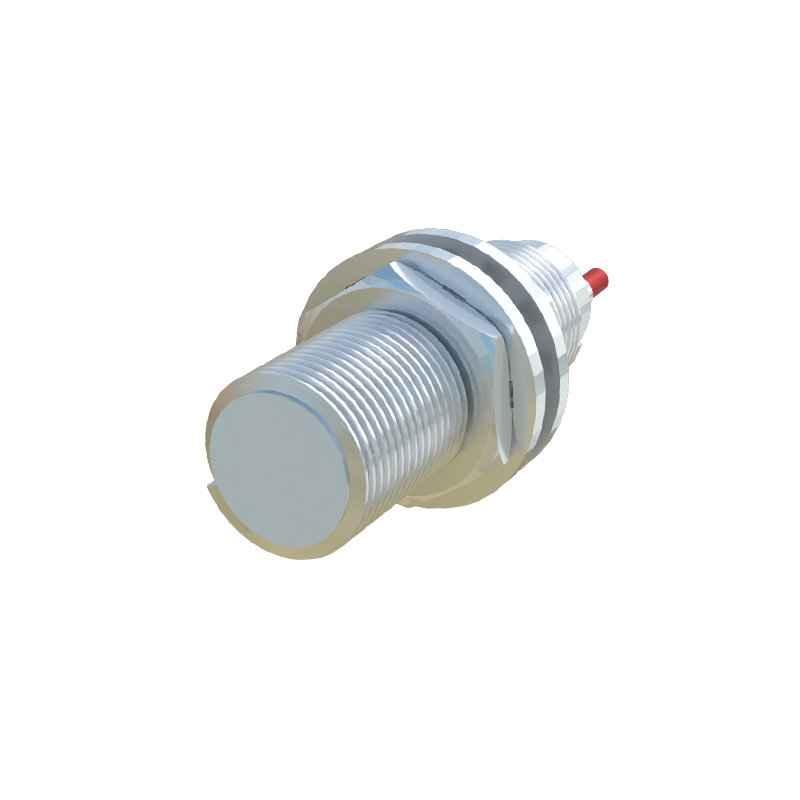
In the realm of high precision and reliability, especially where environmental factors are harsh, inductive and capacitive sensors offer robust solutions. Inductive proximity sensors generate an electromagnetic field. When a metallic object enters this field, it induces eddy currents within the object, which are detected by the sensor. This makes them perfect for industrial automation—counting metal parts on a conveyor belt, determining the position of a machine tool, or providing end-of-travel detection in actuators. They are virtually immune to dust, dirt, and moisture, but their one limitation is clear: they only detect metals.
Their counterpart, the capacitive sensor, can detect nearly any material—metal, plastic, wood, liquid, or granules. It works by generating an electrostatic field. Any object with a dielectric constant different from air will disturb this field upon approach, changing the sensor's capacitance and triggering detection. This versatility is exploited in applications like touch-sensitive buttons, material level detection in hoppers (for plastics or grains), and even as liquid presence detectors.
The latest frontier integrates these sensors into sophisticated networks, forming the sensory layer of the Internet of Things (IoT) and autonomous systems. In a modern warehouse, a combination of ultrasonic and IR sensors guides autonomous mobile robots (AMRs) through dynamic pathways, avoiding both static infrastructure and human workers. In advanced driver-assistance systems (ADAS), a fusion of radar (a form of long-range proximity sensing), ultrasonic, and camera data creates a comprehensive 360-degree model of the vehicle's surroundings, enabling features like blind-spot monitoring and cross-traffic alert.
The selection of a proximity sensor is a careful engineering decision. Key parameters include sensing range, response time, repeatability (consistency of detection at the same distance), and the nature of the output signal (digital on/off or analog distance data). Environmental conditions—temperature extremes, presence of contaminants, vibration, and electromagnetic interference—must also be rigorously considered. A sensor perfect for a clean-room assembly robot would likely fail on a construction vehicle.
From the mundane act of a faucet turning on automatically to the complex navigation of a surgical robot, proximity obstacle sensors are the fundamental enablers. They provide the essential "sense of touch" to machines that lack biological senses, allowing for automation, safety interlocks, and interactive functionalities. As technology marches toward greater autonomy and intelligence, the demand for more accurate, smaller, more robust, and energy-efficient proximity sensors will only intensify. Their evolution continues, quietly but decisively shaping a world where machines perceive and react to their physical surroundings with ever-greater finesse.