In the world of industrial automation and machinery, the reliable detection of object presence or position is fundamental. Among the various sensing technologies available, the mechanical proximity switch sensor stands out for its simplicity, durability, and cost-effectiveness. Unlike its electronic counterparts, such as inductive or capacitive sensors, a mechanical proximity switch operates through direct physical contact, making it a robust solution for countless applications.
At its core, a mechanical proximity switch is an electromechanical device. It consists of an actuator—often a plunger, lever, or roller—that is physically displaced when it comes into contact with a target object. This mechanical movement directly operates an internal electrical switching mechanism. The most common internal switch types are basic micro switches or snap-action switches. When the actuator is pressed, it changes the state of the internal contacts from normally open (NO) to closed, or from normally closed (NC) to open, thereby completing or breaking an electrical circuit. This straightforward action sends a clear signal to a control system like a Programmable Logic Controller (PLC), indicating the object's presence, absence, or specific position.
The primary advantage of mechanical proximity sensors lies in their robustness. They are generally immune to environmental factors that plague electronic sensors, such as electrical noise, dust, certain chemicals, and temperature extremes. Their operation does not depend on the material properties of the target; they can detect any solid object capable of applying sufficient force to the actuator, be it metal, plastic, wood, or glass. This material independence is a significant benefit. Furthermore, they are often less expensive than non-contact electronic sensors and require no complex setup or calibration.
Several types of mechanical proximity switches are designed for different mechanical motions and installation needs. The Plunger Type features a straight-line actuator ideal for direct, linear contact. The Lever Type uses a pivoting arm, perfect for detecting objects with a sweeping or sliding motion, and often includes a roller tip to reduce wear. The Rotary Cam Type is actuated by a rotating cam or lobe on a machine shaft, making it excellent for position sequencing in rotating equipment. Wobble Stick or "whisker" sensors have a flexible rod that, when deflected from any direction, triggers the switch, useful for detecting objects on conveyors.
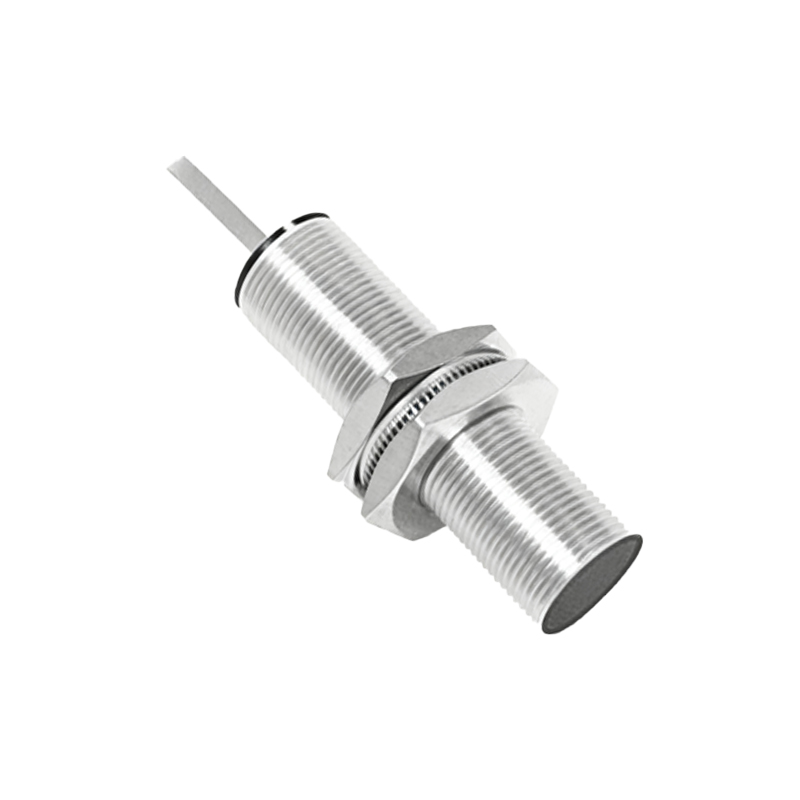
The applications for these sensors are vast across industries. In manufacturing, they are used as limit switches on machine tools to define the travel boundaries of moving parts like slides or tables, preventing over-travel and damage. On conveyor systems, lever-type sensors count bottles, boxes, or parts, or confirm that a item has passed a specific point. In safety systems, they serve as door or guard interlock switches, ensuring a cabinet door or safety gate is securely closed before machinery can operate. Automotive assembly lines, packaging machinery, and material handling equipment all heavily rely on these dependable devices.
Selecting the right mechanical proximity switch requires careful consideration of several parameters. The Operating Force is the amount of force needed to actuate the switch; it must be low enough to be triggered by the target but high enough to avoid accidental activation. Pretravel is the distance the actuator must move from its free position to the point of electrical contact change. Release Force and Overtravel are also critical for understanding the switch's reset behavior and mechanical limits. The Electrical Rating (voltage and current for AC/DC loads) must match the control circuit. The Housing Material (metal or plastic) and Ingress Protection (IP) Rating are chosen based on the environmental conditions, such as exposure to coolant, oil, or washdowns.
While non-contact sensors offer advantages like no physical wear and higher sensing speeds, mechanical switches remain irreplaceable where physical confirmation is paramount, cost is a major constraint, or environmental conditions are too harsh for electronics. Their tactile feedback provides a certainty that is sometimes necessary for critical machine functions and safety interlocks.
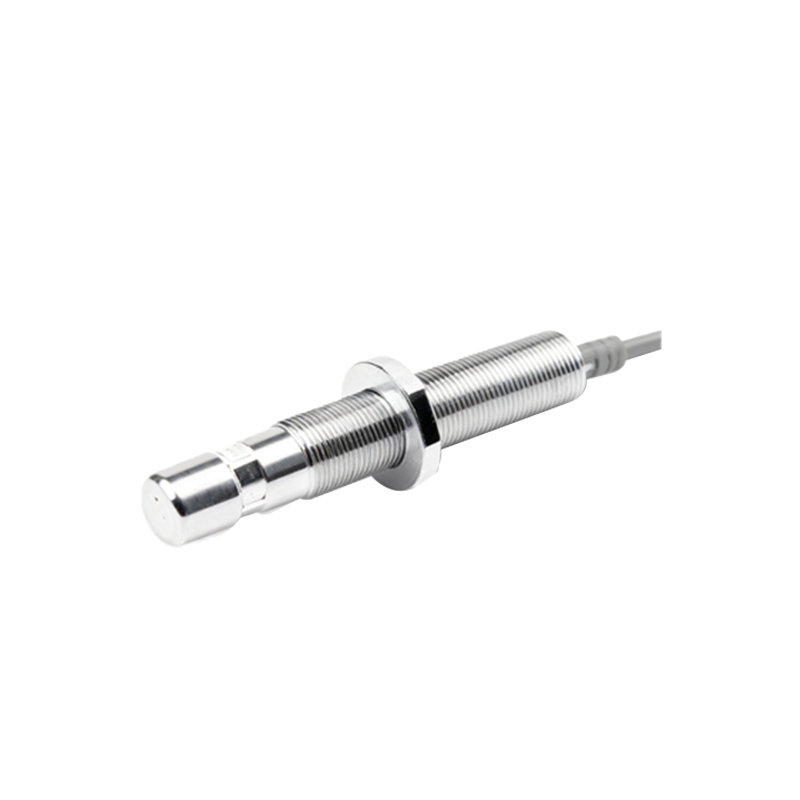
In conclusion, mechanical proximity switch sensors are the workhorses of industrial sensing. Their straightforward principle of operation, combined with mechanical toughness and versatility, ensures they continue to play a vital role in automation. Understanding their types, characteristics, and proper application guidelines is key to implementing reliable and cost-efficient machine control and safety systems.