What is a Proximity Sensor?
A proximity sensor is a non-contact electronic device designed to detect the presence or absence of an object within a specific range without any physical contact. It operates by emitting an electromagnetic field, beam of electromagnetic radiation, or acoustic waves and then looks for changes in the field or return signal. The primary advantage of these sensors is their ability to function reliably in harsh industrial environments where dirt, oil, or moisture might render mechanical switches ineffective. They are fundamental components in automation, robotics, safety systems, and countless consumer electronics, providing critical data for control systems to make decisions. Their non-contact nature ensures minimal wear and tear, leading to high reliability and long operational life.
Core Operating Principles and Types
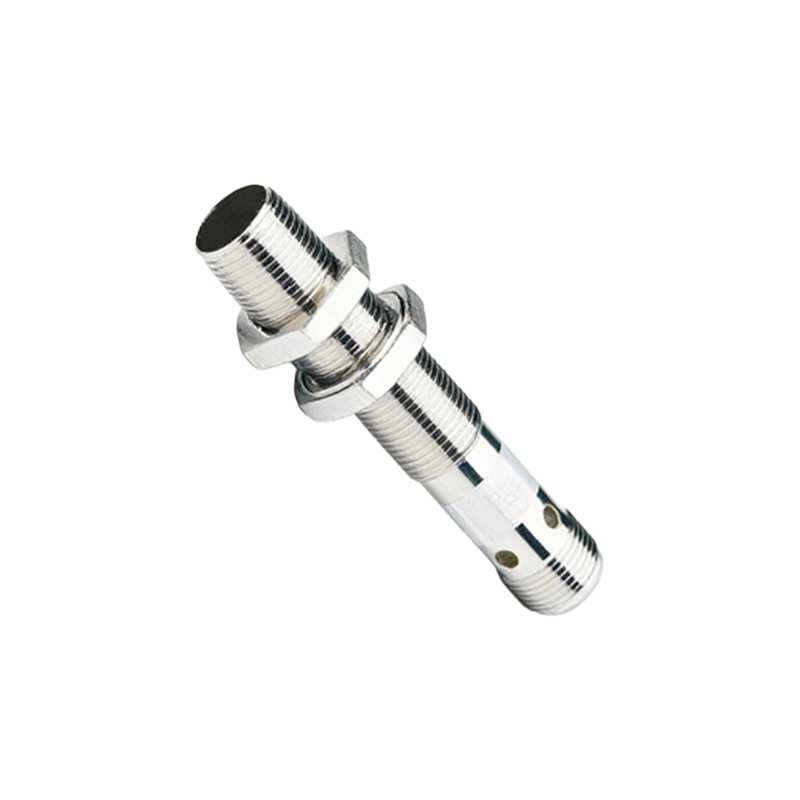
Proximity sensors are categorized based on their underlying detection technology. The most common types include inductive, capacitive, ultrasonic, and photoelectric sensors. Inductive proximity sensors are used to detect metallic objects. They generate an oscillating electromagnetic field from a coil. When a metal target enters this field, it induces eddy currents, which dampen the oscillation amplitude, triggering a detection signal. Capacitive sensors can detect both metallic and non-metallic materials like plastic, wood, or liquids. They measure changes in capacitance between the sensor and the target object. Ultrasonic sensors emit high-frequency sound waves and calculate the time for the echo to return, determining distance. Photoelectric sensors use a light transmitter and receiver to detect objects that interrupt or reflect the light beam.
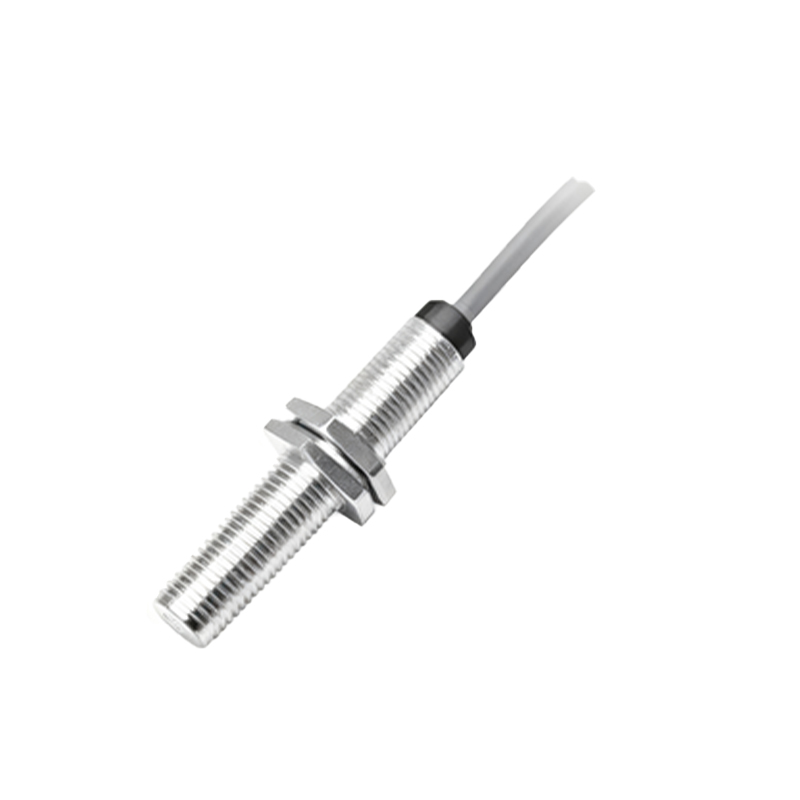
Inductive Proximity Sensors in Detail
Inductive sensors are the workhorses of factory automation, particularly in metalworking, machining, and automotive assembly lines. They are highly resistant to environmental contaminants like dust, chips, and coolants. Key specifications include sensing distance, which is typically short-range (a few millimeters to about 60 mm), and the type of metal detected (ferrous metals like iron and steel are detected at longer ranges than non-ferrous metals like aluminum). They are available in various housing shapes (cylindrical, rectangular) and output configurations (NPN or PNP transistor outputs, normally open or normally closed). Their robustness and speed make them ideal for high-cycle counting, position verification, and limit switching applications.
Capacitive Proximity Sensor Applications
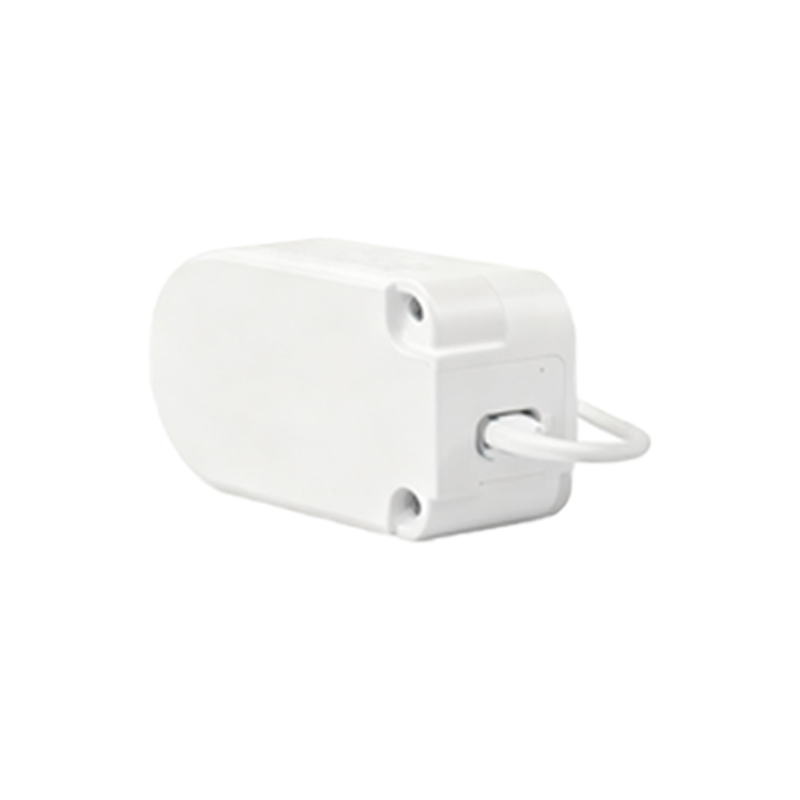
Capacitive sensors offer greater versatility in material detection. Beyond solid objects, they can sense granular materials, powders, and liquids through non-metallic container walls. This makes them invaluable in packaging, food and beverage, chemical, and pharmaceutical industries. For instance, they can detect the fill level of a plastic bottle containing shampoo or the presence of a glass panel on a conveyor. They are sensitive to environmental factors like humidity and temperature, which can be compensated for with built-in calibration controls. Their ability to "see through" certain materials allows for unique installation options where the sensor can be mounted behind a protective cover.
Ultrasonic and Photoelectric Sensors
Ultrasonic sensors excel in applications requiring longer detection ranges and precise distance measurement, regardless of color, transparency, or material (though soft materials may absorb sound). They are used in tank level monitoring, collision avoidance on AGVs (Automated Guided Vehicles), and loop control in web processing. Photoelectric sensors provide the longest sensing ranges among standard proximity types. They come in three main styles: through-beam (separate transmitter and receiver), retro-reflective (uses a reflector), and diffuse (reflective), where the target itself reflects the light back. They are perfect for detecting small objects, transparent films, or precise positioning where other sensors might fail.
Critical Selection Criteria
Choosing the correct proximity sensor requires a systematic analysis of the application. First, identify the target material (metal, plastic, liquid). This immediately narrows the choice to inductive or capacitive. Next, determine the required sensing distance, considering a safety factor. The operating environment is crucial: consider temperature extremes, potential for washdowns (requiring IP67 or IP69K ratings), exposure to chemicals, or heavy vibration. Electrical requirements include the supply voltage (e.g., 10-30 VDC) and output type (NPN sinking or PNP sourcing) to match the PLC or controller input. Finally, physical constraints like housing size, shape, and mounting style (flush or non-flush for inductive) must be considered for proper installation.
Installation and Troubleshooting Tips
Proper installation is key to optimal performance. For inductive sensors, ensure metallic mounting brackets or surrounding metal do not intrude into the sensor's active field, which can cause false triggering. Maintain the specified gap between sensors if multiple units are mounted side-by-side. Always refer to the manufacturer's datasheet for derating curves