Introduction to Photoelectric Sensors in Glass Detection
Photoelectric sensors have become indispensable tools in modern industrial automation, particularly in the detection and inspection of transparent materials like glass. These sensors operate on the principle of converting light signals into electrical signals to detect the presence, position, thickness, or flaws in an object. For glass, a material that poses unique challenges due to its transparency, specialized photoelectric sensing techniques are essential. Unlike detecting opaque objects, glass can allow light to pass through, requiring sensors to be finely tuned to recognize the specific optical properties of the material. The core components typically include an emitter (light source) and a receiver. The emitter projects a beam of light, and the receiver detects changes in this beam caused by the presence or characteristics of the glass. This fundamental principle is adapted into various modes—such as through-beam, retro-reflective, and diffuse-reflective—to suit different glass detection scenarios, from bottle manufacturing on high-speed lines to quality control in window panel production.
Overcoming the Challenge of Transparency
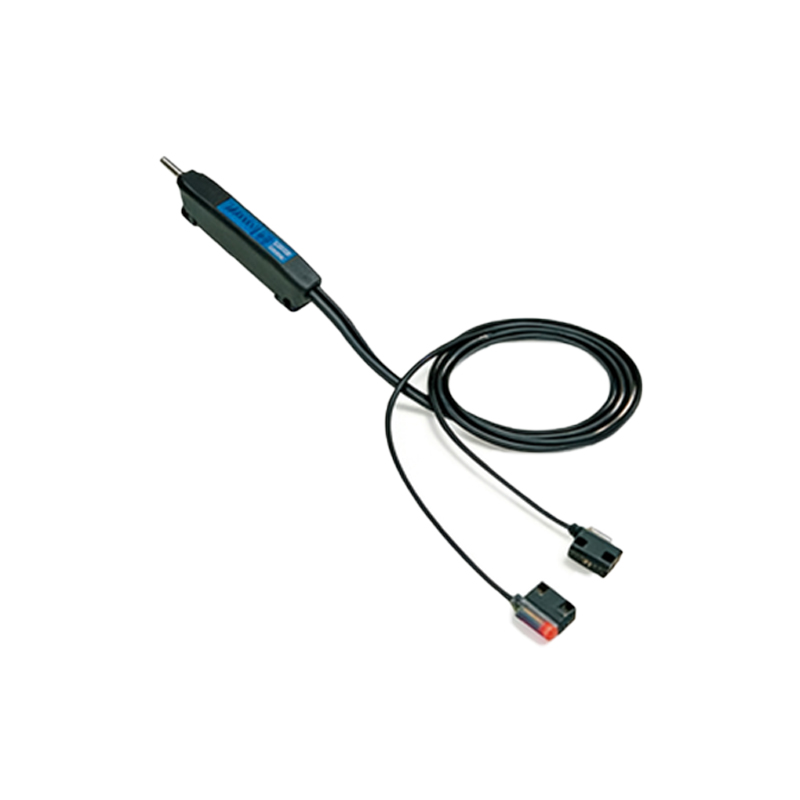
The primary technical hurdle in glass detection is its transparency. Standard diffuse sensors might fail because they rely on light being reflected back from the target's surface. For clear glass, much of the light passes through, resulting in a weak or non-existent signal. To overcome this, engineers employ specific strategies. One common method is using polarized retro-reflective sensors. These sensors emit polarized light and have a receiver that only accepts light that has been depolarized. A standard retro-reflector will reflect light back with the same polarization, which the sensor ignores. However, when a transparent material like glass interrupts the beam, the light often becomes slightly depolarized upon reflection from the glass surface, triggering the sensor. Another advanced technique involves the use of background suppression sensors. These are tuned to detect an object within a precise range, ignoring the background beyond it. For glass sheets, this allows the sensor to reliably detect the leading edge even if the area behind it is open or contains other objects.
Key Application Areas in the Glass Industry
The applications of photoelectric sensors in glass-related industries are vast and critical for efficiency and quality. In container glass manufacturing, such as for bottles and jars, sensors are used for presence detection on conveyor lines, checking for proper positioning before labeling or filling, and inspecting for cracks or chips. In flat glass production for architectural and automotive use, sensors monitor the position of glass sheets during cutting, grinding, and tempering processes. They ensure precise alignment and prevent collisions in automated handling systems. Furthermore, in the electronics industry, photoelectric sensors play a vital role in the production of display panels (LCD, OLED) and touchscreens, detecting the presence of ultra-thin glass substrates during intricate assembly processes. The high-speed, non-contact nature of photoelectric sensing makes it ideal for these environments where precision and reliability are paramount, preventing costly downtime and material waste.
Sensor Selection and Configuration Best Practices
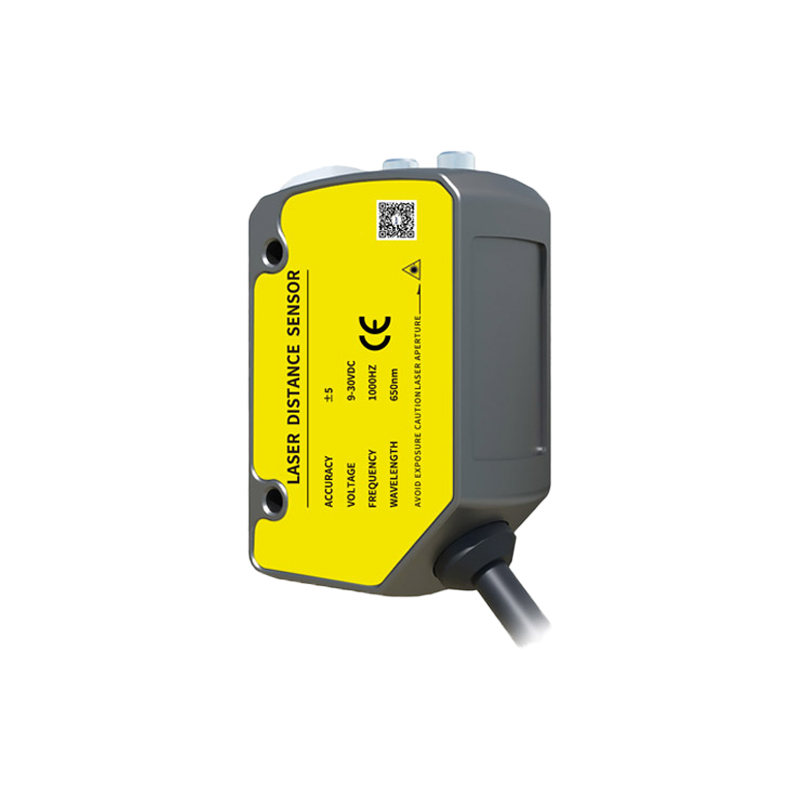
Selecting the right photoelectric sensor for a glass detection task requires careful consideration of several factors. The first is the type of glass: clear, tinted, frosted, or coated. Each has different light transmission and reflection properties. For clear glass, a through-beam sensor is often the most reliable, as it detects the interruption of a direct light beam. For applications where mounting a receiver opposite the emitter is impractical, a polarized retro-reflective sensor is a strong alternative. The sensing range and beam pattern are also crucial; a focused beam is better for detecting small or thin glass pieces. Environmental conditions cannot be ignored. Factors like ambient light (especially from factory windows or high-intensity lamps), dust, condensation, and temperature fluctuations can affect performance. Choosing sensors with robust housings (IP67 or higher), stable LED light sources (often red or laser for better focus), and built-in diagnostics for monitoring lens contamination or alignment drift is considered industry best practice. Regular maintenance and calibration are essential to ensure long-term, fault-free operation.
Advanced Technologies and Future Trends
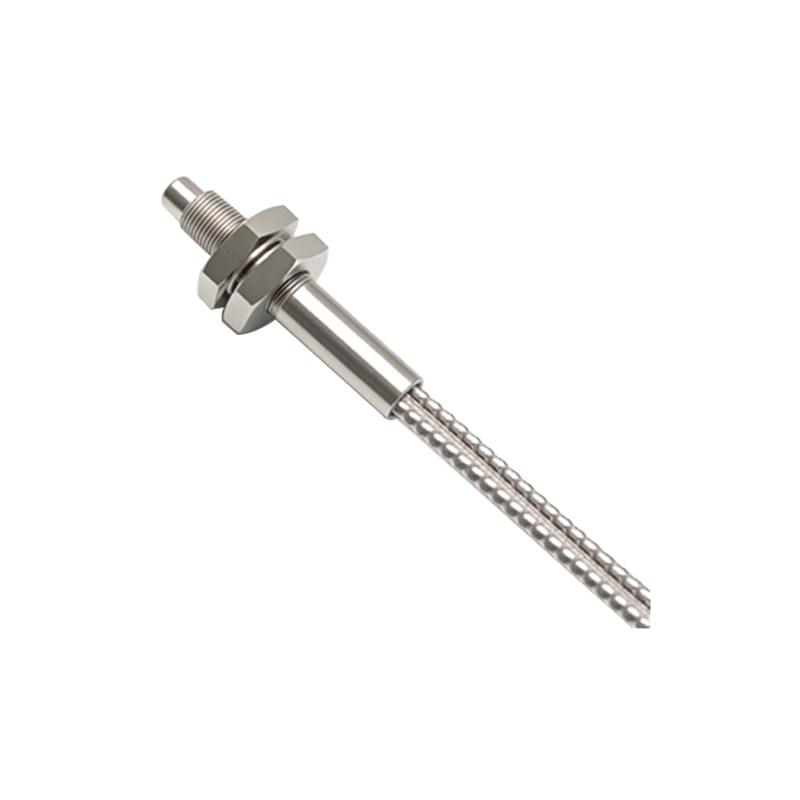
The field of photoelectric sensing for glass detection continues to evolve with advancements in technology. Laser-based sensors are gaining prominence due to their extremely small, precise beam spots, allowing for the detection of very fine edges or the measurement of minute gaps between glass panels. Fiber optic sensors, with their small sensing heads and immunity to electrical noise, are ideal for confined spaces or high-temperature areas near glass furnaces or tempering ovens. Furthermore, the integration of IO-Link communication is becoming a standard. This smart sensor technology allows for remote parameter setting, continuous condition monitoring, and the transmission of detailed diagnostic data to control systems, facilitating predictive maintenance and Industry 4.0 integration. Looking ahead, the combination of photoelectric sensors with machine vision systems for comprehensive surface flaw detection, and the use of multi-spectral sensing to differentiate between glass types or detect nearly invisible coatings, represent the cutting edge of glass inspection technology.