Introduction to 6-Wire Proximity Sensors
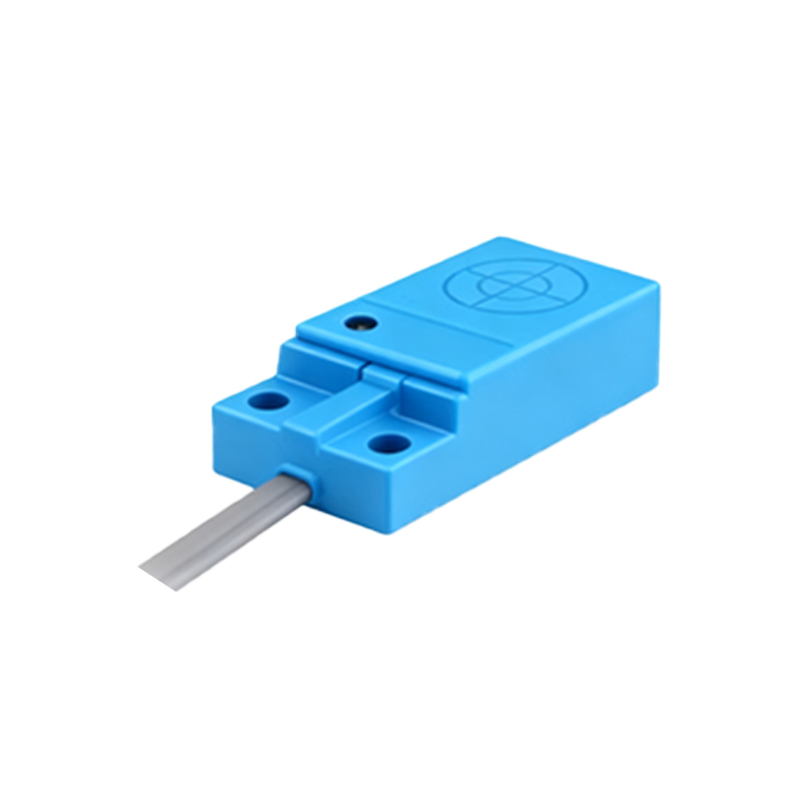
In industrial automation, proximity sensors play a critical role in detecting the presence or absence of objects without physical contact. Among various configurations, the 6-wire proximity sensor stands out for its enhanced functionality and reliability. These sensors are essentially advanced versions of standard 3-wire sensors, incorporating additional wires to provide separate connections for the sensor's output signal and a diagnostic or auxiliary function. Typically, a 6-wire sensor includes two wires for power supply (usually 10-30V DC), two wires for the primary output (often a solid-state switch like an NPN or PNP transistor), and two wires for a complementary output or status indication. This design allows for more sophisticated monitoring and control, making them ideal for complex machinery where operational integrity is paramount.
Internal Circuitry and Wiring Configuration
The core advantage of a 6-wire proximity sensor lies in its internal circuitry, which enables dual-channel outputs. Commonly, one output channel serves as the main switching function, handling the primary detection task, while the second channel provides a mirrored or inverted signal, or a diagnostic feedback such as a short-circuit or overload indication. For instance, in a typical setup, wires 1 and 2 connect to the DC power source, wires 3 and 4 link to the primary load (e.g., a PLC input), and wires 5 and 6 are dedicated to the secondary output for monitoring purposes. This configuration ensures that if the primary circuit fails, the secondary channel can trigger an alarm or safety shutdown, thereby preventing equipment damage. Engineers must carefully follow manufacturer datasheets to correctly wire these sensors, as incorrect connections can lead to malfunction or false readings.
Key Features and Technical Specifications
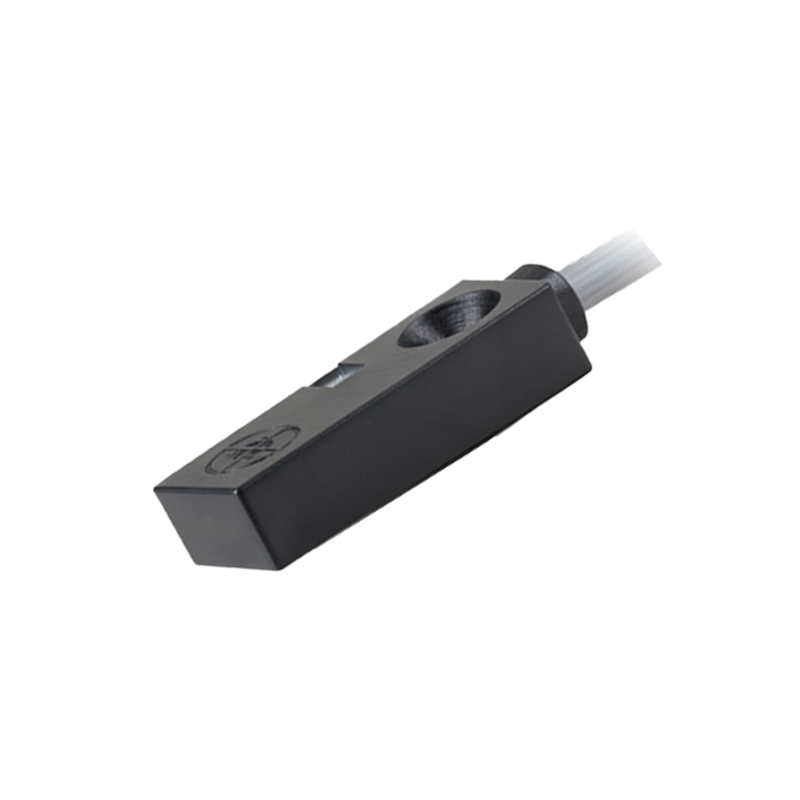
6-wire proximity sensors offer several distinctive features that enhance their performance in harsh industrial environments. They typically boast high switching frequencies, often up to 5 kHz, allowing for rapid detection in high-speed applications like packaging lines. The sensing range varies based on the model, with standard inductive types detecting metallic objects from 2 to 15 mm. Many models come with IP67 or higher ingress protection ratings, making them resistant to dust, water, and oil splashes. Additionally, these sensors often include LED indicators for both power and output status, simplifying troubleshooting. Technically, the dual outputs can be configured as normally open (NO) or normally closed (NC), providing flexibility in circuit design. It's crucial to consider factors like operating voltage, current capacity, and temperature range (-25°C to 70°C is common) when selecting a sensor for specific applications.
Applications in Industrial Automation
The versatility of 6-wire proximity sensors makes them indispensable across various industries. In automotive manufacturing, they are used for precise position sensing in robotic arms, ensuring accurate welding or assembly. In material handling systems, these sensors monitor conveyor belt movements, detecting jams or misaligned products. The diagnostic capability is particularly valuable in critical processes, such as in pharmaceutical production, where any sensor failure could compromise product quality. For example, if a sensor detects a missing bottle cap, the primary output might stop the line, while the secondary output logs the fault for maintenance review. This dual functionality reduces downtime by enabling predictive maintenance, as technicians can address issues before they escalate.
Installation and Maintenance Best Practices
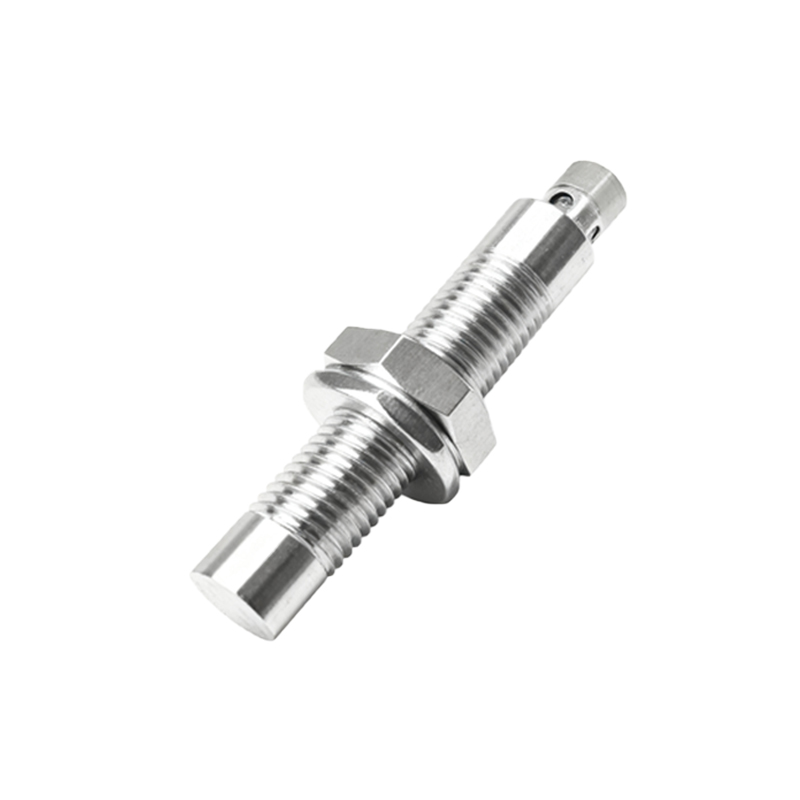
Proper installation is key to maximizing the lifespan and accuracy of 6-wire proximity sensors. Mount them securely using brackets to minimize vibration effects, and ensure adequate clearance from other metal objects to avoid interference. During wiring, use shielded cables to reduce electromagnetic noise, especially in environments with motors or frequency drives. Regular maintenance involves cleaning the sensor face to prevent buildup of contaminants like grease, which can attenuate the sensing field. Check connections periodically for corrosion or looseness, and verify output signals with a multimeter or oscilloscope if anomalies occur. Most manufacturers recommend calibrating these sensors annually, though this may vary based on usage intensity. By adhering to these practices, plants can achieve reliable operation and extend sensor service life.
Comparison with Other Sensor Types
When compared to 3-wire or 4-wire proximity sensors, 6-wire models offer superior diagnostic features but at a higher cost and complexity. A 3-wire sensor, with basic power and output connections, suffices for simple on/off detection, while a 4-wire version might include an additional wire for a separate output or power option. However, neither provides the dedicated diagnostic channel found in 6-wire sensors. In contrast, 2-wire sensors are simpler to install but lack the precision and fail-safe capabilities. For