Introduction to Contact-Type Proximity Sensors
Contact-type proximity sensors are essential components in industrial automation, designed to detect the presence or absence of objects through physical contact. Unlike non-contact sensors that rely on electromagnetic or optical principles, these sensors operate by making direct touch with the target, ensuring high reliability in harsh environments where dust, moisture, or interference might affect other types. They are widely used in manufacturing, robotics, and safety systems due to their durability and straightforward operation. Typically, these sensors consist of a mechanical actuator that triggers an electrical switch upon contact, converting physical force into a signal for control systems. Their simplicity makes them cost-effective for applications requiring precise detection without complex calibration.
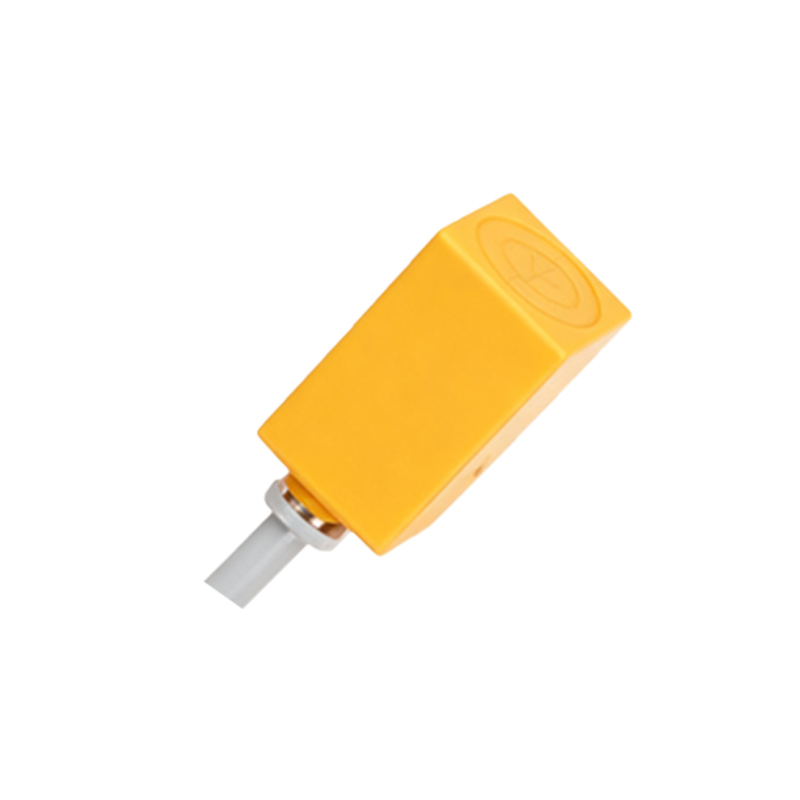
Mechanical Limit Switches
Mechanical limit switches are among the most common contact-type proximity sensors. They feature a lever, plunger, or roller actuator that moves when it contacts an object, thereby opening or closing an electrical circuit. These switches are highly versatile and can be configured for various actuation forces and travel distances. In industrial settings, they are often employed for position sensing, end-of-travel detection in machinery, and safety interlocks. Their robust construction allows them to withstand high mechanical stress, making them suitable for heavy-duty applications like conveyor systems or press machines. However, they may experience wear over time due to physical contact, requiring periodic maintenance to ensure accuracy.
Touch Sensors and Tactile Switches
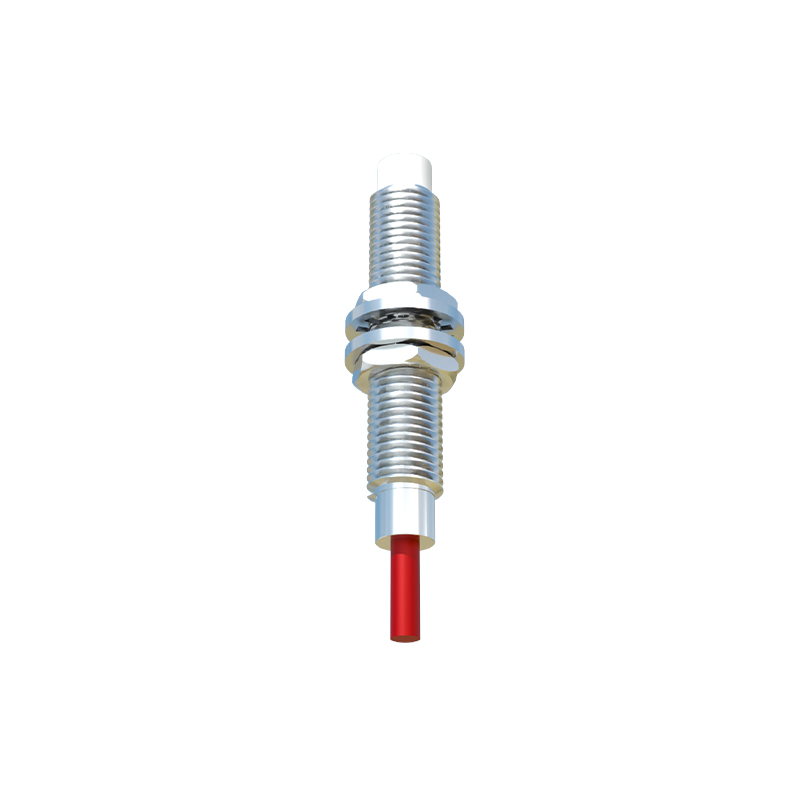
Touch sensors and tactile switches are specialized contact-type sensors that respond to light pressure or direct human interaction. Commonly found in consumer electronics and industrial control panels, these sensors use conductive materials or micro-switches to register contact. In automation, they serve as manual override buttons or emergency stops, providing immediate feedback when activated. Their design prioritizes sensitivity and quick response, often incorporating sealed housings to protect against environmental factors. While less durable than mechanical limit switches in high-impact scenarios, they excel in applications requiring precise touch detection, such as robotic grippers or assembly line quality checks.
Pressure-Activated Proximity Sensors
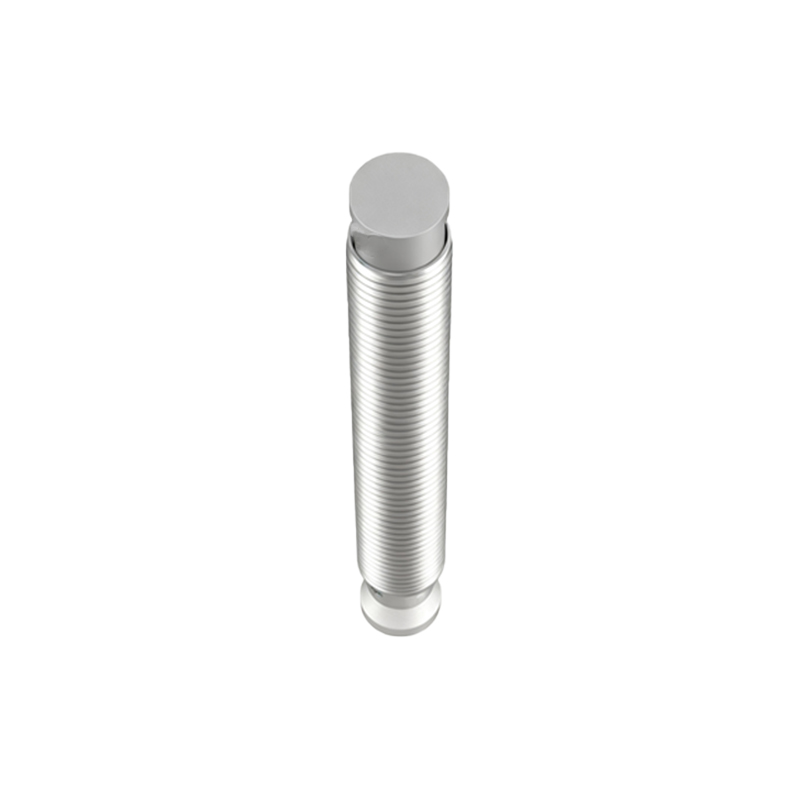
Pressure-activated sensors operate by detecting force applied to a sensing surface, triggering a signal when a predefined threshold is reached. These sensors include devices like pressure mats and force-sensitive resistors, which are used in safety systems to detect personnel presence or monitor load conditions. In industrial contexts, they are integrated into machinery guards or floor mats to halt operations if an obstruction is detected, enhancing workplace safety. Their contact-based mechanism ensures reliable performance even in noisy electrical environments, though they may require calibration to maintain sensitivity over extended use.
Applications and Selection Criteria
Contact-type proximity sensors are chosen based on factors such as environmental conditions, required lifespan, and detection accuracy. In automotive manufacturing, mechanical limit switches ensure precise part positioning, while tactile switches enable operator controls in CNC machines. For harsh environments like mining or chemical plants, sealed contact sensors prevent contamination and failure. When selecting a sensor, engineers must consider actuation force, response time, and maintenance needs. Although non-contact alternatives offer advantages in speed and wear resistance, contact sensors remain preferred for applications demanding physical feedback and high torque tolerance. Regular testing and adherence to industry standards, like IEC 60947-5-1, ensure optimal performance and safety.
Future Trends and Innovations
Advancements in materials and miniaturization are driving evolution in contact-type proximity sensors. Smart sensors with integrated diagnostics and IoT connectivity are emerging, allowing real-time monitoring of wear and performance. For instance, self-lubricating actuators reduce maintenance needs, while hybrid designs combine contact and non-contact elements for enhanced versatility. In robotics, compliant tactile sensors mimic human touch, enabling delicate object handling. As industries prioritize efficiency and safety, these innovations will expand the role of contact sensors in automated systems, though their core principle of physical detection will remain unchanged for reliability-critical tasks.