Introduction to Proximity Sensors
Proximity sensors are vital components in modern industrial automation and electronic systems. They are non-contact devices designed to detect the presence or absence of an object within a specified range without any physical contact. This fundamental capability makes them indispensable for tasks requiring precision, reliability, and durability in harsh environments. Unlike mechanical limit switches, proximity sensors offer a longer operational life and higher switching rates, as there is no physical wear from repeated contact. Their operation is based on the perturbation of an electromagnetic field, acoustic wave, or beam of light, depending on the specific technology employed. From assembly lines and robotics to consumer electronics and automotive safety systems, these sensors form the silent, intelligent backbone of countless automated processes, enabling machines to "sense" their surroundings and react accordingly.
Primary Operating Principles and Types
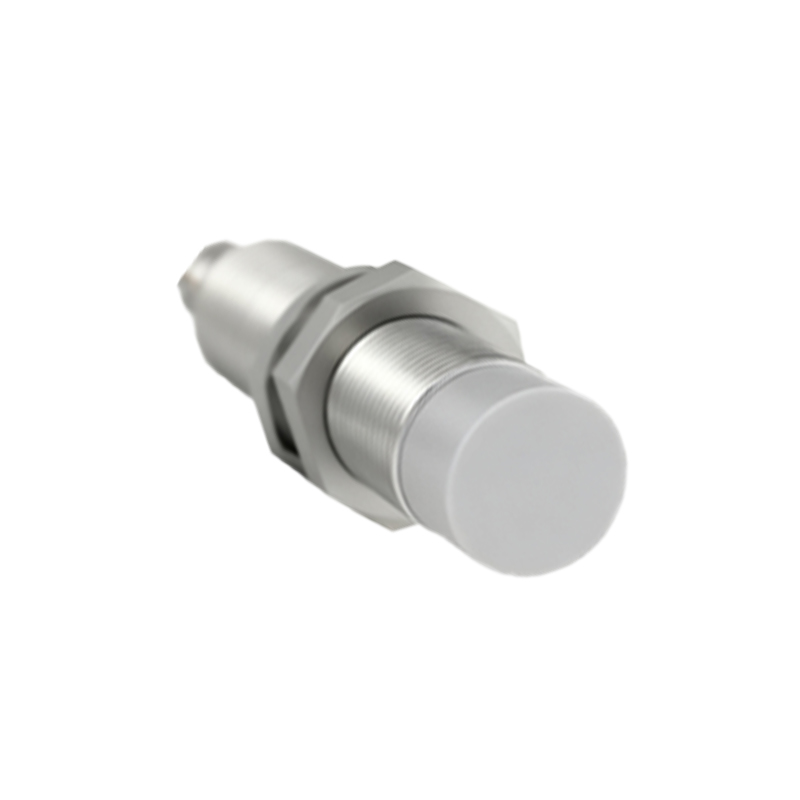
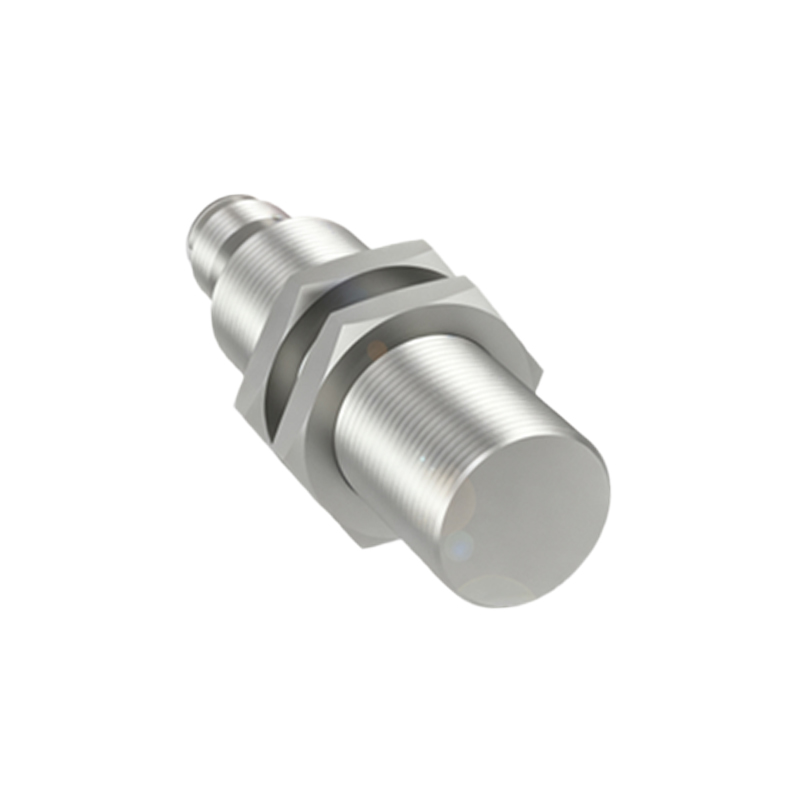
Proximity sensors are categorized based on their underlying detection technology. The most common types include inductive, capacitive, ultrasonic, and photoelectric sensors. Inductive proximity sensors are the workhorses of metal detection. They generate an oscillating electromagnetic field. When a metallic object enters this field, it induces eddy currents, causing a change in the oscillation amplitude. This change is detected by the sensor's circuitry, triggering an output signal. They are ideal for detecting ferrous and non-ferrous metals but are ineffective for non-metallic materials. Capacitive proximity sensors, on the other hand, can detect both metallic and non-metallic materials, including liquids, powders, and plastics. They function by generating an electrostatic field. Any object that enters this field alters its capacitance, which is then measured to determine presence.
Photoelectric and Ultrasonic Sensor Variants
Photoelectric sensors utilize a light emitter, typically an LED, and a receiver. They detect objects by interpreting changes in the received light signal. These are further divided into through-beam, retro-reflective, and diffuse-reflective types. Through-beam sensors have separate emitter and receiver units, offering the longest sensing ranges and highest reliability. Retro-reflective types use a single unit and a reflector, while diffuse sensors rely on light reflected directly from the target object. Ultrasonic sensors operate on a principle similar to sonar. They emit high-frequency sound waves and measure the time it takes for the echo to return after bouncing off an object. This technology is excellent for detecting objects of various materials, colors, and transparency levels, and is particularly useful for distance measurement and level sensing in challenging conditions like dust or fog.
Key Specifications and Performance Parameters
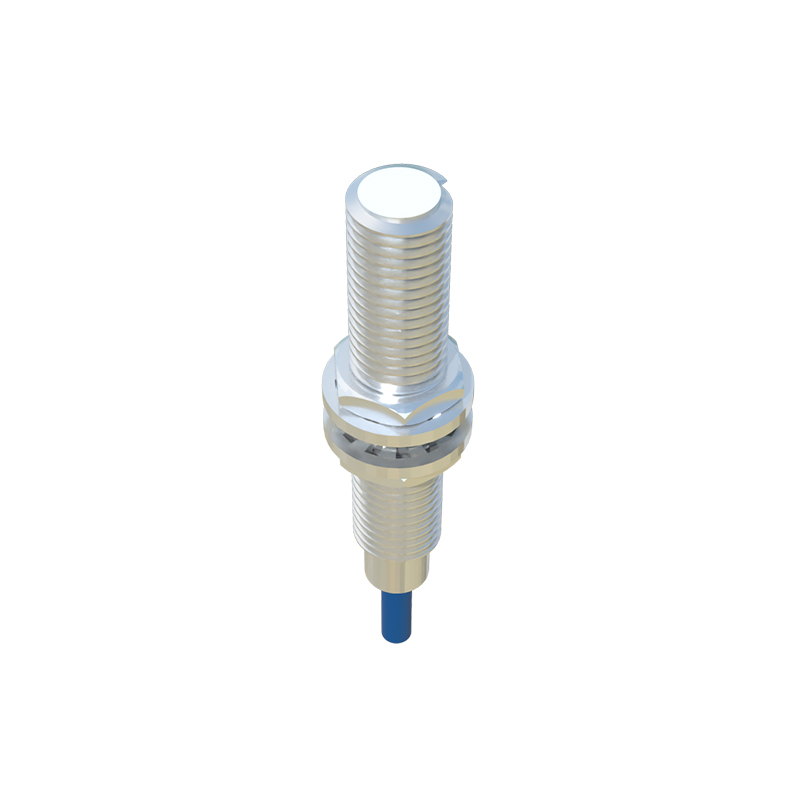
Selecting the right proximity sensor requires a careful analysis of its specifications. The sensing range, or nominal range, is the maximum distance at which the sensor can reliably detect a standard target. It is crucial to note that the effective range can vary with target material, size, and shape. The repeat accuracy defines how consistently the sensor can detect an object at the same point. Switching frequency indicates how many times per second the sensor can toggle its output, a critical factor in high-speed applications. Environmental factors like temperature ratings, ingress protection (IP) codes for dust and water resistance, and resistance to chemicals or welding spatter must also be considered. Furthermore, the output type—whether NPN, PNP, analog, or IO-Link—must be compatible with the control system's input module.
Industrial Applications and Use Cases
The applications of proximity sensors span virtually every industry. In manufacturing, they are used for part counting, jam detection, end-of-travel positioning, and verifying the presence of components on an assembly line. Inductive sensors are commonly found on CNC machine tools for tool positioning and on conveyors to detect metal parts. Capacitive sensors are employed in packaging lines to detect liquid levels in bottles or the presence of cardboard boxes. Photoelectric sensors are essential in material handling for detecting transparent films or small objects. In the automotive sector, they are integral to robotic welding arms and automated paint shops. Beyond heavy industry, they are embedded in consumer devices; for instance, capacitive sensors deactivate smartphone touchscreens during a call, and inductive sensors measure wheel speed for anti-lock braking systems (ABS).
Installation Considerations and Best Practices
Proper installation is paramount for optimal sensor performance. Mounting proximity sensors requires attention to their "field of view." Inductive and capacitive sensors have a conical or cylindrical sensing field, so adjacent metal structures or other sensors can cause interference or false triggering—a phenomenon known as flanking. Maintaining the recommended mounting distances between sensors and from surrounding metal is essential. For photoelectric sensors, keeping the lens clean from dust, oil, or debris is critical. Environmental factors like strong ambient light can affect photoelectric sensors, while heavy vibration can impact all types. Electrical wiring should follow manufacturer guidelines