Introduction to Electromagnetic Proximity Sensors
Electromagnetic proximity switch sensors, often simply called inductive proximity sensors, are fundamental components in industrial automation and control systems. These non-contact devices detect the presence or absence of metallic objects without any physical contact. Operating on the principle of electromagnetic induction, they generate an oscillating electromagnetic field from a coil within the sensor head. When a conductive metal target enters this field, eddy currents are induced on the target's surface. This causes a change in the oscillation amplitude or frequency within the sensor's internal circuit. The sensor's electronics detect this change and trigger a solid-state output switch, signaling the object's presence. This robust operating principle makes them exceptionally reliable for harsh industrial environments where dust, oil, or moisture are present, as the sensing face can be sealed completely.
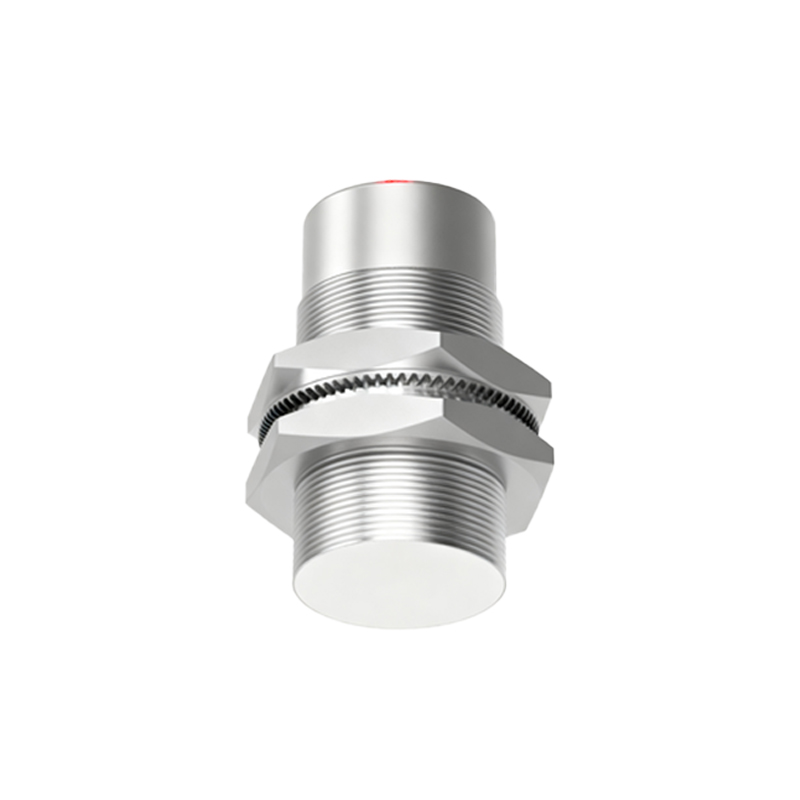
Core Operating Principles and Internal Design
The heart of an electromagnetic proximity sensor is its oscillator circuit, which includes a coil wound around a ferrite core. This setup creates the high-frequency electromagnetic field. A detection circuit continuously monitors the status of this oscillator. For a standard sensor, the introduction of a metal target dampens the oscillations. A signal evaluation circuit, often incorporating a Schmitt trigger, processes this change. Once the damping exceeds a predefined threshold, the output stage is activated. This output is typically a transistor (PNP or NPN) that switches the load connected to it. Advanced sensors include additional circuitry for protection against short-circuits, overload, and reverse polarity. The sensing range, known as the nominal sensing distance (Sn), is standardized and depends on the sensor's size and the target material. It's crucial to note that the effective sensing distance varies with different metals; for instance, steel is the reference material, while sensing distances for aluminum, brass, or copper are reduced due to their different electrical conductivity and permeability.
Key Characteristics and Technical Specifications
Several critical parameters define the performance of an electromagnetic proximity sensor. The nominal sensing distance (Sn) is the theoretical detection range under standardized conditions. The operating voltage range specifies the DC or AC voltages the sensor can accept, commonly 10-30V DC or 20-250V AC. Output configuration is vital, specifying whether it is a PNP (sourcing) or NPN (sinking) transistor output, normally open (NO) or normally closed (NC). The switching frequency indicates how many on/off cycles per second the sensor can handle, which is crucial for high-speed applications. Another essential specification is the housing material and protection class (IP or NEMA rating), which determines its resistance to environmental factors like coolants, chips, or washdowns. Temperature range, hysteresis (the difference between the switch-on and switch-off points), and repeat accuracy are also key selection criteria for precision applications.
Primary Industrial Applications and Use Cases
The applications for electromagnetic proximity sensors are vast across manufacturing and process industries. A primary use is in position detection on automated machinery, such as verifying the presence of a part on a conveyor, checking the end position of a cylinder, or counting metal objects. They are indispensable in machine tools for tool presence detection, spindle orientation, and pallet positioning. In material handling, they monitor the position of cranes, elevators, and automated guided vehicles (AGVs). Their robustness makes them ideal for safety interlocks on guards and doors. Furthermore, they are used in automotive assembly lines for part verification, in packaging machinery for fill-level control of metal containers, and in metalworking for detecting broken taps or drills. Their ability to function without contact eliminates mechanical wear and ensures long-term reliability.
Advantages Over Other Sensing Technologies
Electromagnetic proximity sensors offer distinct benefits that solidify their place in industrial settings. Their non-contact nature means no moving parts subject to wear, leading to a virtually infinite mechanical lifespan. They provide high switching speeds and fast response times, suitable for rapid production cycles. Since the sensing face can be made from robust materials like PTFE or nickel-plated brass, they are highly resistant to physical damage, dirt, and liquids. They are generally unaffected by ambient light, making them more stable than optical sensors in dirty environments. Compared to mechanical limit switches, they are faster, more reliable, and require no actuation force. While capacitive sensors can detect non-metals, inductive sensors are more precise and stable for metal detection and are typically immune to false triggers from materials like wood, plastic, or fluids.
Critical Selection and Installation Guidelines
Selecting the correct sensor requires careful consideration. First, identify the target material (e.g., mild steel, stainless steel, aluminum) and size, as these affect the sensing distance. The required mounting style—flush, non-flush, or threaded barrel—