Introduction to Photoelectric Sensors in Smartphones
Modern smartphones are equipped with a variety of photoelectric sensors that enhance functionality and user experience. These sensors detect light and convert it into electrical signals, enabling features like automatic brightness adjustment, proximity sensing, and camera optimization. As smartphones evolve, the number and sophistication of these sensors have increased, making them integral to daily device interaction. Understanding their roles helps users appreciate the technology behind seamless smartphone operations.
Ambient Light Sensor (ALS)
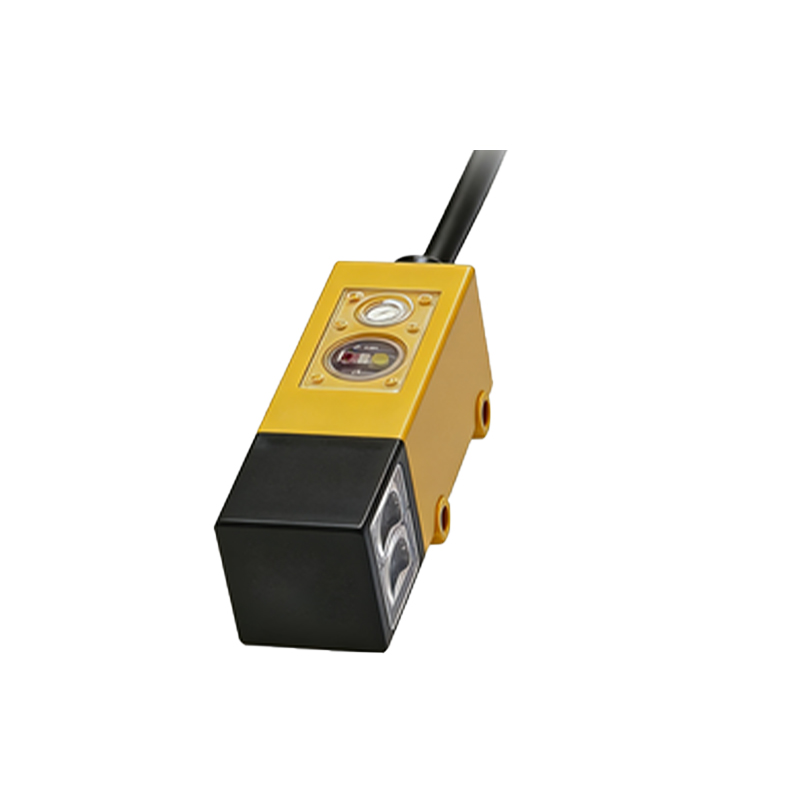
The ambient light sensor is a common photoelectric component found in nearly all smartphones. It measures the intensity of surrounding light to automatically adjust screen brightness, conserving battery life and reducing eye strain. Typically located near the front camera or earpiece, this sensor uses a photodiode to detect visible light. Advanced versions may incorporate infrared filters to improve accuracy in varying lighting conditions, ensuring optimal display performance indoors and outdoors.

Proximity Sensor
Proximity sensors utilize infrared (IR) light-emitting diodes (LEDs) and photodetectors to detect nearby objects, such as when a phone is held to the ear during a call. This prevents accidental screen touches and saves power by turning off the display. The sensor emits IR light and measures its reflection; if an object is close, the screen deactivates. This technology is crucial for user convenience and safety, often integrated with other front-facing components.
Camera Image Sensors
Smartphone cameras rely heavily on photoelectric image sensors, primarily CMOS (Complementary Metal-Oxide-Semiconductor) types. These sensors capture light through lenses and convert it into digital images, with pixel count and size affecting photo quality. Multiple cameras in modern devices—like wide, ultra-wide, and telephoto lenses—each have dedicated sensors. Additionally, features like HDR and low-light enhancement depend on sensor sensitivity and processing algorithms, driving continuous innovation in mobile photography.
Fingerprint Sensors (Optical Type)
Optical fingerprint sensors are another photoelectric application, commonly embedded under displays. They use light to scan fingerprint patterns: when a finger touches the screen, an LED illuminates the fingerprint, and a sensor captures the reflected light to create a digital map. This method offers fast authentication but may be less secure than ultrasonic alternatives. Despite this, optical sensors remain popular for their cost-effectiveness and integration ease in mid-to-high-end smartphones.
IR Blaster and Face Recognition
Some smartphones include an IR blaster, which emits infrared light to control appliances like TVs, acting as a remote. While not a sensor per se, it uses photoelectric principles. For face recognition, advanced systems like Apple's Face ID employ dot projectors and IR sensors to map facial features in 3D. These sensors project invisible IR dots onto the face, with an IR camera analyzing the pattern for secure authentication, even in low light.
Health and Environmental Sensors
High-end models may feature specialized photoelectric sensors for health monitoring, such as pulse oximeters that measure blood oxygen levels using red and IR light. Environmental sensors, like those for UV light detection, are rarer but emerging in niche devices. These applications showcase the versatility of photoelectric technology, extending smartphones' roles beyond communication to wellness and environmental awareness tools.
Future Trends and Integration
The future of photoelectric sensors in smartphones points toward miniaturization and multifunctionality. Innovations like under-display cameras and all-screen designs will drive sensor integration deeper into hardware. AI and machine learning may enhance sensor data processing, enabling real-time adaptations for photography, security, and health. As 5G and IoT expand, smartphones could incorporate more sensors for augmented reality and environmental sensing, further blurring lines between devices and smart ecosystems.
Conclusion on Sensor Count and Impact
A typical smartphone contains at least three to five core photoelectric sensors—ambient light, proximity, and camera sensors—with additional ones like optical fingerprint or IR face recognition in premium models. The exact count varies by brand and model, but these components collectively enable intuitive interactions and advanced features. As technology progresses, the number may grow, but the focus will remain on improving accuracy, efficiency, and user-centric applications, solidifying photoelectric sensors as pillars of smartphone innovation.