Introduction to Proximity Switch Sensors in Crane Systems
In the demanding environment of industrial material handling, overhead cranes are indispensable workhorses. Their safe, precise, and reliable operation is paramount, and this is where proximity switch sensors play a critical, often understated role. These non-contact electronic devices are the silent guardians of crane systems, providing essential feedback for control and safety functions. Unlike mechanical limit switches that require physical contact, proximity sensors detect the presence or absence of a metallic target object without any direct touch. This fundamental characteristic makes them exceptionally reliable, durable, and maintenance-free, which is crucial for the harsh conditions often found in factories, steel mills, and shipping yards. Their integration into crane control systems marks a significant advancement from older, wear-prone mechanical systems.
Core Operating Principles and Technologies
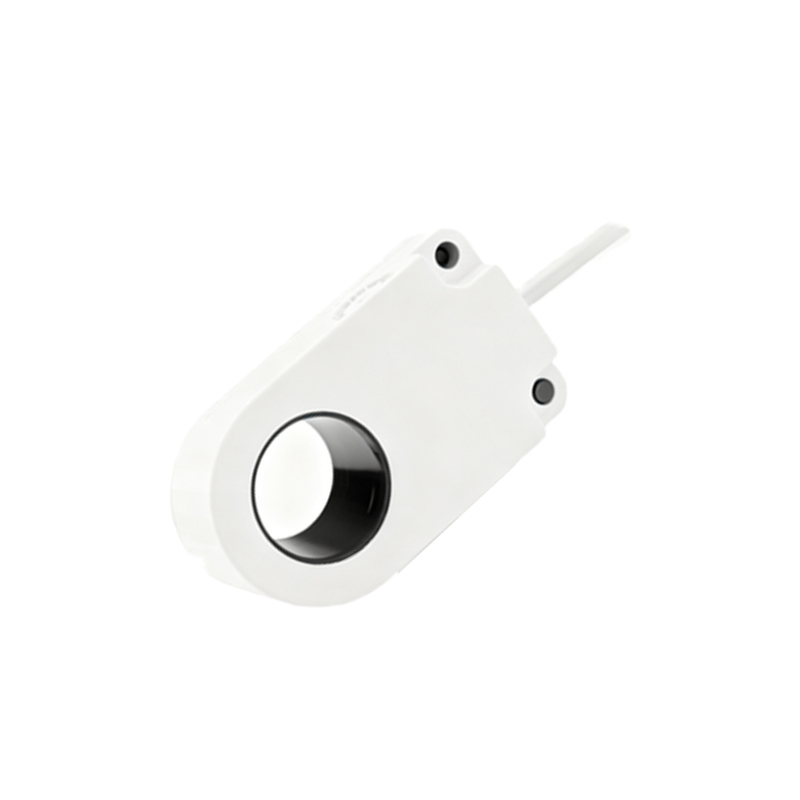
Proximity sensors for cranes primarily operate on two key principles: inductive and magnetic sensing. Inductive proximity sensors are the most common type used in crane applications. They generate an oscillating electromagnetic field from a coil in their sensing face. When a metallic target, such as a steel flag or the crane structure itself, enters this field, it induces eddy currents that dampen the oscillation. The sensor's internal circuitry detects this change and triggers a solid-state output signal. Magnetic proximity sensors, or reed switches, operate differently. They consist of two ferromagnetic reeds sealed in a glass tube filled with inert gas. When a permanent magnet, mounted on a moving part of the crane, comes near, the reeds magnetize and attract each other, closing the electrical contact. Each technology has its niche: inductive sensors are robust for general position detection, while magnetic sensors are ideal for absolute position sensing in hoist limit systems.
Critical Applications on Overhead Cranes
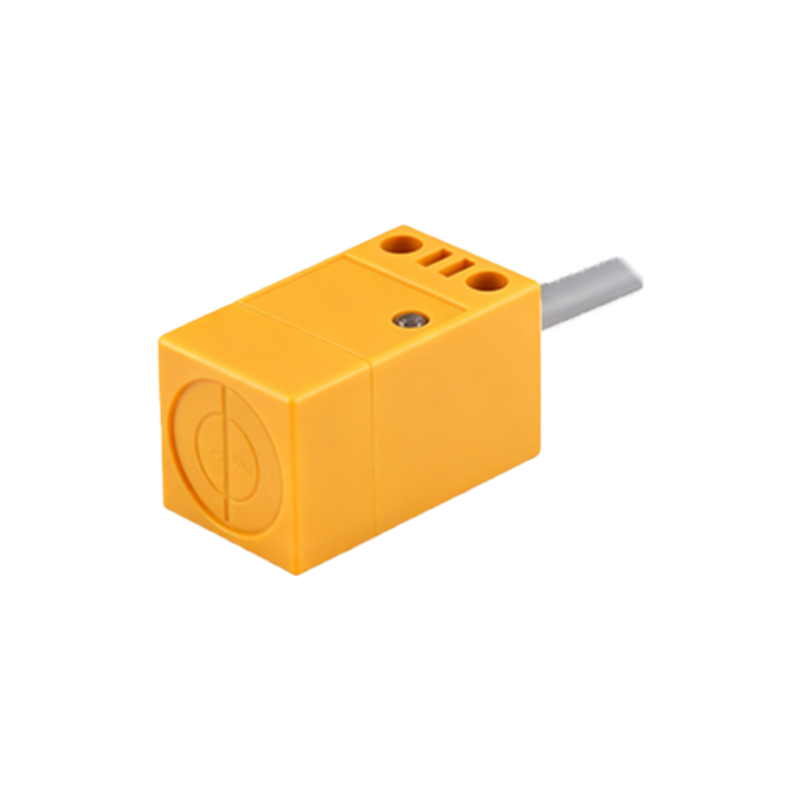
The deployment of proximity sensors on an overhead crane is multifaceted, targeting both operational control and critical safety. One of the most vital applications is in the upper and lower limit switches for the hoist mechanism. Sensors are positioned to detect when the hook block approaches its maximum safe travel distance, immediately cutting power to the hoist motor to prevent over-travel and catastrophic "two-blocking" or hook collision with the drum. Similarly, sensors are used for trolley and bridge travel limit switching, defining the crane's operational envelope along the runway and bridge girders. They also serve as positioning references for automated crane systems, providing repeatable stop points for load pickup and drop-off. Furthermore, they can monitor the status of access doors, panel closures, and brake wear indicators, ensuring all safety enclosures are secured before operation.
Key Selection Criteria for Optimal Performance
Selecting the right proximity sensor for a crane application requires careful consideration of several technical and environmental factors. The sensing range, or the distance at which the sensor can reliably detect the target, must be specified with a safety margin, considering potential mechanical misalignment or vibration. The housing material is critical; sensors with nickel-plated brass or stainless-steel housings offer superior resistance to physical impact, corrosion, and washdowns common in industrial settings. The electrical output type—typically NPN (sinking) or PNP (sourcing)—must be compatible with the crane's programmable logic controller (PLC) or relay logic. Environmental ratings are non-negotiable; a high Ingress Protection (IP) rating (e.g., IP67 or IP69K) ensures resilience against dust and water jets. Finally, the operating temperature range must withstand the ambient conditions of the facility.
Installation, Alignment, and Maintenance Best Practices
Proper installation is the foundation of reliable sensor performance. Mounting must be rigid to prevent movement due to crane vibration or accidental impacts. The alignment between the sensor's sensing face and the target is crucial; even a small angular misalignment can significantly reduce the effective sensing range. Targets should be made of a ferrous metal like mild steel for optimal response with inductive sensors and should be of adequate size and thickness. While proximity sensors are virtually maintenance-free, a proactive approach is recommended. This includes periodic visual inspections for physical damage, checking mounting hardware for tightness, and verifying operation through functional tests during routine crane maintenance schedules. Keeping the sensing face clean from metallic dust buildup is also essential to prevent false triggering.
Advantages Over Traditional Mechanical Switches
The transition from mechanical limit switches to electronic proximity sensors offers substantial benefits. The absence of moving parts subject to wear and tear translates to dramatically longer service life and reduced downtime for replacements. Their non-contact operation eliminates issues like contact bounce, arcing, and mechanical failure from repeated impact. They provide much faster response times, enabling higher precision in high-speed automated crane systems. Furthermore, their solid-state design allows for incredibly