Understanding Proximity Sensing Fundamentals
Proximity sensors are foundational components in industrial automation, robotics, and consumer electronics, designed to detect the presence or absence of an object within a specified range without physical contact. Traditional proximity sensors, such as inductive, capacitive, and photoelectric types, operate on well-established principles. Inductive sensors generate an electromagnetic field to detect metallic objects, while capacitive sensors respond to changes in capacitance caused by conductive or non-conductive materials. Photoelectric sensors, often using infrared (IR) LEDs, detect objects by measuring the reflection or interruption of a light beam. These technologies excel in specific applications but are generally limited to short-range detection and provide primarily binary (on/off) output or simple analog distance information over very limited ranges. Their operation is often susceptible to environmental factors like ambient light, color, and material composition of the target.
The Emergence of Direct Time-of-Flight (dToF)
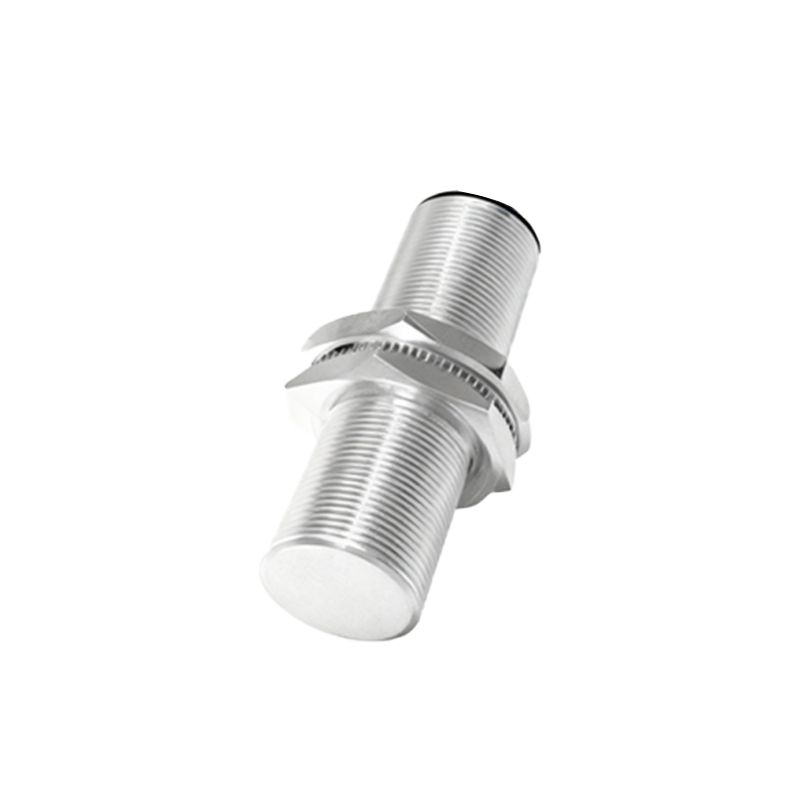
Direct Time-of-Flight (dToF) represents a significant leap in optical sensing technology. At its core, dToF measures the time it takes for a modulated light signal, typically from a vertical-cavity surface-emitting laser (VCSEL), to travel to a target and back to a specialized sensor. This elapsed time is directly proportional to the distance. The system utilizes single-photon avalanche diodes (SPADs) or other high-speed photodetectors paired with precise timing circuits, often implemented as a system-on-chip (SoC). Unlike analog reflection measurement, dToF provides a direct, digital measurement of the time interval, enabling highly accurate distance calculation regardless of the target's reflectivity or ambient light conditions, within the limits of the sensor's dynamic range and photon detection probability.
Key Operational Differences: Principle and Output
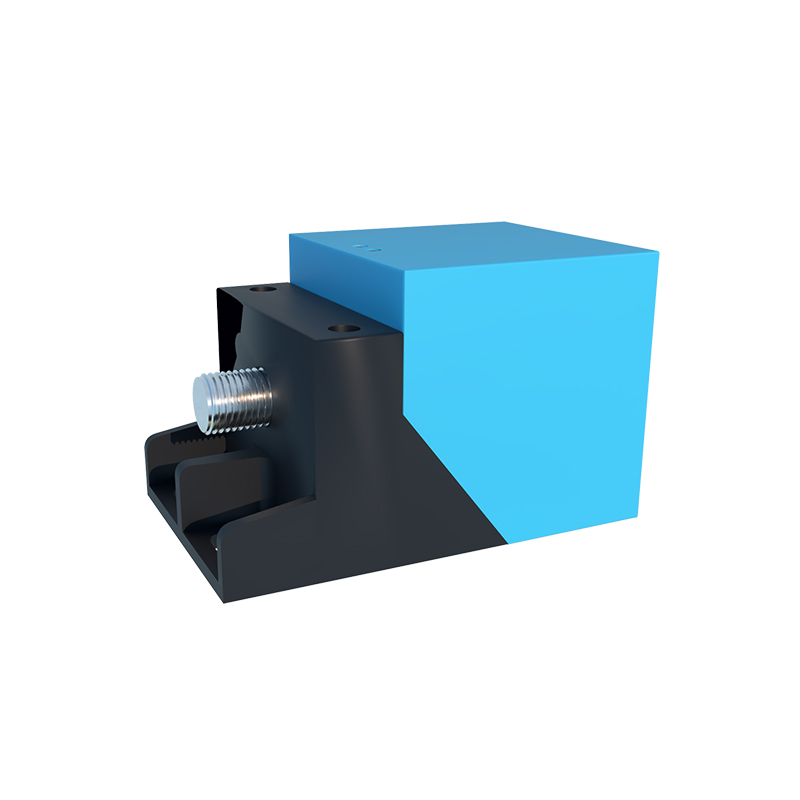
The primary distinction lies in the fundamental operating principle. Proximity sensors, especially photoelectric ones, often rely on measuring the intensity of reflected light. A stronger reflection is interpreted as a closer object. This method is inherently analog and can be easily skewed by the object's surface properties. dToF, in contrast, is a time-domain technology. It measures the flight time of photons. This makes the measurement largely independent of the signal's amplitude. Consequently, while a standard IR proximity sensor might output a voltage corresponding to estimated proximity, a dToF sensor outputs precise, absolute distance data in millimeters. This shift from analog intensity-based inference to digital time-based measurement is the cornerstone of dToF's advantage in accuracy and reliability.
Performance Metrics: Range, Accuracy, and Power
When comparing performance, dToF generally surpasses traditional proximity sensing in range and accuracy. A typical IR proximity sensor is effective from a few millimeters up to about 10-20 centimeters. dToF systems can be designed for ranges from a few centimeters to several meters, making them suitable for applications like gesture recognition, SLAM (Simultaneous Localization and Mapping) in robotics, and AR/VR interaction. Accuracy is another differentiator; dToF can achieve sub-centimeter accuracy, whereas proximity sensors offer coarser granularity. However, traditional proximity sensors often hold an advantage in power consumption for simple presence detection tasks. A basic IR LED and photodiode pair consumes minimal power. dToF systems, with their active laser pulses and high-speed processing circuitry, typically demand more power, although advanced low-power modes are continually being developed.
Environmental Robustness and Integration Complexity
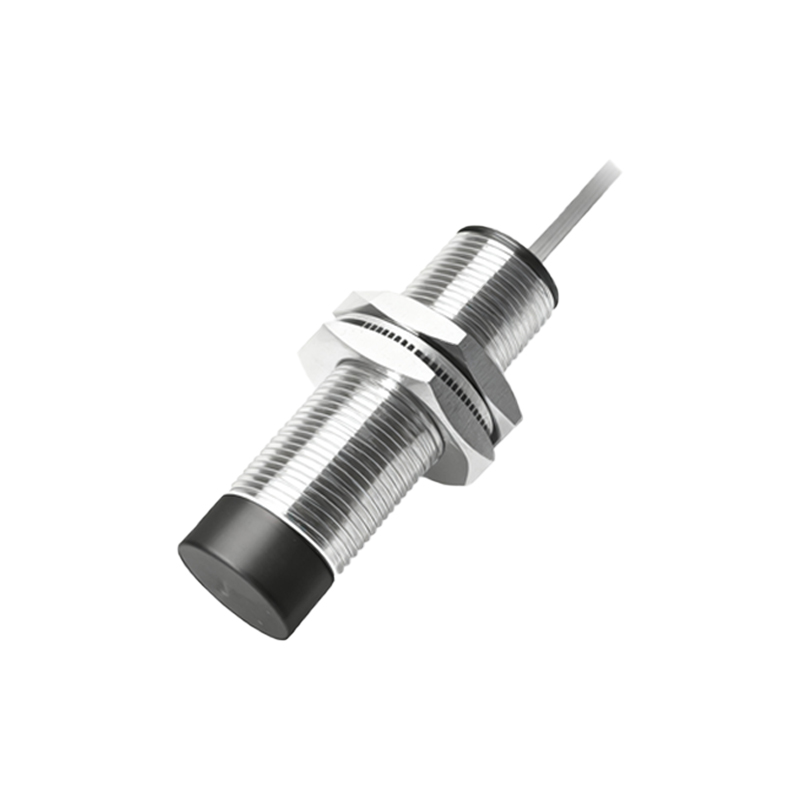
Environmental interference is a critical design consideration. Photoelectric proximity sensors can struggle with dark or highly reflective surfaces and are vulnerable to ambient light noise, particularly sunlight containing IR. dToF technology, with its modulated light signals and time-correlated measurement, demonstrates superior immunity to ambient light. It can reliably function in bright outdoor settings where conventional sensors would fail. On the downside, dToF system integration is more complex. It requires precise optical alignment, sophisticated driver circuitry for the VCSEL, and advanced signal processing algorithms to handle time-to-digital conversion and noise filtering. Traditional proximity sensors are simpler, more mature, and easier to implement as discrete components.
Application-Specific Selection Criteria
Choosing between the two technologies hinges on the application's requirements. For simple object detection in a controlled industrial environment—like counting bottles on a conveyor or detecting a metal door position—a robust inductive or photoelectric proximity sensor is often the most cost-effective and reliable solution. For applications demanding precise 3D mapping, detailed gesture control, accurate liquid level sensing in transparent containers, or any scenario where exact distance and robustness to variable surfaces are paramount, dToF is the superior choice. In consumer electronics, dToF is increasingly used for autofocus