Introduction to Proximity Switch Sensors in Grain Handling
Proximity switch sensors are fundamental components in modern grain handling systems, particularly within the critical operation of grain unloading buckets. These non-contact electronic devices detect the presence or absence of a metallic target—typically the bucket itself or an attached flag—without any physical interaction. Their primary function is to provide precise positional feedback, enabling the automation and control of conveyor chains, bucket elevators, and unloading mechanisms. In the demanding environment of grain terminals, feed mills, and silos, the reliability of these sensors directly impacts operational efficiency, safety, and equipment longevity. Unlike mechanical limit switches, proximity sensors are immune to dust buildup, vibration, and mechanical wear at the sensing face, making them exceptionally suited for the abrasive and particulate-heavy atmosphere of grain transfer points. Their sealed, robust housings protect internal electronics from moisture and grain dust ingress, ensuring consistent performance.
Core Operating Principles and Sensor Types
The most prevalent technology used in grain unloading applications is the inductive proximity sensor. This type generates an electromagnetic field from its active face. When a metallic target, such as the steel bucket or a detection plate, enters this field, it induces eddy currents within the target. The sensor detects this change in the oscillation amplitude and triggers a solid-state switching signal. Key specifications include sensing distance, typically ranging from 2mm to 15mm for these applications, and the switching frequency, which must be high enough to detect rapidly passing buckets. For non-metallic bucket systems or specific installation constraints, capacitive proximity sensors may be employed. These can detect materials like grain itself or plastic components by sensing changes in capacitance, but they are more sensitive to environmental factors like humidity and material buildup, requiring more careful calibration and maintenance in grain environments.
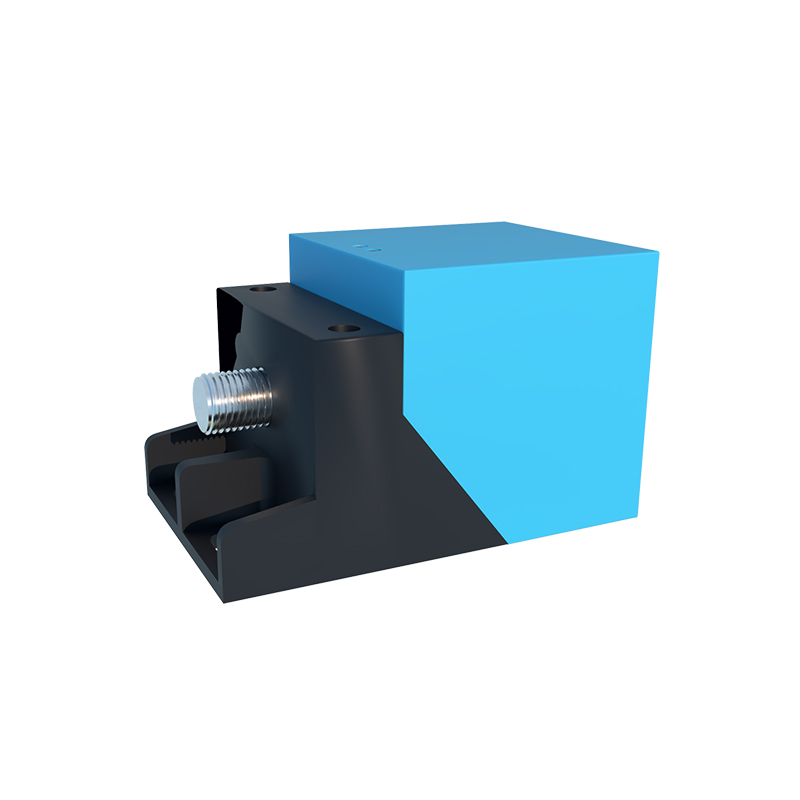
Critical Installation and Alignment Considerations
Proper installation is paramount for reliable operation. The sensor must be mounted securely to withstand constant vibration from the conveyor drive. Alignment with the detection target is critical; even a slight angular misalignment can significantly reduce the effective sensing range, leading to missed detections. The sensing distance should be set so that the target passes within 70-80% of the sensor's nominal range to provide a reliable signal margin, accounting for mechanical play and thermal expansion. Mounting brackets should be rigid, and wiring must be routed through protective conduits or flexible cable carriers to prevent damage from moving parts or accidental impact. It is standard practice to install sensors in easily accessible locations to facilitate routine inspection, cleaning of the sensing face, and replacement without major disassembly of the unloading machinery.
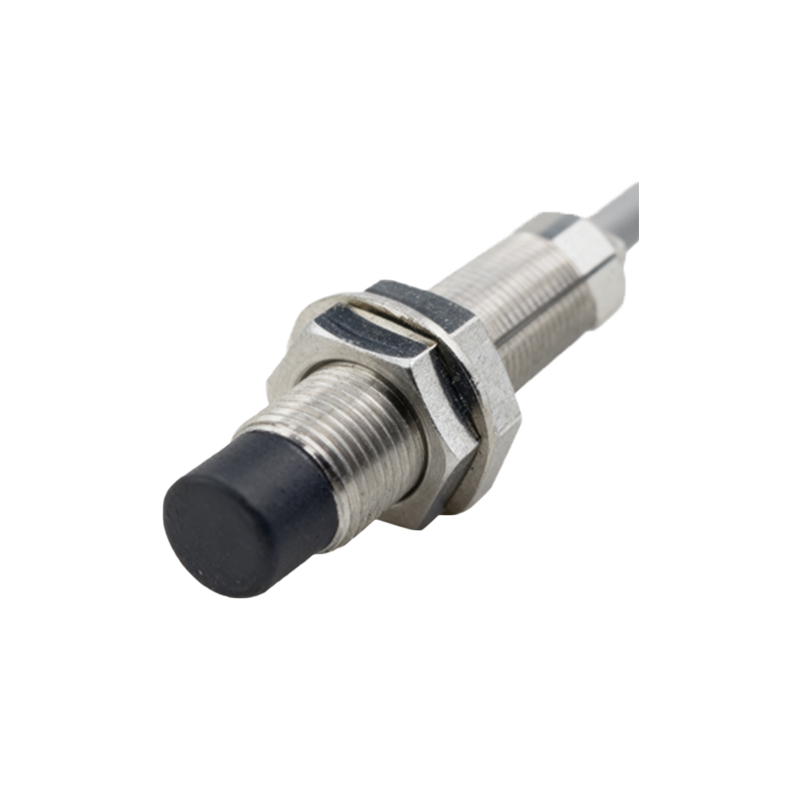
Integration with Control Systems and Signal Processing
The output from a proximity sensor is typically a discrete digital signal—either PNP (sourcing) or NPN (sinking)—compatible with Programmable Logic Controllers (PLCs) or direct motor starters. This signal is used for critical control functions: initiating the unloading cycle when a bucket reaches the discharge point, providing speed feedback for variable frequency drives (VFDs), and serving as a vital input for safety interlocks to prevent mechanical jams or overloads. In sophisticated systems, the pulse train from a sensor monitoring bucket passage is used to calculate chain speed, monitor for slippage or breakage, and trigger alarms for under-speed or over-speed conditions. Signal conditioning may be necessary in electrically noisy environments, often achieved by using sensors with built-in surge protection and shielded cables grounded at a single point to prevent ground loops.
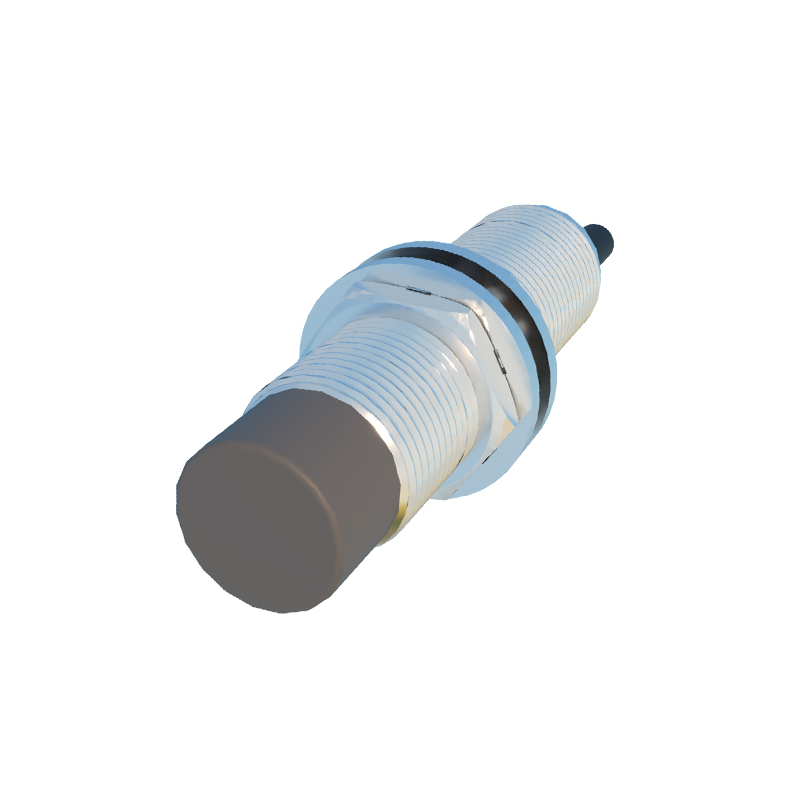
Maintenance, Troubleshooting, and Best Practices
While designed for minimal maintenance, proactive checks are essential. The sensing face should be inspected and cleaned regularly to remove any compacted grain dust or debris that could attenuate the electromagnetic field. Technicians should verify the sensor's LED indicator (present on most models) during operation to confirm switching activity. Common failure modes include physical damage from impact, degraded cable insulation, and internal electronic failure due to voltage spikes or moisture ingress. Troubleshooting involves checking power supply voltage, output signal with a multimeter, and target alignment. A best practice is to implement a redundant sensing strategy for critical positions, using two independently wired sensors in a voting logic to enhance system availability and prevent false triggers that could lead to equipment damage or spillage.
Advancements and Future Trends in Sensor Technology
The evolution of proximity sensors for heavy industry continues. Modern sensors now feature IO-Link digital communication, which allows for not only status transmission but also remote configuration, diagnostics (like temperature monitoring, signal strength), and parameterization from the control room. This enables predictive maintenance by tracking performance degradation over time. Furthermore, sensors with increased resistance to weld-field immunity are becoming standard, preventing malfunction from nearby welding operations during facility repairs. The integration of more