Introduction to Infrared Photoelectric Sensors
Infrared photoelectric sensors are pivotal components in modern automation and control systems, leveraging infrared light to detect objects, measure distances, and monitor processes. These sensors operate by emitting an infrared beam and analyzing the reflected or interrupted signal, making them ideal for applications in industrial machinery, robotics, security systems, and consumer electronics. Their non-contact nature ensures minimal wear and tear, while their high sensitivity allows for precise detection even in challenging environments. Engineers rely on these sensors for tasks ranging from simple object presence detection to complex positioning and sorting operations. Understanding the underlying principles is essential for effective implementation, as it influences code design and integration with microcontrollers or PLCs. This guide delves into practical code examples across various platforms, providing a robust foundation for developers.
Basic Code Structure for Sensor Integration
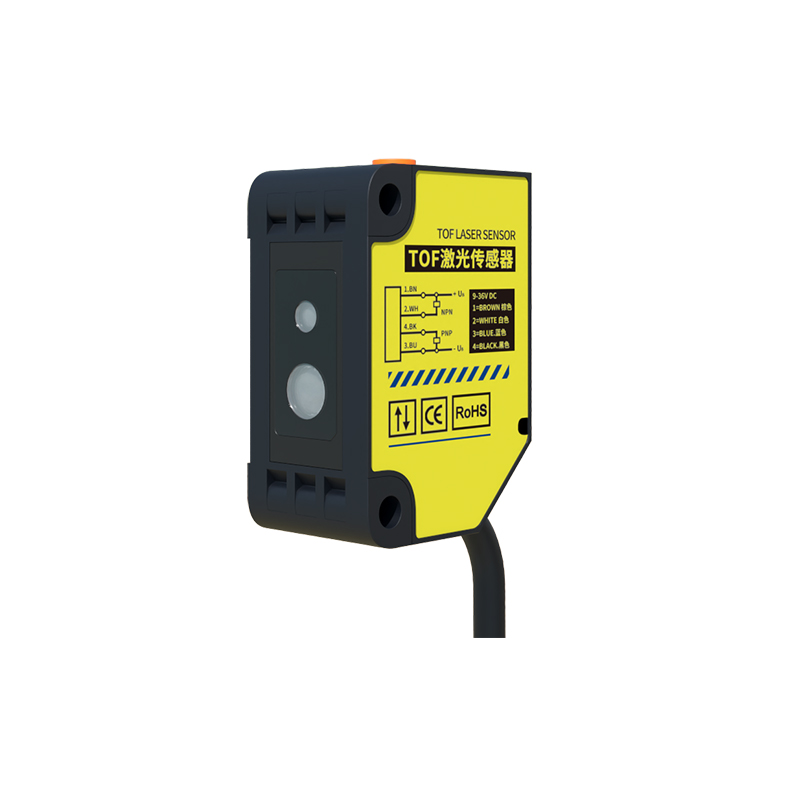
The fundamental code for interfacing an infrared photoelectric sensor typically involves initializing pins, reading digital or analog signals, and processing data. For instance, with Arduino-based systems, a simple setup includes defining input pins for sensor output and output pins for indicators like LEDs. A basic loop continuously monitors the sensor state, triggering actions when an object is detected. Analog sensors require ADC (Analog-to-Digital Converter) readings to interpret intensity levels, which can be calibrated for distance or reflectivity measurements. Code should incorporate debouncing techniques to filter noise and ensure reliable readings. Below is a generic example in C++ for Arduino:
``cpp
const int sensorPin = 2;
const int ledPin = 13;
void setup() {
pinMode(sensorPin, INPUT);
pinMode(ledPin, OUTPUT);
Serial.begin(9600);
}
void loop() {
int sensorState = digitalRead(sensorPin);
if (sensorState == LOW) {
digitalWrite(ledPin, HIGH);
Serial.println("Object detected!");
} else {
digitalWrite(ledPin, LOW);
}
delay(100);
}
``
This structure adapts easily to other platforms like Raspberry Pi or STM32, with adjustments for library functions and pin configurations.
Advanced Programming for Analog Sensors
Analog infrared sensors output variable voltage levels corresponding to detected infrared intensity, enabling nuanced applications such as proximity sensing or line following. Code must interpret these analog values through ADCs and map them to practical units. For example, in robotics, sensors can gauge surface reflectivity to navigate paths. A Python script for Raspberry Pi might use the GPIO library to read analog data via an ADC chip like MCP3008. Calibration is crucial here; engineers should establish baseline readings in different environmental conditions to account for ambient infrared interference. Sample code includes filtering algorithms like moving averages to smooth data and threshold comparisons for decision-making. Implementing PID controllers can further enhance precision in dynamic systems.
Interfacing with Communication Protocols
Industrial setups often integrate multiple sensors via protocols like I2C, SPI, or UART for streamlined data exchange. Infrared photoelectric sensors with built-in microcontrollers may output serial data, requiring code to parse packets for parameters like detection status or distance values. For I2C, engineers must address sensor modules and handle read/write operations efficiently. In embedded C, libraries facilitate communication, but low-level register manipulation offers finer control. Code should include error handling for bus conflicts or timeouts, ensuring system robustness. Examples for PLCs using ladder logic or structured text demonstrate how sensor inputs trigger outputs or communicate over networks like Modbus, vital for scalable automation projects.
Code Optimization and Troubleshooting Tips
Optimizing sensor code involves minimizing latency, reducing power consumption, and enhancing accuracy. Techniques include using interrupt-driven routines instead of polling, which conserves CPU resources and enables rapid response to detection events. For battery-powered devices, sleep modes can be activated between readings. Code should log diagnostic data to serial monitors or files for debugging common issues like false triggers or signal drift. Engineers can implement auto-calibration routines that adjust thresholds based on environmental changes. Additionally, shielding sensors from direct sunlight or other IR sources in code through adaptive filtering prevents erroneous readings. Regular testing with real-world scenarios ensures reliability.
Practical Applications and Case Studies
Infrared photoelectric sensors find use in diverse fields, from automated packaging lines to smart home devices. In a case study for conveyor systems, code coordinates multiple sensors to count objects and control actuators, often using state machines in programming. For security applications, sensors interface with alarm systems via code that manages timers and network alerts. Open-source platforms like ESP32 allow IoT integration, where sensor data transmits to cloud servers via MQTT protocols. Sample projects on GitHub provide full codebases for reference, encouraging customization. Engineers should consider factors like sensor range, response time, and environmental durability when selecting code approaches.
Future Trends and Code Adaptability
As technology evolves, infrared sensors incorporate AI and machine learning capabilities, requiring code that processes data for pattern recognition. Embedded systems now support TensorFlow Lite for edge computing, enabling predictive maintenance or gesture control. Code must be modular to adapt to new sensor models or firmware updates. Embracing standards like OPC UA in industrial code ensures interoperability. Engineers should stay updated with libraries and APIs from manufacturers, participating in communities for shared solutions. This forward-thinking approach prepares systems for advancements in IR sensing, such as multi-spectral analysis or integration with LiDAR.