Introduction to Automotive Proximity Light Sensors
Automotive proximity light sensors, often integrated into advanced driver-assistance systems (ADAS), are crucial components in modern vehicles. These sensors detect nearby objects or obstacles, typically triggering automatic headlights or providing alerts to prevent collisions. They utilize technologies such as infrared, ultrasonic, or radar to measure distance and movement around the vehicle. As automotive technology evolves, the demand for these sensors has surged, making them a common feature in many cars, from luxury models to mid-range vehicles. Understanding their cost involves examining factors like technology type, vehicle compatibility, and market trends. This guide delves into the pricing landscape, helping consumers and industry professionals make informed decisions.
Key Factors Influencing Sensor Pricing
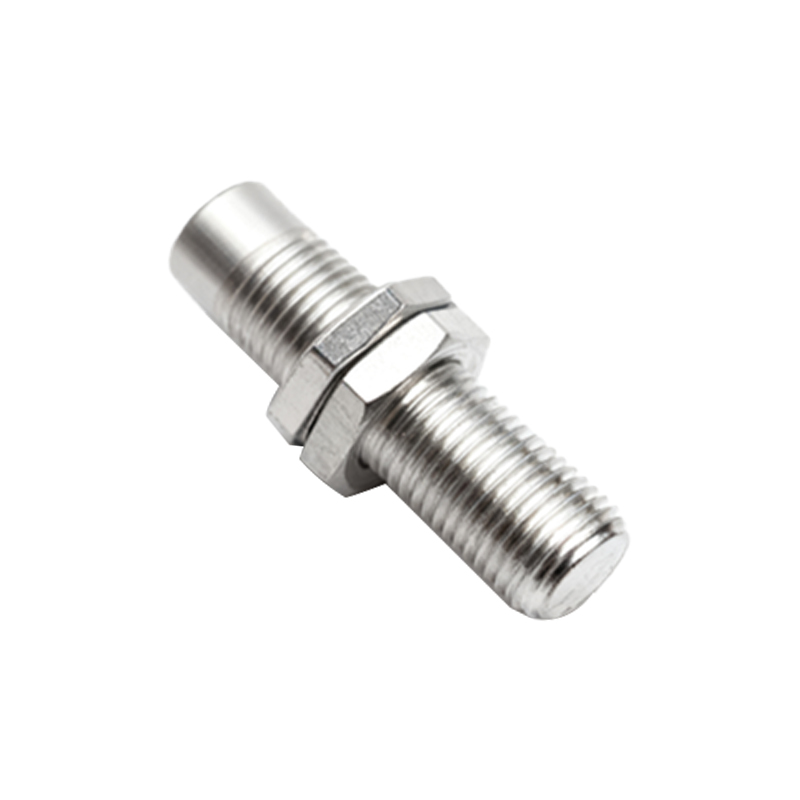
The cost of automotive proximity light sensors varies widely based on several elements. First, the sensor technology plays a significant role: infrared sensors are generally more affordable, ranging from $20 to $50 per unit, while radar-based sensors can cost $100 to $300 due to their higher accuracy and range. Second, brand and quality matter—OEM (Original Equipment Manufacturer) parts from companies like Bosch or Denso tend to be pricier, often between $80 and $200, whereas aftermarket alternatives may be cheaper at $30 to $100 but with potential compromises in durability. Third, vehicle model compatibility affects price; sensors for newer or high-end cars like Tesla or BMW can exceed $150, while those for older models might be under $50. Additionally, installation complexity can add $50 to $200 in labor costs if professional service is required.
Average Price Ranges in the Market
In the current automotive market, proximity light sensors typically fall into three price tiers. For basic aftermarket sensors, prices range from $25 to $75, suitable for budget-conscious consumers seeking simple functionality. Mid-range sensors, often from reputable aftermarket brands or refurbished OEM parts, cost between $75 and $150, offering a balance of reliability and affordability. High-end sensors, including OEM or advanced ADAS-integrated units, can run from $150 to $400 or more, especially for luxury vehicles with sophisticated systems. It's important to note that these prices are for the sensor unit alone; additional expenses like wiring kits or calibration tools might increase the total cost by 10-20%. Bulk purchases for automotive shops or manufacturers can reduce per-unit prices by 15-30% through wholesale discounts.
Cost Comparison: OEM vs. Aftermarket Sensors
When deciding between OEM and aftermarket proximity light sensors, cost differences are substantial. OEM sensors, produced by the vehicle's original manufacturer, ensure perfect compatibility and often come with warranties, but they command premium prices—typically $100 to $300. In contrast, aftermarket sensors, made by third-party companies, are more economical, ranging from $30 to $120. However, lower-priced aftermarket options may have shorter lifespans or require adjustments for fitment. For example, a proximity sensor for a common model like the Toyota Camry might cost $120 as an OEM part but only $60 from an aftermarket supplier. Consumers should weigh factors like vehicle age, intended use, and long-term reliability when choosing, as investing in a higher-cost OEM sensor could save money on future repairs or replacements.
Installation and Maintenance Expenses
Beyond the sensor itself, installation and maintenance contribute to the overall cost. DIY installation is possible for those with technical skills, potentially saving $50 to $200 in labor fees, but it requires tools and time. Professional installation at an auto repair shop or dealership typically costs $50 to $150, depending on the vehicle's complexity and location. Some modern sensors also need calibration, which can add $30 to $100 to the service bill. Maintenance costs are generally low, as these sensors are designed for durability, but occasional cleaning or part replacement might incur $20 to $50 over time. To minimize expenses, buyers can shop online for competitive prices, compare quotes from multiple service providers, and consider bundled packages that include installation.
Future Trends and Cost Predictions
The automotive proximity light sensor market is poised for growth, with costs expected to decrease gradually due to technological advancements and increased production. As ADAS becomes standard in more vehicles, economies of scale may drive average prices down by 10-20% over the next five years. Innovations like solid-state sensors or AI integration could initially raise costs for premium models but eventually trickle down to affordable ranges. Industry analysts predict that by 2030, basic proximity sensors could become as low as $15 to $40, making them accessible for a broader range of consumers. Staying informed about