Understanding Proximity Sensor Fundamentals
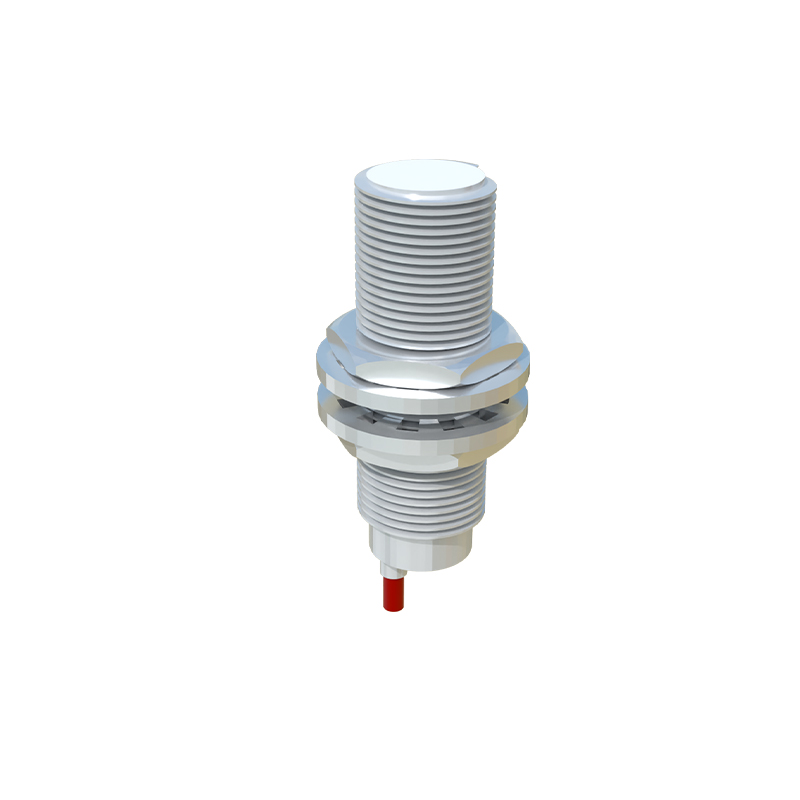
Proximity sensors are non-contact electronic devices designed to detect the presence or absence of an object within a defined sensing range without any physical contact. They operate by emitting an electromagnetic field or a beam of electromagnetic radiation, and then monitoring for changes in the field or return signal. The primary advantage of this technology is its reliability and longevity, as the lack of mechanical contact eliminates wear and tear. Common types include inductive sensors for detecting metallic objects, capacitive sensors for detecting both metallic and non-metallic materials, and photoelectric sensors using light beams. Each type serves distinct industrial purposes, from detecting a metal gear tooth to sensing the level of liquid in a non-metallic container. The selection depends heavily on the target object's material, required sensing distance, environmental conditions, and the needed response speed.
Key Operating Principles and Technologies
Inductive proximity sensors generate an oscillating electromagnetic field from a coil. When a conductive metal object enters this field, eddy currents are induced on the object's surface, which dampens the oscillation amplitude. The sensor's internal circuit detects this change and triggers a solid-state output switch. Capacitive sensors function similarly but can detect any material that affects capacitance, including plastics, liquids, and powders. They measure changes in the capacitance between the sensor's active surface and the ground. Ultrasonic sensors use sound waves, measuring the time delay between the emission of a pulse and its echo. Photoelectric sensors, another major category, utilize a light transmitter and receiver; detection occurs when the target object interrupts or reflects the light beam. Understanding these principles is crucial for correct sensor selection and troubleshooting.
Integration with Industrial Counters
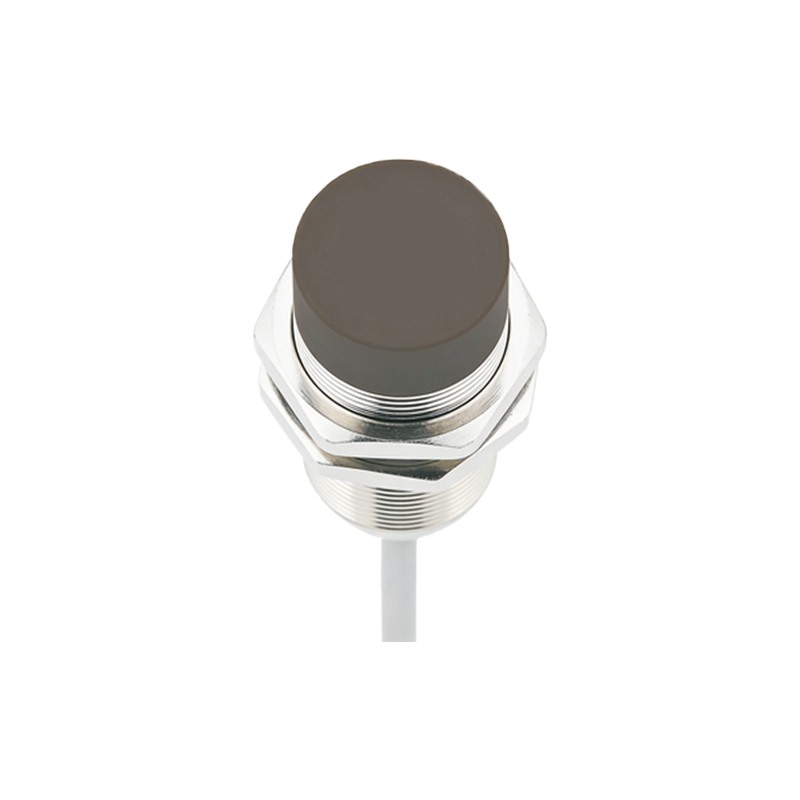
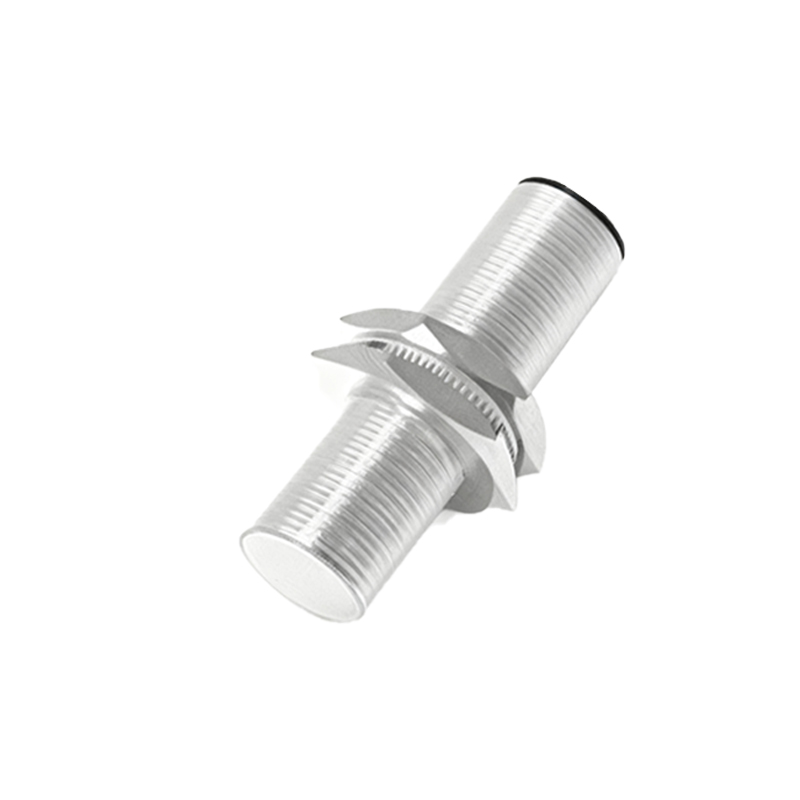
The true power of proximity sensors is unlocked when integrated with electronic counters. A counter is a device that records the number of times an event occurs, typically receiving input pulses from a sensor. In a typical setup, each detection event from a proximity sensor sends a discrete pulse to the counter. The counter then increments its total based on this input. This combination is foundational for automated production lines. For example, an inductive sensor positioned near a conveyor belt can count every metal component that passes by. Counters can be pre-set to trigger an action upon reaching a specific number, such as stopping a machine, activating a diverter arm, or signaling a batch completion. Modern counters offer features like dual counting (up/down), high-speed counting for rapid production lines, and communication protocols (like Ethernet/IP or Profinet) for data integration into SCADA or MES systems.
Critical Selection Criteria for System Design
Selecting the right sensor-counter pair requires careful analysis of several parameters. First, the sensing range: ensure the sensor's nominal range exceeds the required operating distance to account for installation tolerances and target variations. Second, the target material and size; a small target may require a sensor with a more focused field. Third, the output type: NPN (sinking) or PNP (sourcing) must match the counter's input circuit. Fourth, the switching frequency: the sensor and counter must be capable of handling the maximum event rate without missing counts. Environmental factors are equally vital. Consider temperature extremes, exposure to chemicals, washdown conditions (requiring IP67 or IP69K ratings), and the presence of electrical noise from motors or welders, which may necessitate shielded cables or sensors with robust noise immunity.
Common Applications in Automation and Control
The applications for proximity sensor and counter systems are vast across manufacturing and processing. In packaging, they count bottles, cans, or boxes for filling and bundling operations. In automotive assembly, they verify the number of parts installed, such as pistons inserted into an engine block. In material handling, they monitor the quantity of items on a pallet or control the filling level of silos by counting revolutions of a feeder screw. High-speed counting is essential in textile machinery for monitoring yarn length or in printing for sheet registration. Furthermore, these systems are pivotal in preventive maintenance; by counting machine cycles, they can trigger alerts for scheduled servicing before a failure occurs, minimizing unplanned downtime and optimizing operational efficiency.
Installation, Calibration, and Best Practices
Proper installation is paramount for reliable operation. Mount the sensor securely to prevent vibration-induced misalignment. For inductive sensors, maintain adequate clearance from surrounding metal (the manufacturer's recommended lateral and flush-mount distances) to avoid false triggering. Ensure the target approaches the sensor's sensing face correctly. Calibration often involves teaching the sensor its background environment (for capacitive types) or setting the sensitivity threshold. For the counter, configuration includes setting the count preset value, reset conditions (manual, automatic, or external signal), and output functions. Employ shielded cables in