Introduction to Buffer Systems and Sensing Needs
In the dynamic landscape of industrial automation and machinery, the integration of safety and precision is paramount. Buffer systems, often comprising hydraulic, pneumatic, or mechanical shock absorbers, play a critical role in decelerating moving loads, managing kinetic energy, and preventing damage from impacts or vibrations. However, the effectiveness of these buffer systems is significantly enhanced when paired with intelligent sensing technology. This is where proximity sensors enter the equation, serving as the essential "eyes" of the buffer mechanism. Their primary function is to detect the presence or position of an object without physical contact, providing real-time data to the control system to optimize the buffering process.
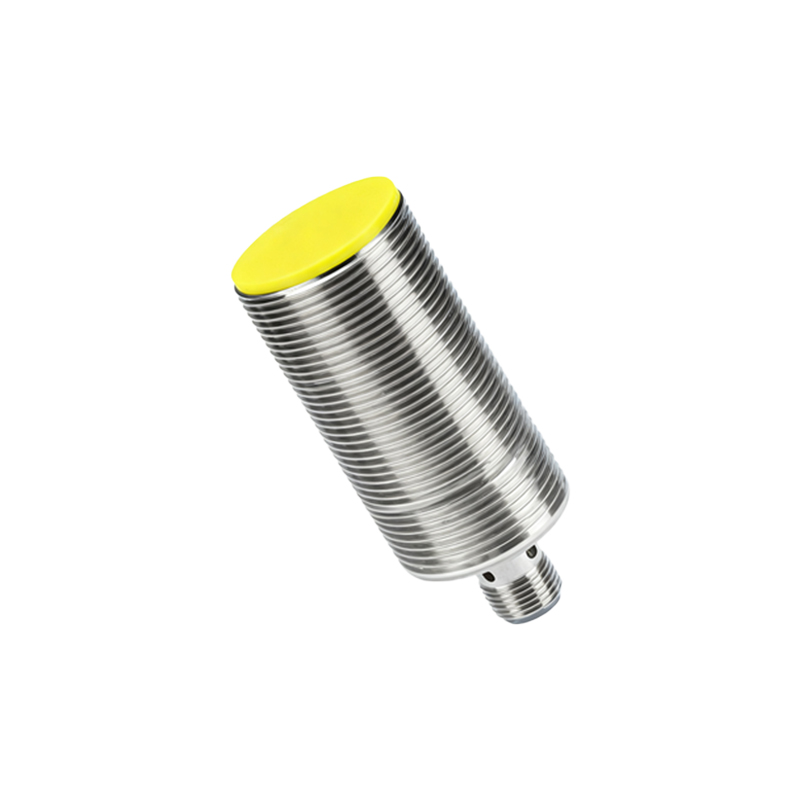
Core Functions of Proximity Sensors in Buffering
Proximity sensors in buffer systems perform several vital functions. Firstly, they enable precise position detection. As a moving component, such as a robotic arm, elevator car, or automated guided vehicle (AGV), approaches its end-of-travel or a potential collision point, the proximity sensor detects its nearness. This detection triggers the buffer system to engage at the optimal moment, ensuring smooth deceleration rather than a harsh, uncontrolled stop. Secondly, these sensors facilitate condition monitoring. By continuously monitoring the position of the buffer's piston or the target object, they can provide feedback on the buffer's stroke and performance, alerting operators to potential issues like reduced damping efficiency or mechanical wear before a failure occurs.
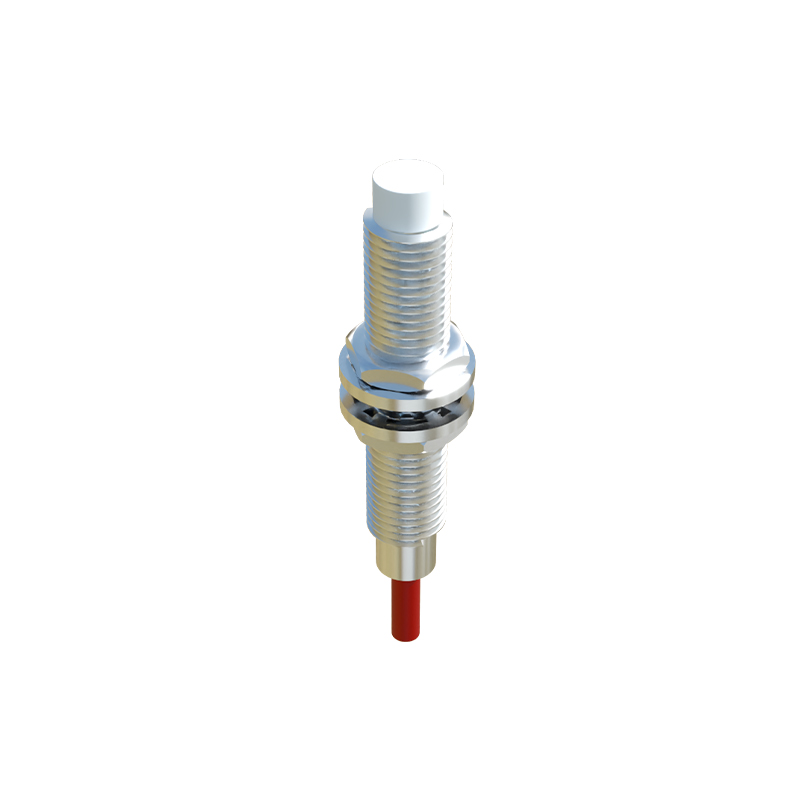
Types of Proximity Sensors Used
Various types of proximity sensors are employed based on the application's specific requirements. Inductive proximity sensors are commonly used for detecting metallic objects. They are ideal for sensing the position of a metal piston within a hydraulic buffer or a metal flag on a moving machine part. Capacitive proximity sensors can detect both metallic and non-metallic materials, such as plastics or liquids, offering greater flexibility in diverse industrial environments. Magnetic proximity sensors, or reed switches, are often used in conjunction with permanent magnets, providing a reliable and cost-effective solution for position sensing in pneumatic cylinders or linear actuators that incorporate buffers. Each type offers distinct advantages in terms of sensing range, environmental resistance, and response time.
Enhancing Safety and Preventing Damage

A paramount benefit of integrating proximity sensors with buffers is the substantial enhancement of operational safety. In high-speed or high-mass applications, an unexpected impact can cause catastrophic equipment damage and pose serious safety risks to personnel. Proximity sensors act as a proactive safeguard. By providing early warning signals as an object enters a predefined danger zone, they allow the control system to initiate corrective actions. This might involve activating the buffer earlier, reducing the machine's speed, or executing an emergency stop sequence. This preventive approach minimizes stress on mechanical components, extends the lifespan of both the buffer and the machinery, and ensures a safer working environment.
Optimizing Efficiency and Cycle Times
Beyond safety, proximity sensors contribute significantly to process optimization and efficiency. In automated production lines, cycle time is a critical metric. Buffers equipped with precise proximity sensing allow for faster yet controlled movements. The system can command a machine to move at higher speeds, confident that the sensor will accurately trigger the buffer for a perfect stop at the exact required position. This eliminates the need for overly conservative, slow-approach sequences, thereby increasing throughput. Furthermore, the feedback from these sensors can be integrated into predictive maintenance schedules, reducing unplanned downtime by signaling when a buffer requires service or recalibration.
Integration with Control Systems
The true power of a proximity sensor in a buffer system is realized through its integration with a Programmable Logic Controller (PLC) or other industrial control systems. The sensor's output signal—typically a discrete ON/OFF signal or an analog value proportional to distance—is fed into the controller. The PLC then processes this data according to its programmed logic. For instance, it may modulate the flow in a hydraulic buffer or adjust the air pressure in a pneumatic system in real-time based on the sensor's input. This closed-loop control allows for adaptive buffering, where the damping force can be varied depending on the speed or mass of the approaching load, achieving unparalleled precision and energy efficiency.
Application Examples in Industry
Practical applications of buffer proximity sensors are widespread across industries. In automotive manufacturing, they are used on robotic welding arms to ensure precise stopping and prevent damage during door or panel handling. In material handling, they safeguard the endpoints of conveyor systems and automated storage/retrieval systems (AS/RS). In elevator technology, sensors monitor the car's position relative to the landing buffer, ensuring a smooth final stop. Even in heavy industries like metal stamping, proximity sensors work with hydraulic buffers to absorb the immense shock of the press ram, with