Introduction to Photoelectric Sensor Technology
Photoelectric sensors are indispensable components in modern industrial automation, providing non-contact detection of objects, distances, and conditions. Operating on the principle of converting light signals into electrical signals, these devices utilize a light emitter and a receiver. They are prized for their long sensing ranges, high speed, and precision, making them critical for applications ranging from packaging and material handling to automotive assembly and pharmaceutical production. The market for these sensors is driven by the relentless push towards Industry 4.0, smart manufacturing, and the need for reliable, efficient automation solutions. As factories become more interconnected, the demand for advanced, communicative, and robust photoelectric sensors continues to grow, shaping the competitive landscape of the industry.
Key Criteria for Evaluating Leading Manufacturers
When ranking companies in the photoelectric sensor domain, several critical factors come into play. Product portfolio breadth and innovation are paramount; leaders offer a wide array of sensor types, including through-beam, retro-reflective, diffuse, and background suppression models, with advanced features like IO-Link connectivity and enhanced environmental resistance. Technological prowess, evidenced by patents and R&D investment in areas like laser technology and miniaturization, sets top players apart. Global market presence and the strength of distribution and support networks ensure accessibility and reliability for customers worldwide. Finally, a proven track record in delivering high-quality, durable products that perform in harsh industrial environments is a non-negotiable benchmark for industry leadership.
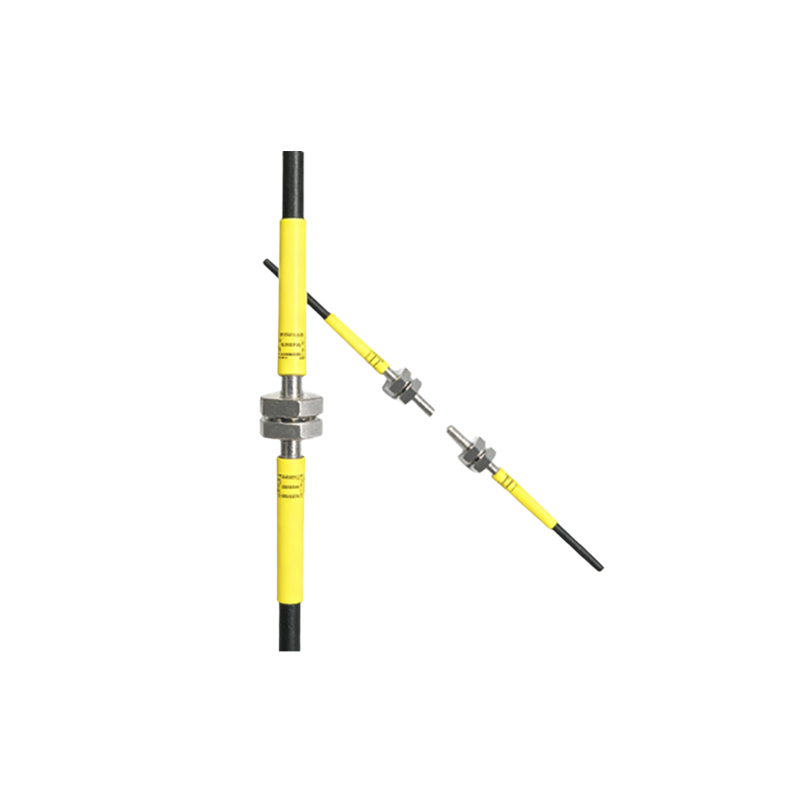
Omron Corporation: A Pioneer in Sensing Solutions
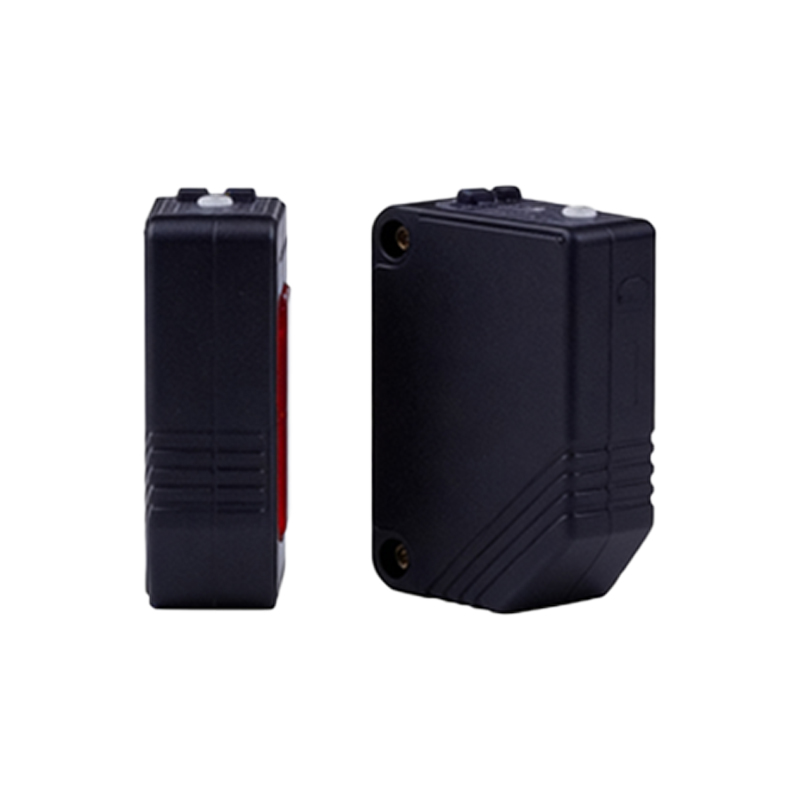
Omron Corporation stands as a global titan in the automation and sensing field. Their E3Z and E3S-C series photoelectric sensors are industry benchmarks, renowned for exceptional reliability and versatility. Omron invests heavily in R&D, consistently introducing sensors with smarter functions, such as advanced diagnostics and easy setup features. Their strength lies in providing comprehensive solutions, integrating sensors seamlessly into larger control systems. With a vast global network and a deep understanding of diverse application challenges, from food and beverage to electronics manufacturing, Omron maintains a top-tier position by solving complex customer problems with innovative sensing technology.
Keyence Corporation: Innovation and Precision Engineering
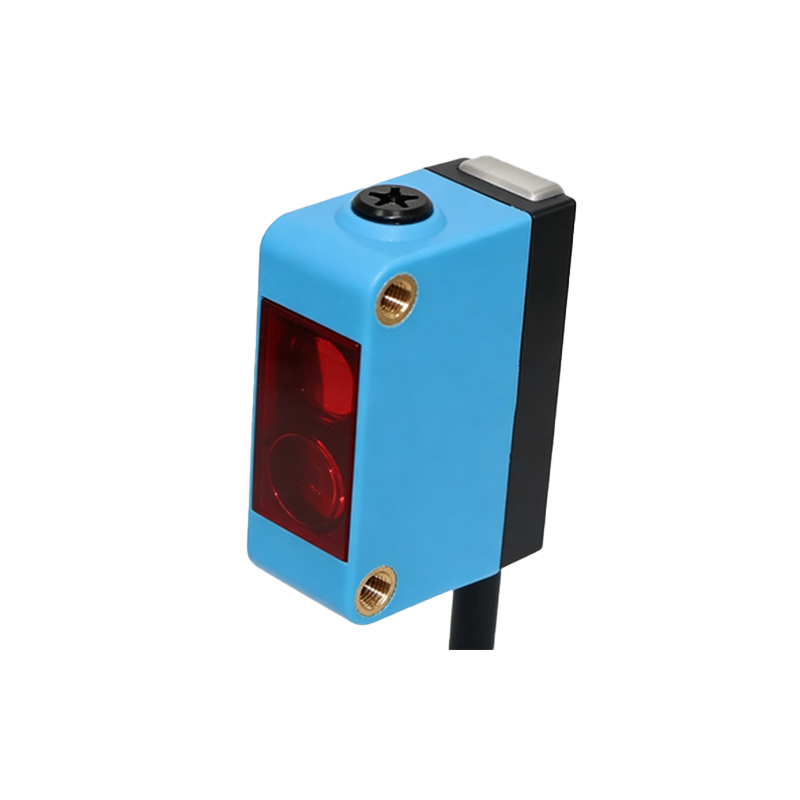
Keyence has carved out a dominant niche through its focus on high-performance, precision photoelectric sensors. Known for pushing technological boundaries, Keyence's sensors often feature ultra-long sensing distances, incredibly fine detection capabilities, and user-friendly setups with laser markers for precise beam positioning. Their product development is intensely customer-driven, leading to specialized sensors for challenging applications like detecting transparent objects or ultra-small components. While often positioned at a premium, Keyence's value proposition is clear: unparalleled accuracy, reliability, and innovative features that maximize production efficiency and minimize downtime for their clients.
Sick AG: Specialization in Factory and Logistics Automation
Sick AG is a German powerhouse synonymous with high-quality sensor intelligence for industrial applications. Their photoelectric sensor portfolio is exceptionally broad and deep, designed to meet the rigorous demands of factory and logistics automation. Sick excels in creating robust sensors for harsh environments, offering exceptional resistance to dust, moisture, and temperature extremes. They are also a leader in safety-rated photoelectric sensors (e.g., safe guarding systems) and sensors optimized for logistics, like barcode reading and object detection on high-speed conveyors. Sick's combination of German engineering, application-specific expertise, and global service solidifies its status as a top-tier provider.
Rockwell Automation: Integration and Control System Synergy
Rockwell Automation leverages its position as a leading provider of integrated control and information solutions. Their Allen-Bradley brand photoelectric sensors are designed for seamless integration with Rockwell's programmable logic controllers (PLCs) and other automation components. This ecosystem approach is a significant advantage for customers heavily invested in the Rockwell architecture, simplifying design, commissioning, and maintenance. Their sensor range, including the 42EA RightSight series, emphasizes durability, easy configuration, and reliable performance. For end-users seeking a unified, interoperable automation system from sensor to software, Rockwell Automation offers a compelling, integrated portfolio.
Panasonic Industry: Reliability and Cost-Effectiveness
Panasonic Industry is a major force, offering a vast array of photoelectric sensors known for their consistent reliability and competitive value. Their product lines cater to a wide spectrum of needs, from basic detection to more advanced functions. Panasonic's strengths include a massive global manufacturing scale, which contributes to cost-effectiveness, and a reputation for producing durable components. They continuously refine their offerings, incorporating modern features like compact housings and stable detection performance. For many OEMs and system integrators looking for a dependable, widely available sensor solution without a premium price tag, Panasonic remains a go-to choice in the global market.
Emerging Trends and Future Market Outlook
The future of photoelectric sensors is being shaped by several key trends. The integration of Industrial Internet of Things (IIoT) capabilities is paramount, with sensors becoming intelligent data points that communicate health status, process variables, and predictive maintenance alerts via IO-Link or wireless protocols. Miniaturization continues, allowing sensors to fit into increasingly compact machinery. There is also a growing demand for sensors capable of handling more complex tasks, such as color detection or precise contour recognition. As sustainability gains focus, energy-efficient sensors will see higher demand. Companies that lead in embedding intelligence, connectivity, and advanced functionality into robust, application-ready designs will define the next generation of market leadership.