Introduction to Proximity Sensor Switches
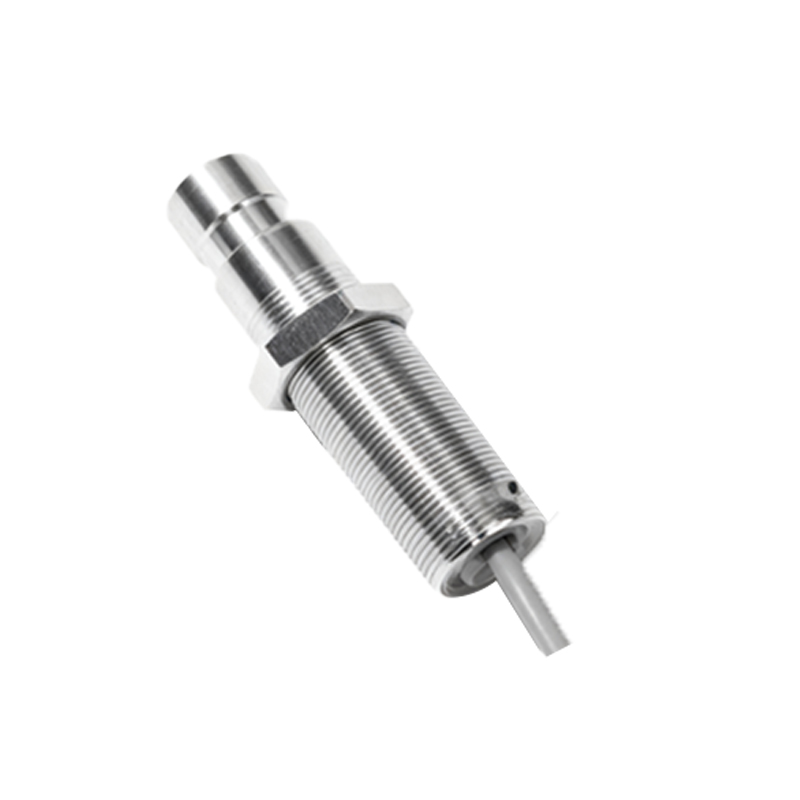
Proximity sensor switches are non-contact electronic devices that detect the presence or absence of objects within a specific range. They operate by emitting an electromagnetic field or beam and monitoring changes in the field when an object enters it. Common types include inductive, capacitive, and photoelectric sensors, each suited for different materials and environments. These switches are widely adopted in industrial settings due to their reliability, durability, and ability to function without physical contact, reducing wear and tear. They play a crucial role in automation, safety, and efficiency, making them indispensable in modern manufacturing and processing systems.
Manufacturing and Assembly Lines
In manufacturing and assembly lines, proximity sensor switches are extensively used for positioning, counting, and object detection. For instance, inductive sensors detect metal parts on conveyor belts, ensuring precise placement for robotic arms or machining tools. Capacitive sensors identify non-metallic materials like plastic or glass, facilitating sorting processes. Photoelectric sensors monitor product flow, triggering actions such as stopping a line when an item is misaligned. These applications enhance production speed, minimize errors, and support continuous operation, contributing to higher throughput and reduced downtime in factories.
Material Handling and Logistics
Material handling systems rely on proximity sensor switches for automation and safety. In warehouses, sensors guide automated guided vehicles (AGVs) by detecting markers on floors or obstacles in paths. They also control conveyor systems, activating or deactivating sections based on package presence, which optimizes energy use and prevents jams. In loading docks, sensors ensure proper alignment of pallets and containers, improving loading efficiency. By enabling real-time monitoring and control, these switches streamline logistics operations, reduce manual labor, and enhance workplace safety by preventing collisions.
Automotive and Transportation Industries
The automotive sector utilizes proximity sensor switches in various stages, from assembly to vehicle operation. On production lines, sensors detect components for welding, painting, or installation, ensuring accuracy in complex processes. In vehicles, they are integrated into safety features like parking assistance systems, where ultrasonic or inductive sensors measure distances to obstacles. Additionally, sensors monitor engine parts, such as detecting camshaft position for ignition timing. This integration boosts manufacturing precision, enhances driver safety, and supports the reliability of automotive systems, aligning with industry standards for quality and performance.
Packaging and Food Processing
Proximity sensor switches are vital in packaging and food processing for hygiene and efficiency. In packaging lines, capacitive sensors detect labels, caps, or fill levels on containers, ensuring proper sealing and labeling. Inductive sensors verify metal lids or closures on cans, preventing defective products from reaching consumers. In food processing, sensors made of stainless steel or with IP67 ratings withstand washdowns and harsh conditions, detecting items on production belts without contamination. These applications help maintain high hygiene standards, reduce waste, and comply with regulatory requirements, supporting consistent product quality.
Robotics and Automation Systems
Robotics and automation heavily depend on proximity sensor switches for precise control and interaction. Sensors provide feedback on object location, enabling robots to pick, place, or assemble items with accuracy. For example, in collaborative robots (cobots), sensors detect human presence to initiate safety stops, preventing accidents. They also monitor joint movements and end-effector positions, ensuring smooth operation in tasks like welding or painting. By enhancing situational awareness, these switches improve robot efficiency, adaptability, and safety, driving advancements in flexible manufacturing and smart factories.
Energy and Utilities Sector
In the energy and utilities sector, proximity sensor switches contribute to monitoring and protection. They detect fluid levels in tanks, triggering alarms or pumps to prevent overflows or shortages. In power plants, sensors monitor equipment like turbines or generators, identifying vibrations or misalignments that could lead to failures. For renewable energy, such as wind turbines, sensors assess blade position and speed, optimizing performance. These uses enhance operational reliability, prevent costly downtime, and support sustainable energy management, making sensors key components in infrastructure maintenance.
Conclusion and Future Trends
Proximity sensor switches are integral across diverse industries, from manufacturing to energy, due to their versatility and non-contact operation. As technology evolves, trends like IoT integration and smart sensors are emerging, enabling data collection for predictive maintenance and real-time analytics. Future developments may include miniaturization, enhanced sensitivity, and wireless capabilities, expanding applications in areas like healthcare or smart cities. By staying updated on these advancements, engineers can leverage proximity sensors to drive innovation, improve efficiency, and address complex industrial challenges, ensuring continued relevance in automated environments.