Introduction to Proximity Sensing Technology
Proximity light sensors, such as the Play4tpro model, represent a critical component in modern electronic design and automation. These devices operate on the principle of detecting the presence or absence of an object within a specific range without physical contact, typically using an infrared (IR) light-emitting diode (LED) and a photodetector. The Play4tpro sensor is engineered for high reliability and precision, offering a robust solution for applications requiring non-contact detection. Its design often incorporates ambient light rejection capabilities, ensuring stable performance even in varying lighting conditions. This makes it an indispensable tool in sectors where accuracy and durability are paramount.
Core Technical Specifications of the Play4tpro
The Play4tpro proximity sensor is characterized by several key technical parameters that define its operational envelope. It typically features a specific detection range, often adjustable, which can span from a few millimeters to several centimeters. The sensor's response time is exceptionally fast, enabling real-time object detection crucial for high-speed automation processes. It operates on a low voltage supply, commonly in the 3.3V to 5V DC range, making it compatible with a wide array of microcontrollers and embedded systems. Furthermore, its output is usually provided in a digital format, simplifying integration into digital control circuits. The package is designed for surface-mount technology (SMT), ensuring easy assembly on printed circuit boards (PCBs).
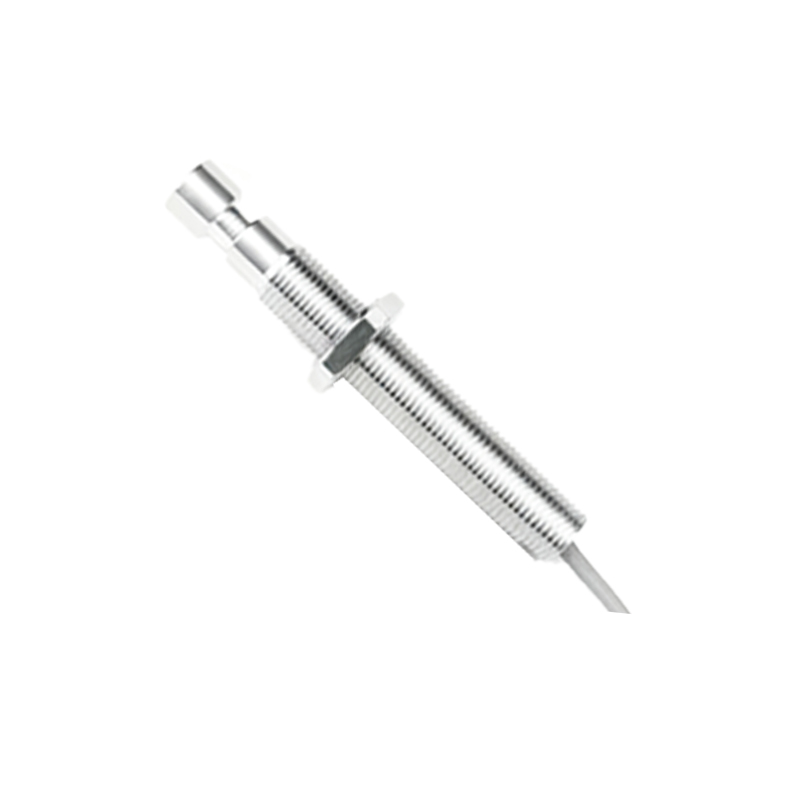
Operating Principle and Signal Processing
At its core, the Play4tpro emits a beam of modulated infrared light from its integrated LED. When an object enters the predetermined detection field, a portion of this light is reflected back towards the sensor. The built-in photodetector, which is sensitive to the specific wavelength of the emitted IR light, captures this reflected signal. Internal circuitry then processes this signal, filtering out ambient light interference. A comparator circuit evaluates the strength of the reflected signal against a predefined threshold. Once the signal surpasses this threshold, the sensor's digital output pin changes state, signaling the presence of an object. This entire process occurs within milliseconds, providing a clean and reliable detection signal.
Primary Industrial Applications
The versatility of the Play4tpro proximity light sensor lends itself to numerous industrial applications. In consumer electronics, it is extensively used for touchscreen display management, automatically turning off the screen during phone calls to prevent accidental touches. Within the automotive industry, these sensors are deployed in cabin monitoring systems, detecting occupant presence for airbag control or seatbelt reminders. On automated production lines, they serve as precise object counters, part presence verifiers, and position detectors for robotic arms. Additionally, they are integral to smart home devices, enabling gesture control and presence detection for energy-saving lighting systems.
Integration and Circuit Design Considerations
Successfully integrating the Play4tpro sensor into an electronic system requires careful attention to circuit design. Proper decoupling capacitors must be placed near the sensor's power pins to ensure a stable supply voltage and minimize noise. The trace connecting the IR LED should be designed to handle the required pulsed current. For optimal performance, the sensor's lens must be kept clean and free from obstructions, and the housing design should prevent crosstalk between the emitter and detector. Designers must also consider the sensor's orientation and mounting to avoid false triggers from background reflections. Following the manufacturer's recommended layout in the datasheet is crucial for achieving specified performance metrics.
Advantages Over Alternative Sensing Methods
Compared to other proximity detection technologies like ultrasonic sensors or capacitive sensors, the Play4tpro optical sensor offers distinct advantages. It provides faster response times and higher precision for short-range detection. It is generally less susceptible to environmental factors like dust or acoustic noise, which can affect ultrasonic sensors. Unlike capacitive sensors, its operation is not influenced by the material properties of the target object, such as conductivity or dielectric constant. However, its performance can be challenged by highly reflective or absorbent surfaces, and it may require calibration for specific applications. Its compact size and low power consumption further solidify its position as a preferred choice for space-constrained and battery-operated devices.
Future Trends and Developments
The evolution of proximity light sensors like the Play4tpro is closely tied to advancements in semiconductor technology and the Internet of Things (IoT). Future iterations are expected to feature even lower power consumption for always-on applications in wearable technology. Integration with multi-spectral sensing, combining proximity with ambient light sensing and color detection in a single package, is a growing trend. Enhanced digital interfaces, such as I2C or SPI, will allow for more sophisticated configuration and diagnostics. Furthermore, machine learning algorithms are beginning to be applied to sensor data, enabling more complex contextual