Introduction to Enping's Photoelectric Sensor Ecosystem
Enping has emerged as a significant hub for photoelectric sensor manufacturing, fostering a dynamic ecosystem where companies, research institutions, and suppliers collaborate closely. This region's strength lies not just in individual technological prowess but in a deeply integrated network. Manufacturers specializing in optical components, electronic circuits, and precision housings work in concert, sharing resources and knowledge to streamline production. This collaborative model accelerates the development cycle, allowing for rapid prototyping and testing of new sensor designs, from diffuse and retro-reflective types to advanced fiber-optic and color recognition sensors. The result is a robust supply chain capable of responding agilely to global market demands for automation, safety systems, and smart manufacturing solutions.
Technical Synergy in Component Development
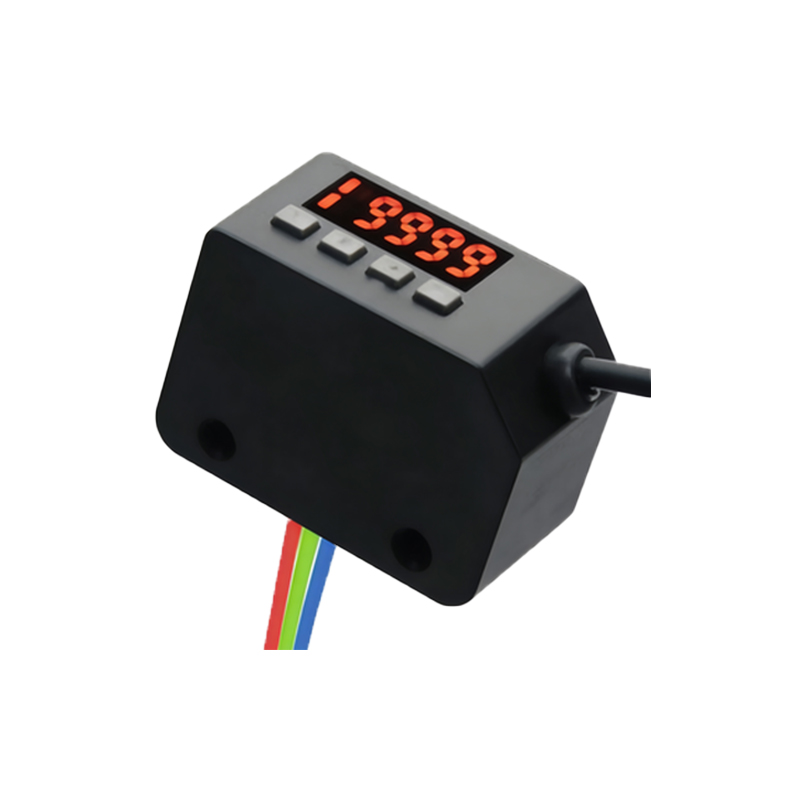
The heart of collaboration in Enping lies in technical synergy. A sensor's performance depends on the seamless integration of its light source (often LEDs or laser diodes), photodetector, and signal processing circuitry. In Enping, specialized firms often lead in one domain, such as producing high-stability infrared emitters or low-noise amplification chips. Through strategic partnerships, these components are co-engineered for optimal compatibility. For instance, a circuit designer works directly with an optical lens supplier to minimize ambient light interference, enhancing the sensor's signal-to-noise ratio. This cross-disciplinary cooperation ensures that the final product offers superior accuracy, longer range, and better reliability in challenging industrial environments, meeting stringent international standards.
Joint Research and Standardization Initiatives
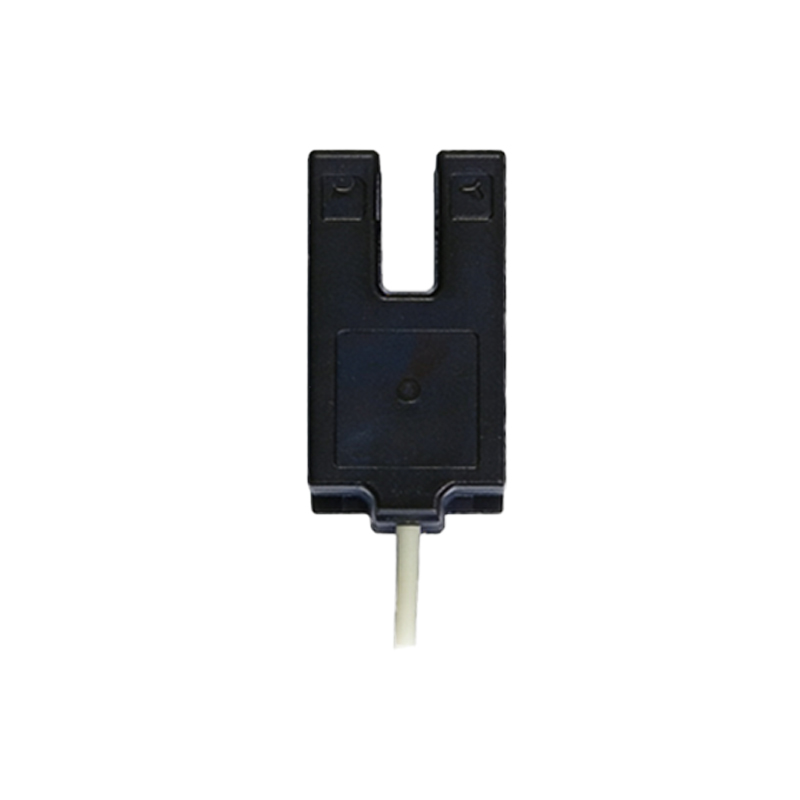
Beyond commercial partnerships, Enping's stakeholders actively engage in joint research initiatives. Local industry associations frequently organize forums and working groups where engineers from competing companies discuss common technical challenges, such as improving sensing stability in high-temperature settings or developing miniaturized designs. These collaborative efforts often extend to standardization. By agreeing on common interfaces, communication protocols (like IO-Link), and testing methodologies, companies reduce compatibility issues for end-users. This collective push for standardization not only elevates the overall quality perception of "Enping-made" sensors but also simplifies integration for global OEMs, making the region's products more attractive in international markets.
Supply Chain Integration and Agile Manufacturing
Collaboration is deeply embedded in Enping's supply chain logistics. A typical sensor assembly might involve components sourced from a dozen local specialists. Through shared digital platforms and long-term partnership agreements, these entities operate with high visibility. A housing manufacturer receives real-time updates from a circuit board assembler, synchronizing production schedules to reduce inventory costs and lead times. This integrated approach enables agile manufacturing, allowing the entire network to pivot quickly for custom orders or to scale production for large-volume contracts. The close geographical proximity of many partners further facilitates just-in-time delivery and frequent technical consultations, creating a resilient and efficient production web.
Market Expansion Through Collaborative Branding
Enping companies have learned that collaboration extends to market penetration. Rather than competing solely on price, groups of manufacturers often present a united front at major international trade fairs like Hannover Messe or SPS. They showcase a comprehensive portfolio of sensing solutions, highlighting the region's collective capability. Furthermore, larger system integrators from Enping frequently bundle sensors from various local producers into complete automation packages, offering a one-stop shop for global clients. This collaborative branding strategy builds a powerful reputation for Enping as a reliable and innovative source for photoelectric sensors, driving collective growth and allowing smaller, specialized firms to access markets they could not tackle alone.
Future Outlook: Embracing Industry 4.0 Together
The future of Enping's photoelectric sensor industry is inextricably linked to continued collaboration, especially in the face of Industry 4.0 and IoT. The next generation of sensors requires embedded intelligence, wireless connectivity, and predictive diagnostics. No single company possesses all the requisite expertise in optics, microelectronics, data analytics, and cybersecurity. Therefore, new consortiums are forming to develop smart sensor nodes that can communicate directly with cloud platforms. By pooling R&D resources and sharing the risks of innovation, Enping's collaborative ecosystem is poised to develop cutting-edge products like AI-enhanced vision sensors and self-monitoring photoelectric arrays, securing its position in the high-value segment of the global automation market.