Introduction to Photoelectric Sensors in Industrial Lamination
Photoelectric sensors are fundamental components in modern industrial automation, serving as the critical "eyes" of machinery like Feixinda laminating machines. These devices operate on the principle of converting light signals into electrical currents to detect the presence, absence, or position of objects without physical contact. In the precise and demanding environment of material lamination, where layers of film, paper, or fabric are bonded, the reliability of these sensors directly impacts production quality, speed, and waste reduction. Feixinda integrates advanced photoelectric sensing technology to ensure high-precision alignment, consistent material feeding, and flawless process control, making their laminators robust solutions for packaging, printing, and composite material manufacturing.
Core Operating Principles and Types
At their heart, photoelectric sensors consist of an emitter (light source) and a receiver. The emitter projects a beam of light—often infrared, visible red, or laser—which is then interpreted by the receiver. The three primary configurations used in Feixinda laminating machines are through-beam, retro-reflective, and diffuse reflective sensors. Through-beam sensors, with separate emitter and receiver units, offer the longest sensing ranges and highest reliability, ideal for detecting clear films or ensuring a material web is present. Retro-reflective types use a single unit and a reflector, suitable for detecting opaque materials at moderate distances. Diffuse reflective sensors detect objects by measuring the light reflected directly from the target's surface, perfect for close-range positioning and color mark registration, a crucial function for patterned material lamination.
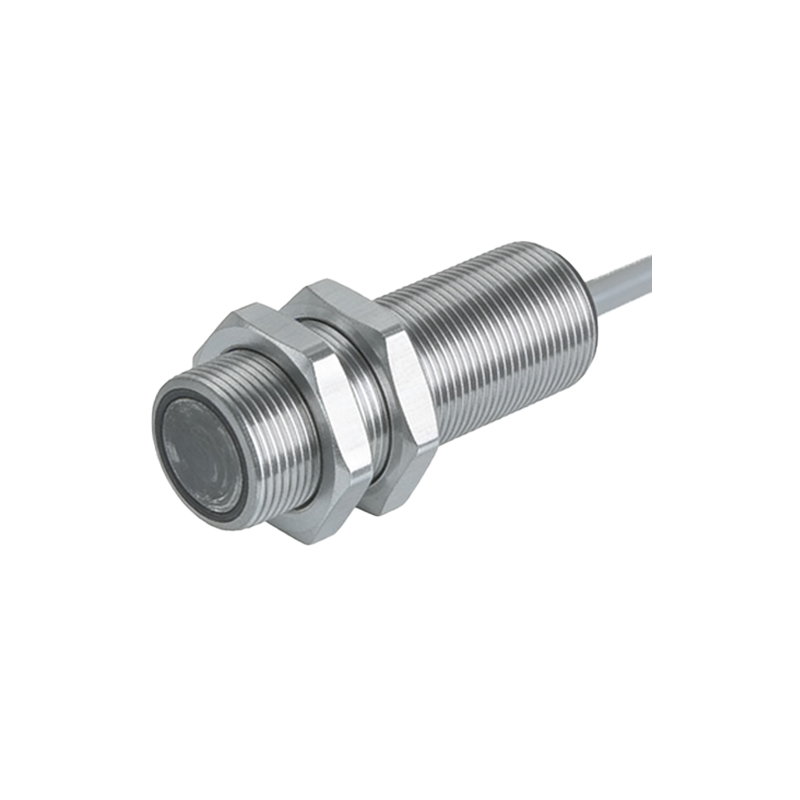
Key Applications in Feixinda Laminating Processes
Within a Feixinda laminating machine, photoelectric sensors perform several vital functions. First, they enable precise edge guiding (web guiding), ensuring the material enters the laminating nip perfectly aligned to prevent wrinkles and misalignment. Second, they control the unwinding and rewinding tension by detecting loop positions or dancer arm movements, maintaining consistent material flow. Third, and perhaps most critically, they facilitate accurate mark registration (register control). Sensors detect printed registration marks on the substrate, sending signals to the control system to minutely adjust the material feed, ensuring the laminated layers are in perfect register. This is essential for high-quality packaging and decorative laminates. Finally, they provide fault detection, such as material breakage or splice detection, immediately halting the machine to prevent damage and material waste.
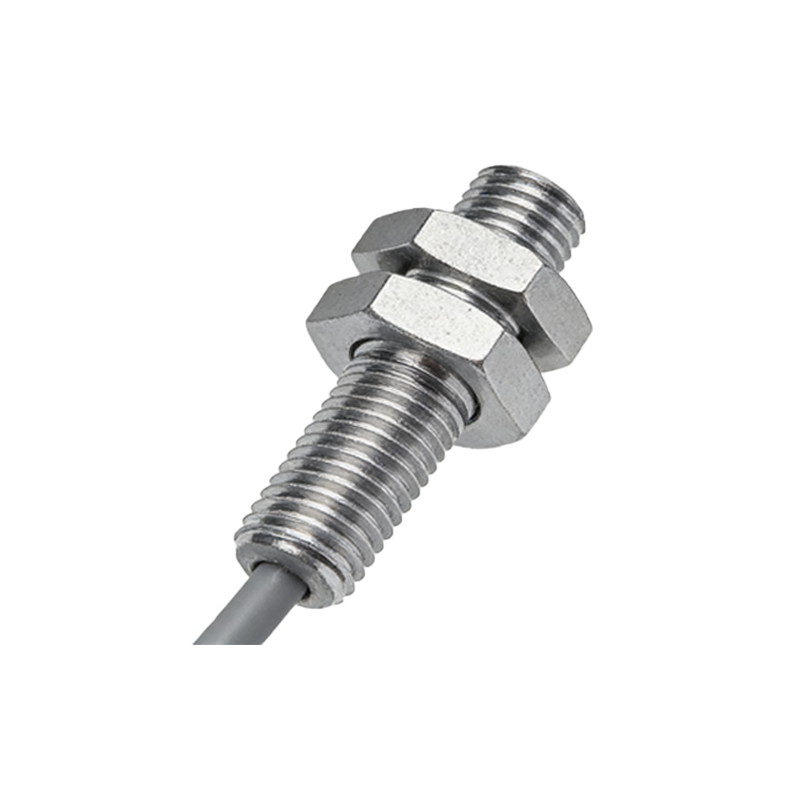
Technical Specifications and Selection Criteria
Selecting the correct photoelectric sensor for a laminating application requires careful analysis of several parameters. Sensing range, response time, and light source type are primary considerations. For high-speed Feixinda machines, sensors with microsecond response times are mandatory. The target material's properties—such as transparency, color, surface finish (glossy vs. matte), and thickness—dictate the choice of sensor type and its tuned sensitivity. Environmental factors like ambient light, dust from paper or film, and temperature fluctuations must be countered with sensors featuring robust housings (often IP67 rated), modulated LED light sources to ignore ambient light, and built-in diagnostics. Feixinda machines typically employ sensors with teach-in functionality or potentiometers for easy on-site adjustment to different materials.
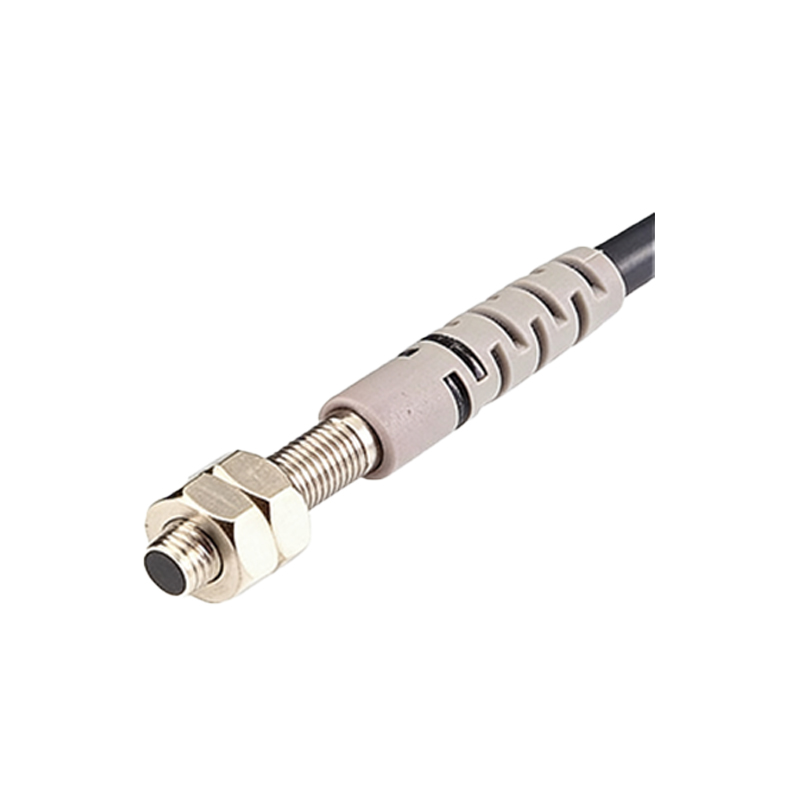
Installation, Alignment, and Calibration Best Practices
Proper installation is paramount for optimal sensor performance. The sensor must be securely mounted to avoid vibration-induced misalignment. For through-beam sensors, precise optical alignment between the emitter and receiver is critical; a misaligned beam causes unreliable detection. Calibration involves setting the sensing threshold or teaching the sensor the background and target reflectivity. For mark registration sensors, the contrast between the mark and the background must be sufficient, and the sensor's sensitivity must be finely tuned to detect the mark reliably without false triggers from print variations or material imperfections. Regular maintenance, including lens cleaning to remove dust and adhesive haze, is essential to prevent gradual performance degradation.
Common Challenges and Troubleshooting Strategies
Even with robust design, photoelectric sensors in laminating environments face challenges. Accumulation of adhesive vapors or dust on the lens is a common issue, leading to gradual signal attenuation and eventual failure. Using sensors with lens surface treatments or periodic cleaning schedules mitigates this. Detecting highly transparent or glossy materials can cause false signals due to beam penetration or specular reflection; selecting a polarized diffuse sensor or a precise through-beam sensor often solves this. Electrical interference from motor drives or heaters can disrupt sensor signals; ensuring proper shielding, grounding, and using sensors with DC operation or noise immunity features is crucial. Systematic troubleshooting always starts with verifying power, checking optical alignment, cleaning lenses, and then using an LED indicator or oscilloscope to inspect the output signal.
The Future: Smart Sensors and Industry 4.0 Integration
The evolution of photoelectric sensors is moving towards greater intelligence and connectivity. Future iterations in Feixinda and similar industrial laminators will likely feature IO-Link enabled sensors. These smart sensors can communicate detailed status information—such as signal strength, operating temperature, and lens contamination levels—directly to the machine's PLC or a supervisory system. This enables predictive maintenance, where the system can alert operators to clean a lens or replace a sensor before it causes downtime. Furthermore, integrated sensors can automatically adjust their parameters for different product batches, facilitating quick changeovers and enhancing the flexibility of the laminating line within a smart factory (Industry 4.0) framework, driving towards zero-defect production.