Introduction to Fiber Optic Photoelectric Sensors
Fiber optic photoelectric sensors represent a sophisticated category of non-contact sensing devices widely utilized in industrial automation. Unlike traditional photoelectric sensors that use a built-in light source and receiver, these sensors employ flexible fiber optic cables to transmit light to and from a remote sensing point. This fundamental design allows the core electronic amplifier unit to be positioned away from harsh environments, while only the durable fiber optic tips are exposed to the sensing area. The principle revolves around modulating a beam of light sent through one fiber; changes in this light beam, caused by the presence, absence, or characteristics of a target object, are detected and converted into an electrical switching signal by the receiver.
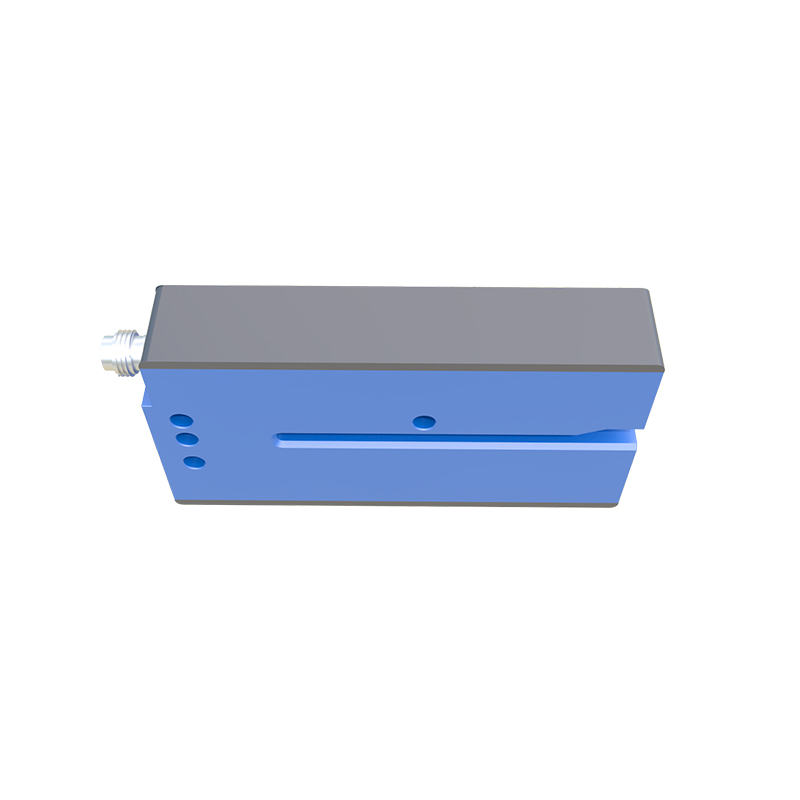
Core Operating Principles and Sensing Modes
These sensors operate primarily in three distinct modes: through-beam, diffuse reflective, and retro-reflective. In the through-beam mode, the transmitter and receiver fibers are housed in separate units facing each other. An object is detected when it interrupts the light beam traveling between them, offering the highest accuracy and longest sensing range. The diffuse reflective mode integrates both transmitting and receiving fibers into a single tip. Detection occurs when light emitted from the transmitter reflects off the target object back into the receiver fiber. This mode is ideal for detecting objects at closer ranges without requiring a separate receiver unit. Some advanced models also function in a convergent mode, where the transmitted light is focused at a specific fixed distance, minimizing background interference.
Key Advantages in Industrial Settings
The deployment of fiber optic sensors brings several compelling advantages. Their primary benefit is exceptional environmental resistance. The sensing tips, typically made of glass or plastic fibers, are immune to electromagnetic interference (EMI), radio frequency interference (RFI), and can operate in areas with high voltage, extreme temperatures, or corrosive chemicals. Their small sensing head size allows for detection in extremely confined spaces where standard sensors cannot fit. Furthermore, the ability to sense minute objects, differentiate colors, or detect transparent materials (like glass or films) based on light refraction or specific wavelengths makes them incredibly versatile for precision tasks.
Diverse Industrial Applications
The application spectrum for fiber optic photoelectric sensors is vast. In electronics manufacturing, they are indispensable for verifying the presence of tiny components on circuit boards, counting micro-parts, and detecting wafer positioning. Within packaging machinery, they ensure label presence, verify fill levels in transparent bottles, and control precise cutting operations. The automotive industry relies on them for robot guidance, part verification on high-speed assembly lines, and inspecting weld nuts. They are also crucial in textile machinery for thread break detection and in printing for mark registration and web break monitoring.
Critical Selection Criteria
Selecting the appropriate fiber optic sensor requires careful consideration of multiple parameters. First, identify the sensing mode suitable for the application: through-beam for long-range or precise detection, diffuse for general presence sensing. The material and size of the target object directly influence the choice of fiber optic tip shape (e.g., threaded, bare fiber, coaxial) and lens type. The required sensing distance is paramount. The light source wavelength—typically red visible light, infrared, or laser—must be chosen based on the target's properties; for instance, red light is common for general purpose, while laser offers precise spot detection for small objects. Environmental factors like temperature, exposure to chemicals, and space constraints will dictate the required fiber material and jacket rating.
Installation and Maintenance Best Practices
Proper installation is key to reliable operation. Ensure the fiber optic cables are not bent beyond their minimum bend radius to prevent internal breakage and signal loss. Secure cables away from moving parts to avoid abrasion. Alignment is critical for through-beam sensors; mounting brackets can aid in achieving and maintaining precise alignment. For maintenance, regularly clean the lens ends of the fiber tips to prevent dust or grime from attenuating the light signal, which can cause false triggers. Periodically check the amplifier's response indicators to ensure the received light intensity remains within an optimal range, adjusting sensitivity as needed.
Future Trends and Technological Advancements
The evolution of fiber optic photoelectric sensors continues alongside Industry 4.0. Integration with Industrial Internet of Things (IIoT) platforms is becoming standard, allowing for predictive maintenance through continuous monitoring of signal strength and device health. Advancements in materials are leading to more robust and heat-resistant fibers. Furthermore, the development of sensors with integrated background suppression and advanced logic functions (like timers, counters, and logic gates within the amplifier) is simplifying complex automation setups. The convergence of vision sensing capabilities with fiber optic technology also presents new frontiers for micro-inspection tasks.