Introduction to Proximity Sensing in Robotics
In the intricate dance of modern robotic pick-and-place systems, precision is paramount. The ability of a robotic arm to accurately locate, approach, and grasp an object forms the foundation of countless automated processes, from assembly lines to packaging. At the heart of this critical phase lies a category of devices often operating unseen: proximity sensors. These electronic sentinels provide the essential feedback that transforms a powerful but blind mechanical arm into a dexterous and aware automation tool. They act as the robot's tactile sense at a distance, enabling non-contact detection of objects and ensuring operations are both efficient and safe. Without them, the reliability and speed that define contemporary automation would be unattainable.
Core Operating Principles and Technologies
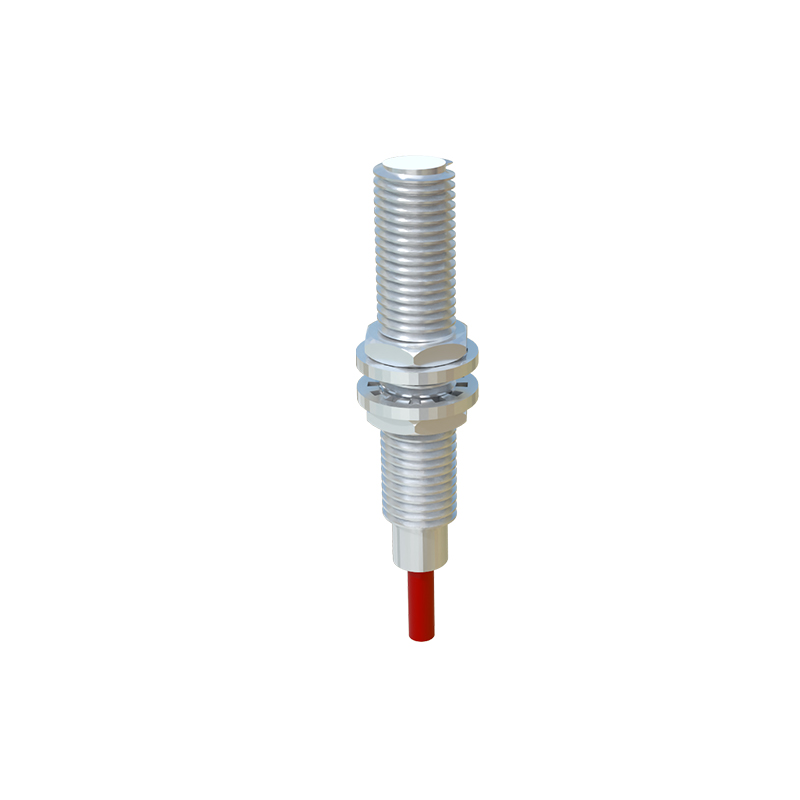
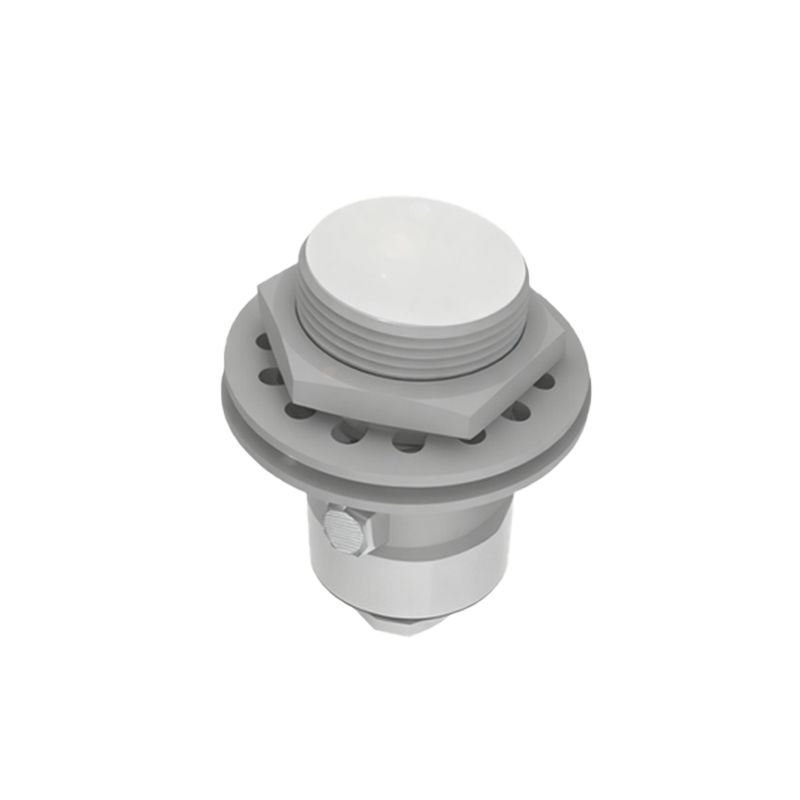
Robotic pick-and-place applications leverage several key proximity sensing technologies, each with distinct advantages. Inductive sensors are the workhorses for detecting metallic objects. They generate an electromagnetic field, and the presence of a metal target within this field induces eddy currents, causing a detectable change in the sensor's oscillation. For non-metallic materials like plastic, wood, or glass, capacitive sensors are employed. These measure changes in capacitance caused by the dielectric properties of a target object entering an electrostatic field. Photoelectric sensors, another prevalent type, use a light emitter and receiver. In the common diffuse reflective mode, the sensor detects light reflected back from the target itself, making it versatile for various surfaces and colors, though sensitive to environmental conditions.
Strategic Placement and Integration

The effectiveness of a proximity sensor is dictated by its strategic integration into the robotic cell. Common mounting points include directly on the end-effector or gripper to confirm the presence of a grasped part, on the tooling near the gripper fingers for pre-grasp object verification, or at fixed locations within the work envelope to signal the robot when an object arrives on a conveyor or fixture. Integration with the robot controller is typically via discrete I/O signals or fieldbus networks like PROFINET or EtherNet/IP. The sensor's output triggers critical actions in the robot program, such as initiating the grasp sequence, adjusting the approach path, or signaling an error if a part is missing or misaligned.
Addressing Key Application Challenges
Deploying these sensors in industrial environments presents specific challenges that engineers must meticulously address. Sensing range and repeatability are crucial; a sensor must consistently detect targets at the same precise distance for reliable operation. The operating environment itself can be hostile, with factors like airborne dust, coolant mist, electromagnetic interference from motors, or mechanical vibrations potentially affecting performance. Selecting sensors with appropriate Ingress Protection (IP) ratings and robust housing is essential. Furthermore, dealing with varied target materials, sizes, and colors requires careful sensor selection and tuning to avoid false triggers or missed detections.
Advancements and Future Trends
The landscape of proximity sensing for robotics is continuously evolving. Modern sensors are becoming smarter, integrating IO-Link communication to provide not just a simple on/off signal, but detailed diagnostic data like operating hours, temperature readings, and signal strength. This facilitates predictive maintenance. Furthermore, sensor fusion is a growing trend, where data from multiple sensor types (e.g., a proximity sensor and a simple vision camera) is combined to create a more robust and context-aware perception system. The miniaturization of sensors also allows for their embedding into smaller, more complex grippers, enabling finer manipulation tasks in electronics assembly or micro-manufacturing.
Conclusion: Enabling Precision and Reliability
Proximity sensors, though small and often overlooked, are fundamental enablers of robotic pick-and-place automation. By providing reliable, non-contact detection, they ensure that robots interact with their physical world accurately and safely. The correct selection, integration, and application of inductive, capacitive, and photoelectric sensors directly impact cycle times, product quality, and overall system uptime. As robotics pushes into new, more delicate, and unstructured applications, the role of advanced, intelligent proximity sensing will only become more critical, continuing to serve as the essential bridge between digital command and physical action.