Introduction to Color Mark Photoelectric Sensors
Color mark photoelectric sensors are advanced devices designed to detect and differentiate colors in various industrial processes. Unlike standard photoelectric sensors that respond to light intensity, these sensors utilize specialized optics and electronics to identify specific color wavelengths. In liquid color detection, they play a crucial role in ensuring product consistency, quality control, and automated sorting. By emitting light onto a liquid surface and analyzing the reflected spectrum, these sensors can accurately determine color variations, even in challenging environments with varying transparency or turbidity. Their ability to distinguish subtle hue differences makes them indispensable in industries such as food and beverage, pharmaceuticals, and chemical manufacturing, where color often indicates composition, purity, or processing stage.
Working Principle and Technology
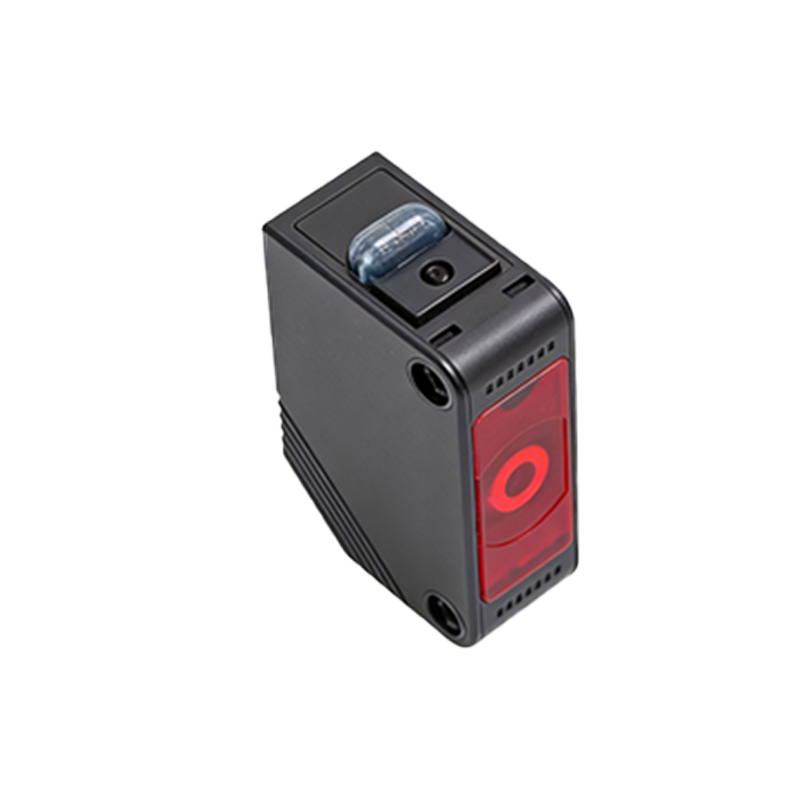
The core technology behind color mark photoelectric sensors involves a combination of light sources, receivers, and signal processing units. Typically, these sensors employ RGB (Red, Green, Blue) LEDs or white light sources to illuminate the target liquid. The reflected light is captured by a photodetector, which converts it into electrical signals. Advanced models incorporate spectral analysis or color recognition algorithms to compare the detected color against preset references. Key components include a stable light emitter to minimize ambient interference, a high-sensitivity receiver for precise measurement, and a microprocessor for real-time data interpretation. This setup allows the sensor to operate reliably across different liquid types, from clear solutions to opaque fluids, by adjusting parameters like gain and threshold settings.
Applications in Liquid Color Detection
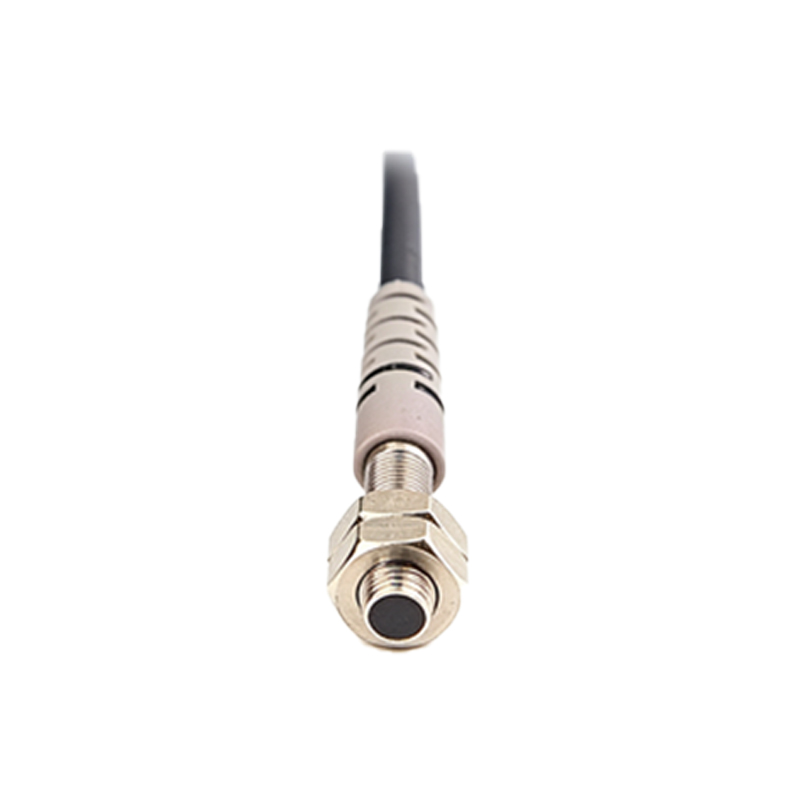
In industrial settings, color mark photoelectric sensors are widely used for monitoring and controlling liquid color. For example, in beverage production, they verify the correct tint of drinks like juices or sodas, ensuring brand consistency. In pharmaceutical manufacturing, sensors check the color of syrups or solutions to confirm proper ingredient mixing and avoid contamination. Chemical plants utilize them to detect color changes in reactions, indicating process completion or anomalies. Additionally, these sensors enable automated sorting systems in wastewater treatment by identifying colored pollutants. Their non-contact operation prevents contamination, while high-speed response supports continuous production lines, reducing waste and improving efficiency.
Selection Criteria for Optimal Performance
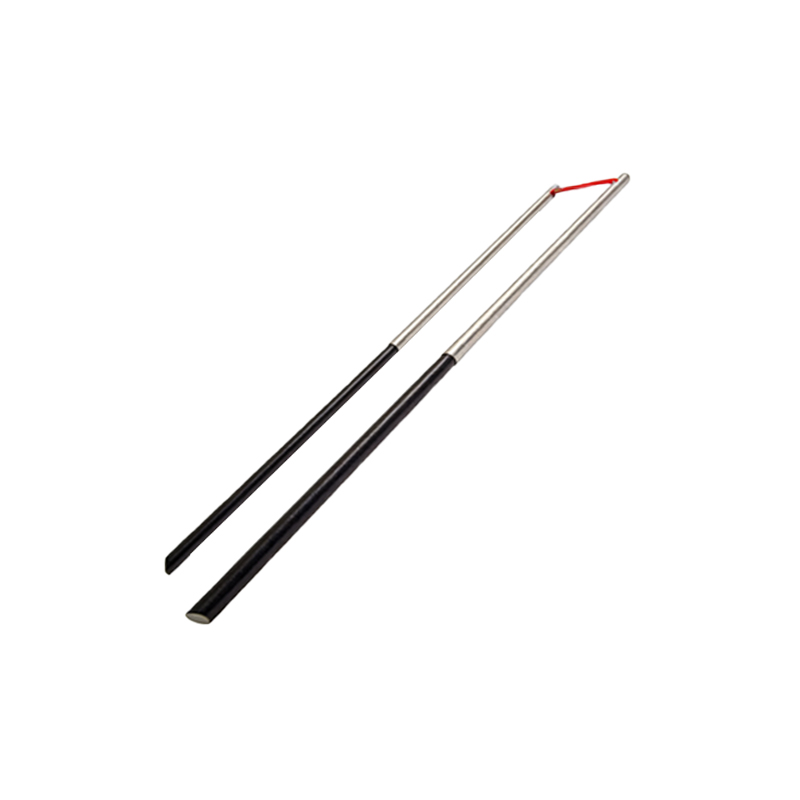
Choosing the right color mark photoelectric sensor for liquid detection requires careful consideration of several factors. First, assess the liquid's properties, such as transparency, viscosity, and surface characteristics, as these affect light reflection and absorption. Sensor specifications like detection range, resolution, and response time should match the application's speed and accuracy needs. Environmental conditions, including temperature, humidity, and exposure to chemicals, demand sensors with robust housings (e.g., IP67 ratings) and stable performance. Integration capabilities with PLCs or control systems via analog or digital outputs are essential for seamless automation. Lastly, consider calibration features and user-friendly interfaces for easy setup and maintenance, ensuring long-term reliability in demanding operations.
Installation and Calibration Best Practices
Proper installation and calibration are vital for maximizing sensor accuracy in liquid color detection. Mount the sensor at an optimal angle and distance from the liquid surface to avoid glare or shadow effects, typically using brackets or adjustable fixtures. Ensure consistent lighting conditions by shielding the area from external light sources that could skew readings. During calibration, program the sensor with reference color samples representing acceptable ranges, adjusting sensitivity to account for variations like foam or bubbles. Regular maintenance, including lens cleaning and performance checks, helps prevent drift or errors. Many modern sensors offer auto-calibration functions and diagnostic tools, simplifying upkeep and reducing downtime in fast-paced industrial environments.
Advantages and Challenges in Industrial Use
Color mark photoelectric sensors offer significant advantages, such as high precision, non-invasive detection, and adaptability to diverse liquids. They enhance quality assurance by providing real-time feedback, enabling quick adjustments in production. However, challenges can arise from factors like liquid movement, which may cause fluctuating readings, or colored containers that interfere with detection. To mitigate these, use sensors with advanced filtering algorithms and dynamic compensation features. Cost considerations also play a role, as high-end models with spectral analysis capabilities are more expensive but offer superior performance for critical applications. Overall, by addressing these challenges through proper selection and setup, industries can leverage these sensors to achieve consistent, efficient color monitoring.
Future Trends and Innovations
The future of color mark photoelectric sensors in liquid detection is shaped by ongoing technological advancements. Innovations include miniaturization for compact spaces, enhanced AI-driven color recognition for complex mixtures, and IoT connectivity for remote monitoring and data analytics. Improved sensor materials and designs are increasing durability in harsh conditions, while energy-efficient models support sustainable operations. As industries demand higher automation and smarter quality control, these sensors will evolve to offer greater integration with Industry 4.0 systems, providing predictive insights and adaptive control. By staying updated on these trends, engineers can optimize their processes and maintain competitiveness in a rapidly changing industrial landscape.