Introduction to Proximity Sensor Types
In industrial automation, proximity sensors are indispensable for non-contact detection of objects. Among the diverse range, the C1 and C2 series represent two distinct, widely-used classifications. These sensors are pivotal in applications requiring precise positioning, object counting, or safety interlocks. While both serve the fundamental purpose of detection without physical contact, their operational principles, performance specifications, and ideal use cases diverge significantly. Understanding the difference between C1 and C2 is crucial for engineers and system integrators to select the optimal sensor for a specific task, ensuring reliability, efficiency, and cost-effectiveness in a production environment.
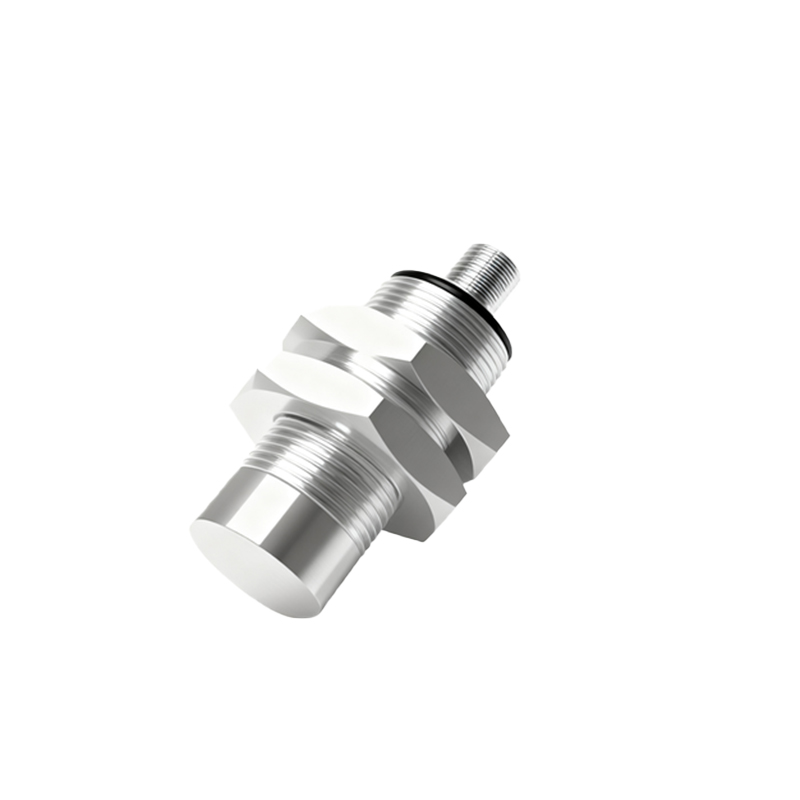
Core Technology and Sensing Principle
The primary distinction lies in their underlying technology. The C1 series typically refers to inductive proximity sensors. These sensors generate an electromagnetic field. When a metallic object enters this field, it induces eddy currents within the target, causing a change in the sensor's oscillation amplitude. This change is detected, triggering the sensor's output switch. Conversely, the C2 series commonly denotes capacitive proximity sensors. These sensors generate an electrostatic field. They can detect both metallic and non-metallic objects (such as plastics, glass, liquids, or wood) because the presence of any material with a different dielectric constant than air alters the capacitance of the sensing circuit, leading to an output state change.
Key Performance Specifications Comparison
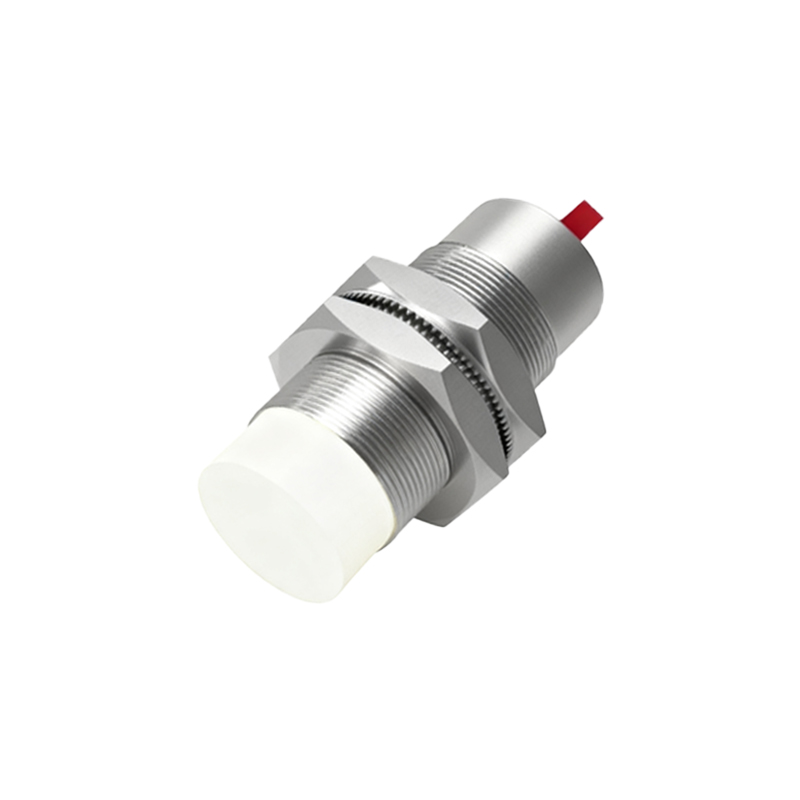
Performance parameters highlight their operational differences. Inductive C1 sensors generally offer a shorter sensing range compared to capacitive C2 sensors of similar physical size. For instance, a standard 18mm cylindrical C1 sensor might have a sensing distance of 5mm for steel, while a comparable C2 sensor could detect a material like plastic from 10mm. C1 sensors are highly insensitive to non-metallic materials and are unaffected by most contaminants like dust or oil, provided they are non-conductive. C2 sensors, while versatile, can be influenced by environmental factors such as humidity, temperature fluctuations, or the presence of conductive dust, which may alter the dielectric constant of the air gap and cause false triggering if not properly calibrated.
Target Material and Application Scope
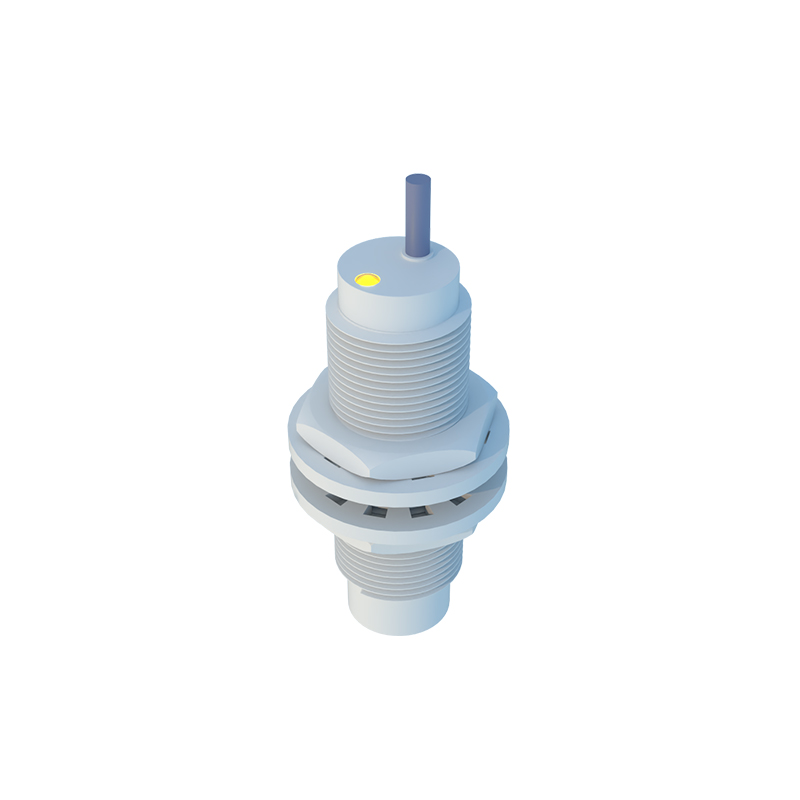
The detectable material is the most decisive factor in selection. C1 inductive sensors are exclusively for metals. Their response can vary slightly depending on the type of metal (e.g., steel, aluminum, copper) due to differences in conductivity and permeability. They are the workhorses in metal machining, robotic end-effector positioning, and detecting metal parts on conveyor lines. C2 capacitive sensors boast a much broader material detection capability. This makes them ideal for applications like liquid level detection in non-metallic tanks, monitoring the presence of plastic bottles or cardboard packages, controlling fill levels of granular materials, or even as touch-sensitive switches behind non-metallic panels.
Environmental Robustness and Installation Considerations
Installation and environmental tolerance differ. C1 sensors are renowned for their ruggedness in harsh industrial environments. They are often housed in robust metal or high-grade plastic bodies with high IP ratings, resistant to coolants, oils, and mechanical impact. Their sensing field is relatively narrow and directional, making them less susceptible to interference from adjacent metal objects if installed with proper clearance. C2 sensors require more careful installation. The electrostatic field is less directional and can be influenced by surrounding materials. Grounding and shielding are more critical. They may also require sensitivity adjustment potentiometers to fine-tune the detection threshold for the specific target material and to compensate for background interference.
Typical Industrial Use Cases
Practical applications solidify their roles. A classic use for a C1 sensor is in a CNC machine to detect the home position of a metal tool holder or to confirm the presence of a metal workpiece in a fixture. In automotive assembly, they count metal wheels on a line. For C2 sensors, a common application is in packaging machinery to verify that a plastic bottle is present and upright before filling. They are also used in wood processing to detect logs on a conveyor or in the food industry to monitor the level of flour or sugar in a silo. Each sensor type solves problems the other cannot, defining clear boundaries for their deployment.
Conclusion and Selection Guidelines
Choosing between a C1 and C2 proximity sensor is not about which is superior, but which is appropriate. The selection flowchart is straightforward: if the target is strictly metallic and the environment is electrically noisy or contaminated with oils, an inductive C1 sensor is the default, reliable choice. If the target is non-metallic, liquid, or granular, or if detection through a non-metallic container wall is required, a capacitive C2 sensor is necessary. Always consult the manufacturer's datasheets for specific model details regarding sensing distance,