Introduction to Proximity Sensing Technology
Proximity sensors are fundamental components in modern industrial automation, providing non-contact detection of objects within a defined range. These devices are crucial for enhancing operational safety, improving efficiency, and enabling precise control in manufacturing and processing environments. Among the diverse array of sensors available, the GX5M series has established itself as a reliable and versatile solution for demanding applications. This article delves into the technical specifications, operational principles, and practical uses of the GX5M proximity sensor, offering insights for engineers and system integrators.
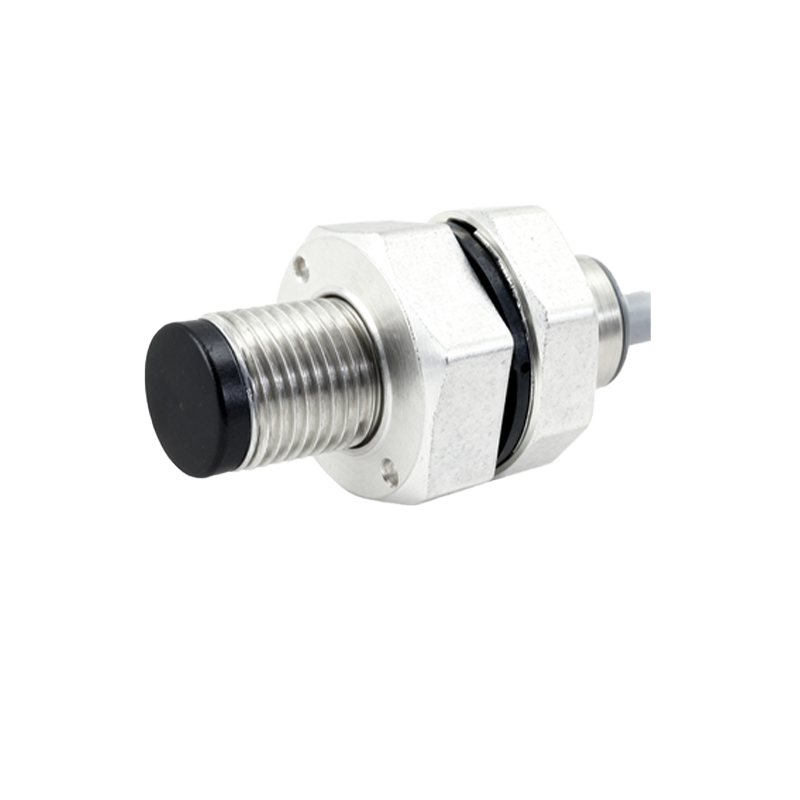
Core Technical Specifications of the GX5M
The GX5M proximity sensor is typically an inductive type, designed to detect metallic objects without physical contact. Key specifications often include a sensing range tailored for precise detection, commonly in the millimeter scale, ensuring accurate positioning. It operates on standard DC voltage supplies, such as 10-30 VDC, making it compatible with most industrial control systems. The output is usually in a solid-state switching format, like a PNP or NPN transistor configuration, providing a clean signal to Programmable Logic Controllers (PLCs). Its housing is robust, frequently rated at IP67, offering protection against dust ingress and temporary immersion in water, which is essential for harsh factory floors.
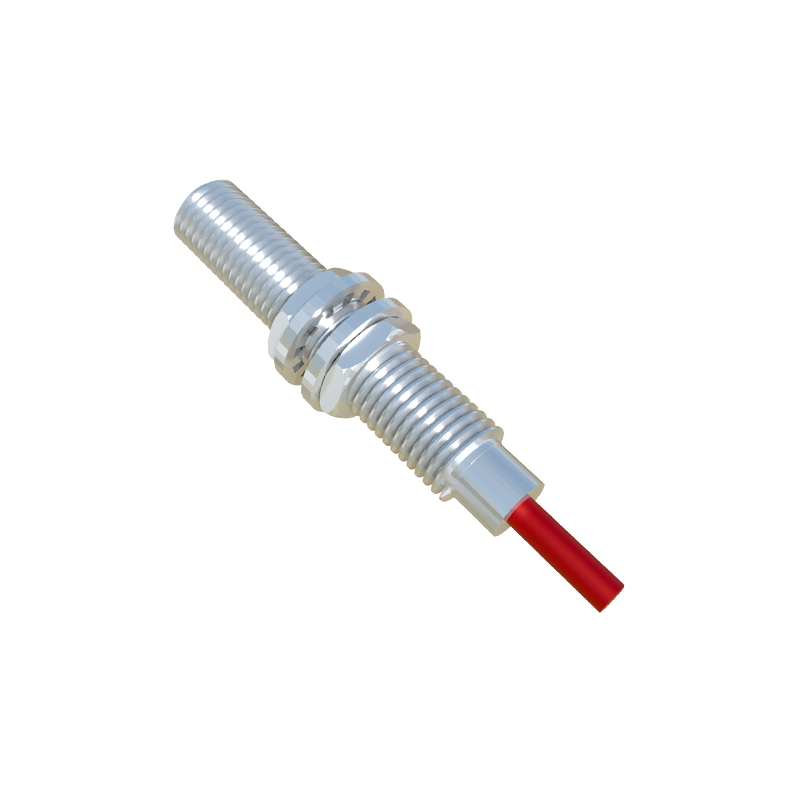
Operating Principle and Detection Mechanism
The fundamental operation of the inductive GX5M sensor is based on electromagnetic induction. The sensor's face contains an oscillator circuit that generates a high-frequency electromagnetic field. When a metallic target enters this field, eddy currents are induced on the surface of the metal. This causes a change in the oscillation amplitude within the sensor's circuit. An integrated evaluation circuit detects this change and triggers the sensor's output switch. This non-contact method ensures there is no wear and tear from mechanical contact, leading to exceptionally long service life and high reliability, even in environments with significant vibration or rapid cycling.
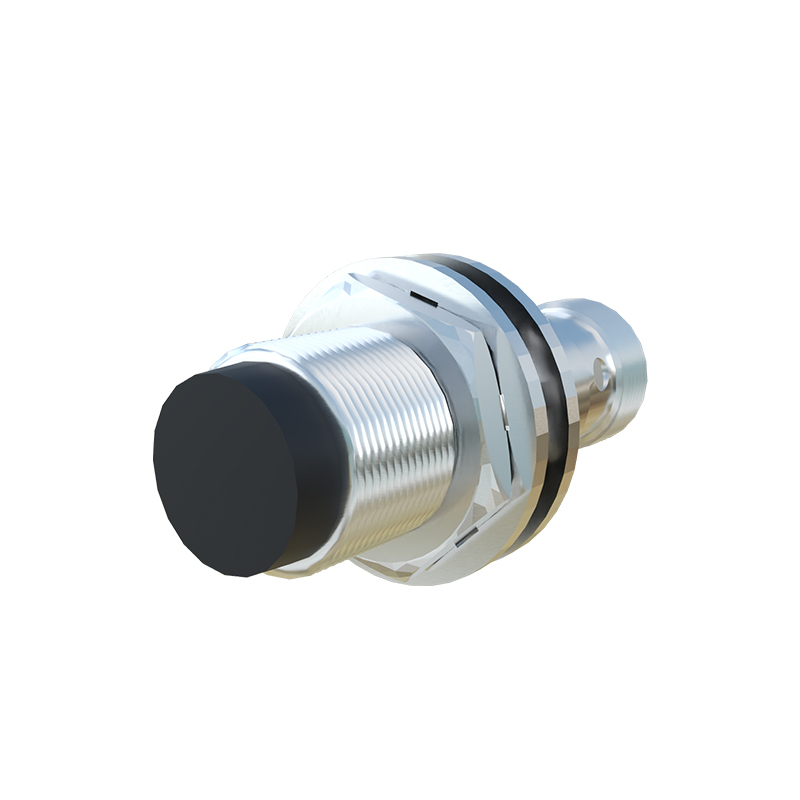
Key Advantages for Industrial Deployment
Deploying the GX5M sensor offers several distinct advantages. Its non-contact nature eliminates mechanical wear, drastically reducing maintenance needs and downtime. The high switching speed allows for detection in high-speed automation processes, such as counting parts on a conveyor belt. The robust construction ensures stable operation despite exposure to oil, coolants, and metallic chips. Furthermore, its compact and often cylindrical design facilitates easy installation in space-constrained locations. The inherent immunity to ambient light and sound, a trait of inductive sensors, makes the GX5M immune to common environmental interference found in industrial settings.
Typical Application Scenarios in Automation
The GX5M finds extensive use across various industrial sectors. In automotive assembly lines, it is used for precise position verification of robotic arms or for detecting the presence of metal components. In packaging machinery, it serves as an end-of-stroke detection sensor or for verifying that a metal foil seal is present on a container. Within material handling systems, these sensors are pivotal for object counting, jam detection, and controlling the positioning of pallets or trolleys. Machine tools utilize them for tool breakage detection or monitoring the position of slides and clamps, ensuring machining accuracy and safety.
Installation Considerations and Best Practices
Correct installation is paramount for optimal performance. Engineers must ensure that the sensor is mounted securely to avoid misalignment due to vibration. The sensing face should be positioned parallel to the target surface for maximum range and repeatability. It is critical to maintain the specified nominal sensing distance, accounting for any reduction factors for different metals (e.g., steel, aluminum, brass). Adequate clearance must be provided between the sensor body and surrounding metal structures to prevent false triggering—a concept known as the "flush-mountable" or "non-flush" installation guideline specified in the datasheet. Proper wiring, following the manufacturer's diagram for the chosen output type (sourcing or sinking), is essential for integration with the control system.
Troubleshooting Common Operational Issues
Even with robust design, occasional issues may arise. Failure to detect a target can result from incorrect power supply voltage, excessive sensing distance, or a misaligned sensor. Constant activation might be caused by nearby metallic debris or insufficient clearance from the mounting bracket. Engineers should first verify power and wiring connections, then check for physical obstructions or alignment. Using a simple metal test object at the correct nominal distance is a reliable diagnostic step. Consulting the sensor's indicator LED, which typically shows power and output status, provides immediate visual feedback for troubleshooting.
Conclusion and Selection Guidance
The GX5M proximity sensor represents a mature and highly effective technology for industrial object detection. Its reliability, speed, and durability make it a cornerstone