Common Failures in Elevator Photoelectric Sensors
Elevator photoelectric sensors are critical components in modern elevator systems, primarily used for door safety, position detection, and passenger presence monitoring. These sensors operate by emitting infrared or visible light beams and detecting their reflection or interruption. Common failures include complete sensor failure, intermittent operation, false triggering, and reduced detection range. Such issues can lead to door malfunctions, improper floor leveling, or safety system compromises. In practice, sensor failures often manifest as repeated door reopening, failure to close, or unintended stops between floors. Regular maintenance logs indicate that environmental factors and component aging are primary contributors, but underlying causes require detailed technical investigation.
Environmental Factors Affecting Sensor Performance
Dust accumulation on sensor lenses is a frequent cause of performance degradation. In elevator shafts, airborne particles from construction, clothing fibers, or general debris can obstruct light transmission. Moisture and condensation pose another significant risk, especially in humid climates or poorly ventilated shafts. Corrosion of electrical contacts due to humidity further exacerbates connectivity issues. Temperature fluctuations can also impact sensor sensitivity; extreme heat may warp housings, while cold can slow response times. Additionally, ambient light interference from bright external sources can confuse sensors, leading to erroneous readings. Proper sealing, routine cleaning, and environmental controls are essential to mitigate these effects.

Electrical and Wiring Problems
Wiring degradation is a common yet overlooked issue. Vibration from elevator movement can loosen connections, fray wires, or cause short circuits over time. Voltage irregularities in the building’s power supply—such as surges or drops—can damage sensitive sensor circuits. Poor grounding may introduce electromagnetic interference (EMI) from nearby motors or cables, disrupting signal integrity. In some cases, incompatible power adapters or incorrect voltage ratings accelerate component wear. Technicians should verify continuity, insulation resistance, and voltage stability during inspections. Using shielded cables and surge protectors can enhance reliability, while regular testing of electrical parameters helps preempt failures.
Component Aging and Wear
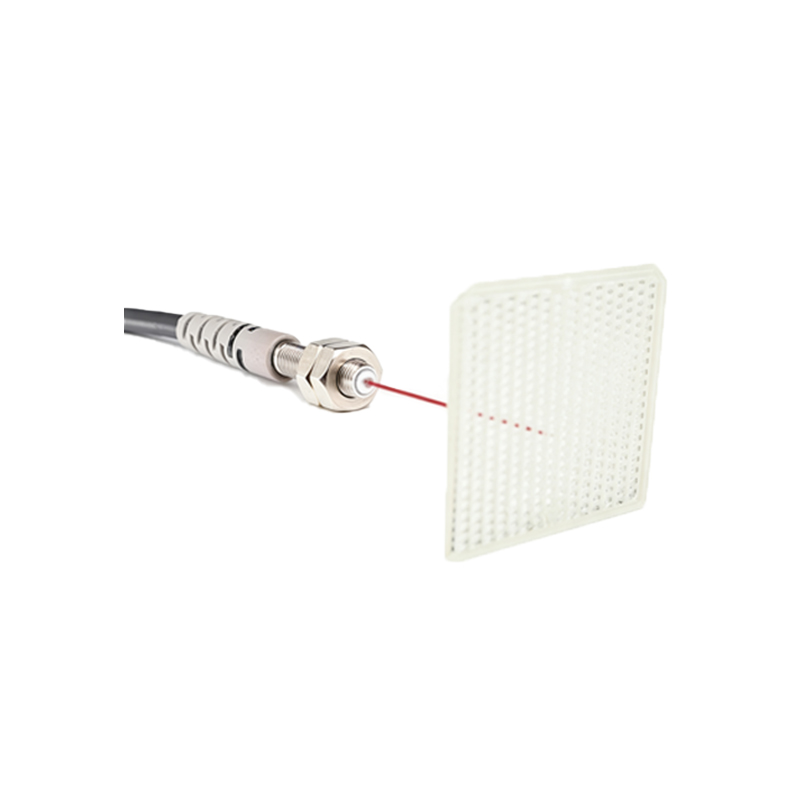
Photoelectric sensors have finite lifespans, typically ranging from 5 to 10 years depending on usage. The light-emitting diodes (LEDs) or laser diodes gradually lose intensity, reducing detection range. Similarly, phototransistors or photodiodes in receivers degrade, affecting sensitivity. Mechanical wear in mounting brackets or alignment mechanisms can misalign beams, causing inconsistent operation. Connectors and soldering joints may weaken due to thermal cycling, leading to intermittent faults. Proactive replacement based on manufacturer guidelines—rather than reactive repairs—is advisable. Implementing predictive maintenance with periodic sensitivity checks and alignment tests can extend operational life and prevent sudden breakdowns.
Installation and Calibration Errors
Incorrect installation is a root cause of many sensor issues. Improper alignment between emitter and receiver results in weak or missed signals. Mounting sensors on unstable surfaces exacerbates misalignment from vibrations. Calibration errors, such as setting detection thresholds too high or low, lead to false positives or failures to detect obstacles. Overlooking manufacturer specifications for beam angle, range, or response time can also compromise performance. Technicians must follow precise installation protocols, use alignment tools like laser pointers, and verify calibration with standardized test objects. Documentation of installation parameters aids in troubleshooting and future adjustments.
Interference from External Sources
Electromagnetic interference (EMI) from elevator motors, frequency drives, or communication systems can disrupt sensor signals. Radio frequency interference (RFI) from wireless devices may similarly affect sensitive circuits. Physical obstructions—like reflective surfaces, decorative materials, or temporary installations—can create false reflections, tricking sensors into detecting non-existent obstacles. In multi-elevator shafts, cross-talk between adjacent sensors might occur if frequencies or codes overlap. Shielding, proper cable routing, and using modulated light signals (instead of continuous beams) reduce interference risks. Site surveys during commissioning should identify and address potential sources of disruption.
Diagnostic and Maintenance Strategies
Effective troubleshooting begins with systematic diagnostics. Using multimeters, oscilloscopes, or dedicated sensor testers, technicians can measure output signals, response times, and power levels. Visual inspections for dirt, damage, or misalignment should precede electrical tests. Logging historical data—such as error codes, environmental conditions, and failure frequencies—helps identify patterns. Preventive maintenance includes quarterly cleaning, annual recalibration, and biannual electrical testing. Upgrading to modern sensors with self-diagnostics, higher ingress protection (IP) ratings, or redundant systems enhances reliability. Training personnel on latest technologies and standards ensures consistent handling of sensor-related issues.