Proximity sensors are fundamental components in modern automation, robotics, and industrial control systems. Their ability to detect the presence or absence of an object without physical contact makes them indispensable. A critical performance parameter often scrutinized by engineers and system designers is the maximum frequency, also referred to as the maximum switching frequency or response frequency. This specification dictates how quickly a sensor can reliably detect objects and output a corresponding signal, directly impacting the speed and efficiency of the entire system.
The maximum frequency of a proximity sensor is defined as the highest number of detection cycles per second it can perform while maintaining accurate and stable operation. It is typically measured in Hertz (Hz). For instance, a sensor with a maximum frequency of 1 kHz can theoretically detect up to 1000 objects passing by its sensing face in one second. This parameter is not a standalone figure; it is intrinsically linked to the sensor's response time. The response time is the total delay between the instant a target enters the sensing field and the moment the output signal completes its transition. The maximum frequency is essentially the inverse of the total response time (including both on-delay and off-delay), though practical limits and a safety margin are always applied.
Several core factors determine and limit the maximum operating frequency of a proximity sensor. First, the sensing technology itself is a primary differentiator. Inductive sensors, which detect metallic objects, often offer very high frequencies, sometimes exceeding 10 kHz for small-factor models, due to their electronic switching nature. Capacitive sensors, used for non-metallic materials, generally have lower maximum frequencies because the capacitance change they measure is slower to stabilize. Photoelectric sensors, especially modulated types, can achieve very high frequencies, with some fiber-optic amplifiers capable of 50 kHz or more, making them suitable for high-speed counting applications.
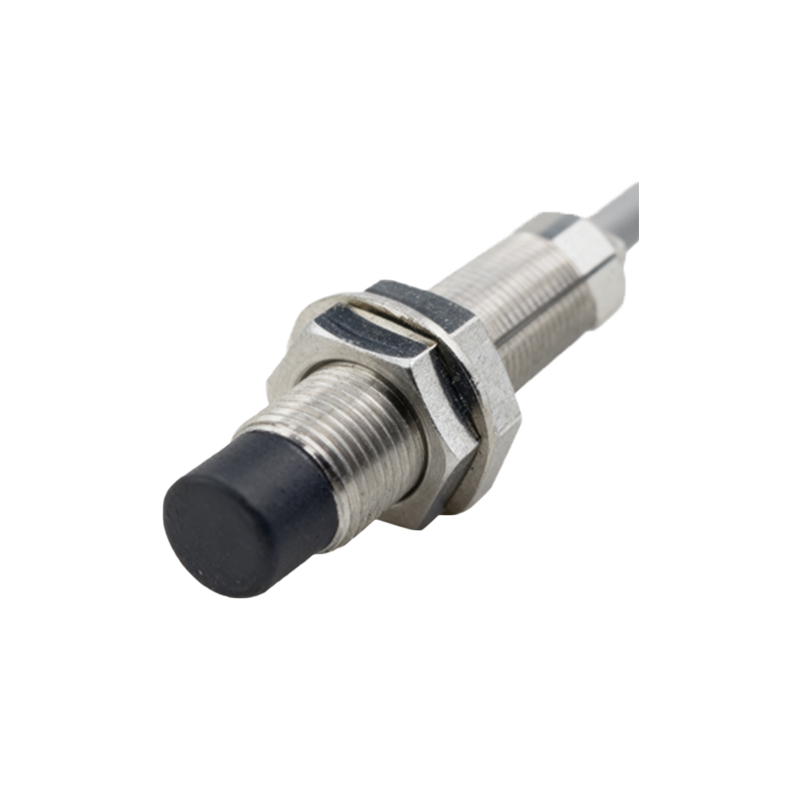
Second, the physical characteristics of the target play a significant role. The size, shape, and material of the object must be sufficient to consistently trigger the sensor. A very small target passing at high speed may not dwell in the sensing field long enough to be detected reliably. Standard testing conditions specify an ideal target (e.g., a square steel plate of a defined size for inductive sensors). Deviating from this ideal target will reduce the effective maximum frequency.
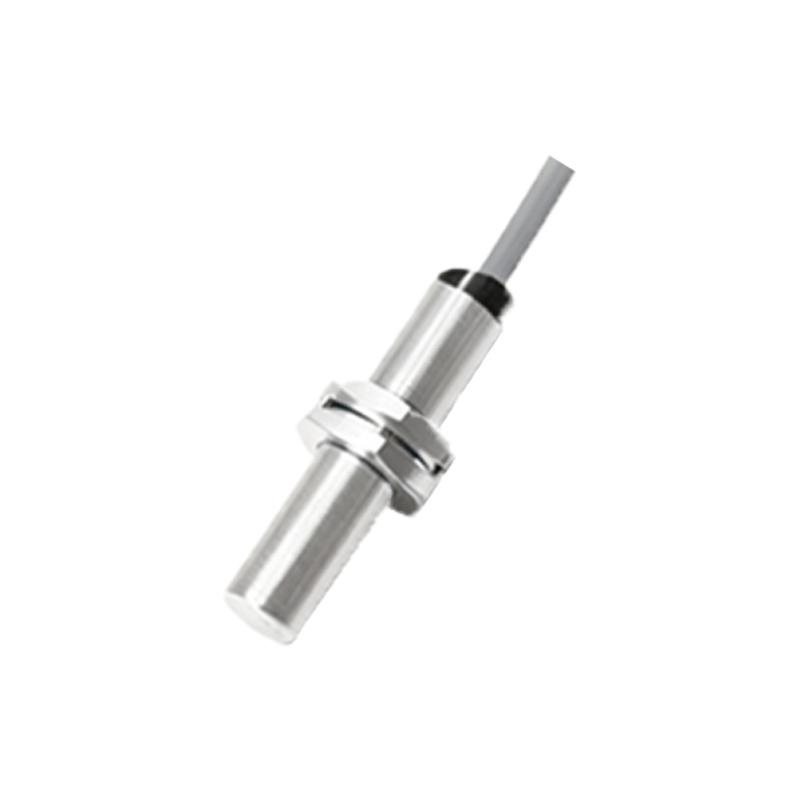
Third, the output configuration is crucial. Sensors with solid-state (transistor) outputs, particularly NPN or PNP types, can switch much faster than those with electromechanical relay outputs. Relay outputs are limited by the physical movement of contacts, making them unsuitable for high-frequency applications. Among solid-state outputs, the choice between a switching mode (like AC two-wire) and a DC three-wire sensor also affects performance, with DC types generally offering superior speed.
Fourth, environmental conditions cannot be ignored. Excessive temperature, voltage fluctuations, or electrical noise can degrade the sensor's internal circuitry performance, leading to increased response times and a lower practical maximum frequency. Ensuring stable power supply and proper shielding in electrically noisy environments is essential for maintaining rated performance.
Understanding and applying the maximum frequency correctly is vital for system design. A common mistake is to assume a sensor can operate continuously at its stated maximum frequency. In practice, a derating factor of 50-70% is often recommended for long-term reliability. For example, if a system requires detecting 400 parts per second, selecting a sensor with a maximum frequency of at least 800 Hz to 1 kHz is prudent. This accounts for real-world variables like target inconsistency, sensor aging, and environmental drift.
Applications demanding high-frequency operation are numerous. They include precision counting of small components on a high-speed conveyor, monitoring rotational speed of gears or shafts using a tooth-pass detection method, controlling the position in high-speed packaging machinery, and synchronizing processes in automated assembly lines. In these scenarios, selecting a sensor with an adequately high maximum frequency prevents missed counts, ensures synchronization accuracy, and maximizes throughput.
In conclusion, the maximum frequency is a key specification that defines the dynamic capability of a proximity sensor. It is governed by the sensor's technology, design, output type, and operating environment. System designers must carefully evaluate this parameter against their application's required detection speed, incorporating a sufficient safety margin to ensure robust, fail-safe operation. By doing so, they optimize performance, enhance productivity, and ensure the longevity of both the sensor and the automated system it serves.