Introduction to Photoelectric Sensors in Electric Vehicles
Photoelectric sensors are integral components in modern electric vehicles (EVs), serving critical functions in safety, automation, and efficiency. These sensors operate by emitting light beams—typically infrared, visible, or laser—to detect objects, measure distances, or monitor environmental conditions. In EVs, they are commonly used for applications such as obstacle detection, automatic lighting control, and battery management systems. The Kaizhi EV6, as a notable model in the electric vehicle market, incorporates advanced sensor technologies to enhance its performance and user experience. This article explores whether photoelectric sensors are present in the Kaizhi EV6, detailing their roles and benefits within the vehicle's architecture.
Overview of the Kaizhi EV6's Sensor Suite
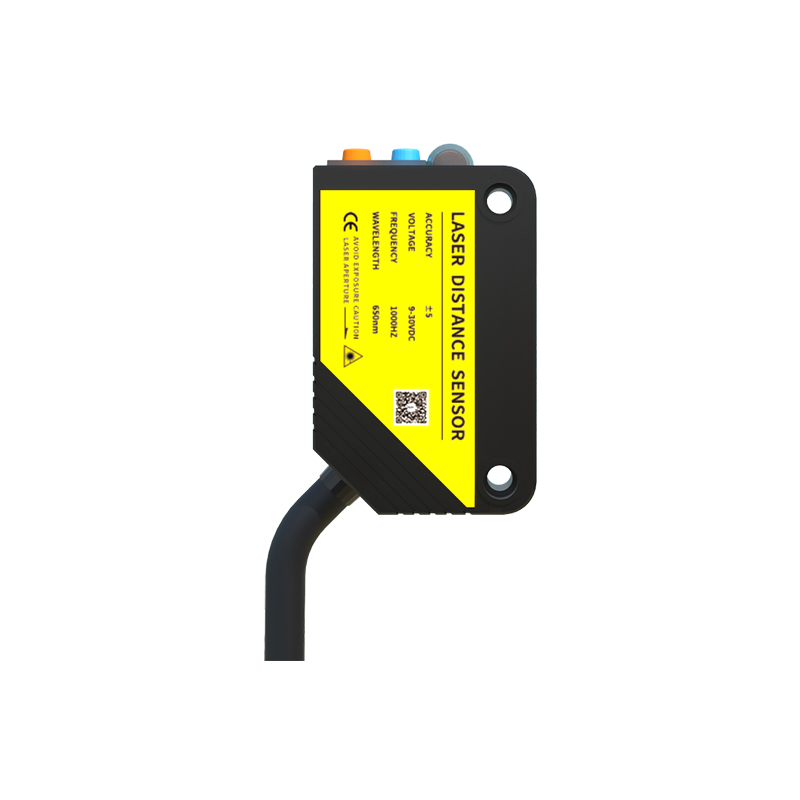
The Kaizhi EV6 is equipped with a comprehensive array of sensors designed to optimize driving dynamics, safety, and energy management. Key sensor types include ultrasonic sensors for parking assistance, inertial measurement units (IMUs) for stability control, and temperature sensors for battery thermal regulation. Photoelectric sensors form a subset of this suite, primarily deployed in specific subsystems. For instance, they are utilized in the ambient light sensing system to automatically adjust dashboard brightness and headlight intensity based on external lighting conditions. This not only improves visibility but also contributes to energy conservation by reducing unnecessary power consumption.
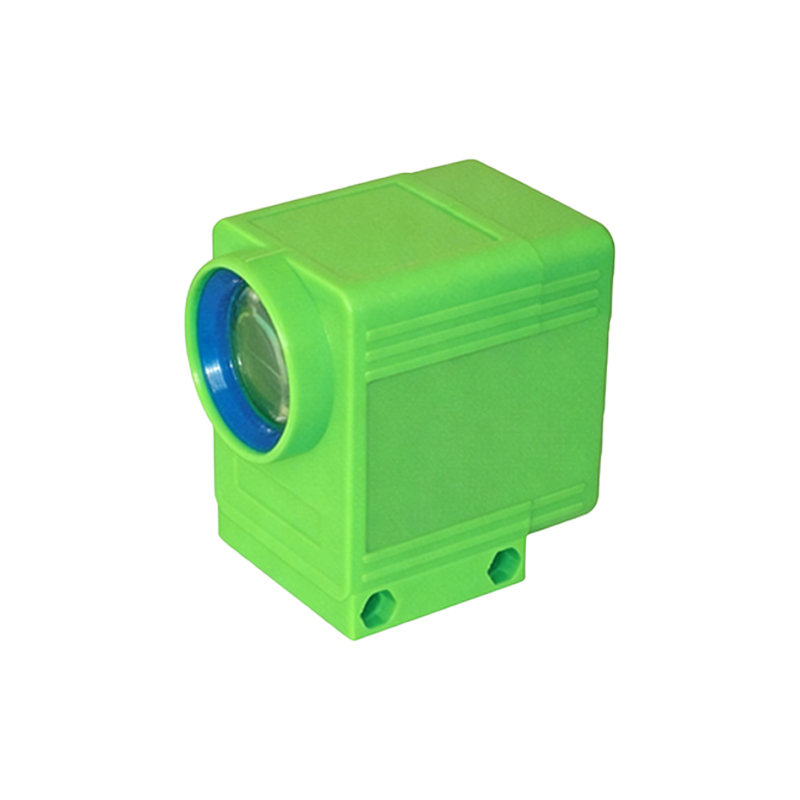
Specific Applications of Photoelectric Sensors in the Kaizhi EV6
In the Kaizhi EV6, photoelectric sensors are employed in several targeted applications. One prominent use is in the automatic wiper system, where sensors detect rainfall on the windshield by measuring light refraction or reflection, triggering wiper activation without driver input. Additionally, these sensors are integrated into the proximity detection system for objects around the vehicle, enhancing safety during low-speed maneuvers. Another application involves the cabin occupancy detection, where photoelectric sensors help monitor passenger presence to optimize air conditioning and security features. These implementations demonstrate the EV6's reliance on photoelectric technology for seamless automation and enhanced user convenience.
Technical Specifications and Performance Benefits
The photoelectric sensors in the Kaizhi EV6 feature high sensitivity and rapid response times, typically operating within a wavelength range of 850 to 950 nm for infrared applications. They offer detection distances of up to 5 meters in obstacle sensing modules, with an accuracy margin of ±2%. This precision supports the vehicle's advanced driver-assistance systems (ADAS), such as lane-keeping and collision avoidance. By leveraging photoelectric sensors, the EV6 achieves improved energy efficiency—for example, by dimming interior lights when no occupancy is detected—and reduces the risk of accidents through real-time environmental monitoring. These benefits align with industry trends toward smarter, safer EVs.
Comparison with Other EV Models
When compared to other electric vehicles like the Tesla Model 3 or Nissan Leaf, the Kaizhi EV6's use of photoelectric sensors is relatively standard but well-integrated. While some high-end models may incorporate more sophisticated LiDAR or camera-based systems for autonomous driving, the EV6 focuses on practical applications that enhance daily usability. Its sensor suite, including photoelectric components, is designed for reliability and cost-effectiveness, making advanced features accessible without significantly increasing the vehicle's price. This approach positions the Kaizhi EV6 as a competitive option in the mid-range EV segment, balancing innovation with affordability.
Maintenance and Durability Considerations
Photoelectric sensors in the Kaizhi EV6 are built to withstand harsh automotive environments, with enclosures rated at IP67 for dust and water resistance. Regular maintenance involves ensuring sensor lenses remain clean from debris, as obstructions can impair functionality. The vehicle's diagnostic system includes error codes for sensor malfunctions, allowing for timely repairs. Under normal operating conditions, these sensors have a lifespan exceeding 10 years, contributing to the EV6's long-term reliability. Owners should follow manufacturer guidelines for inspections, particularly after exposure to extreme weather, to maintain optimal performance.
Future Developments and Industry Outlook
As the electric vehicle industry evolves, photoelectric sensor technology in models like the Kaizhi EV6 is expected to advance further. Innovations may include multi-spectral sensors for enhanced environmental perception and integration with vehicle-to-everything (V2X) communication systems. These upgrades could enable more autonomous features and improved energy management. For the Kaizhi brand, investing in next-generation sensors will be crucial to staying competitive, especially as consumer demand for smart EVs grows. The ongoing development in this area highlights the importance of photoelectric sensors as a cornerstone of modern electric vehicle design.
Conclusion
The Kaizhi EV6 does incorporate photoelectric sensors, utilizing them for key functions such as automatic lighting, wiper control, and proximity detection. These sensors play a vital role in enhancing the vehicle's safety, efficiency, and user experience, aligning with broader industry standards for electric vehicles. While not as extensive as in luxury EVs, the EV6's implementation is robust and practical, offering tangible benefits to drivers. As technology progresses, future iterations may see expanded use of photoelectric systems, further solidifying their importance in the Kaizhi lineup and the EV market overall.