Introduction to Photoelectric Sensors
Photoelectric sensors are indispensable components in modern industrial automation, utilizing light beams to detect the presence, absence, or distance of objects. The CZ171A model represents a significant advancement in this technology, designed to meet rigorous industrial demands. These sensors operate by emitting a light beam from a transmitter and receiving it with a receiver. When an object interrupts or reflects this beam, the sensor triggers an output signal. This fundamental principle allows for non-contact detection, making photoelectric sensors ideal for applications where physical contact is impractical or could cause damage. The CZ171A, in particular, is engineered for high reliability and precision, ensuring consistent performance in diverse and challenging environments. Its robust construction and advanced features make it a preferred choice for engineers and technicians across various sectors.
Key Features of the CZ171A Model
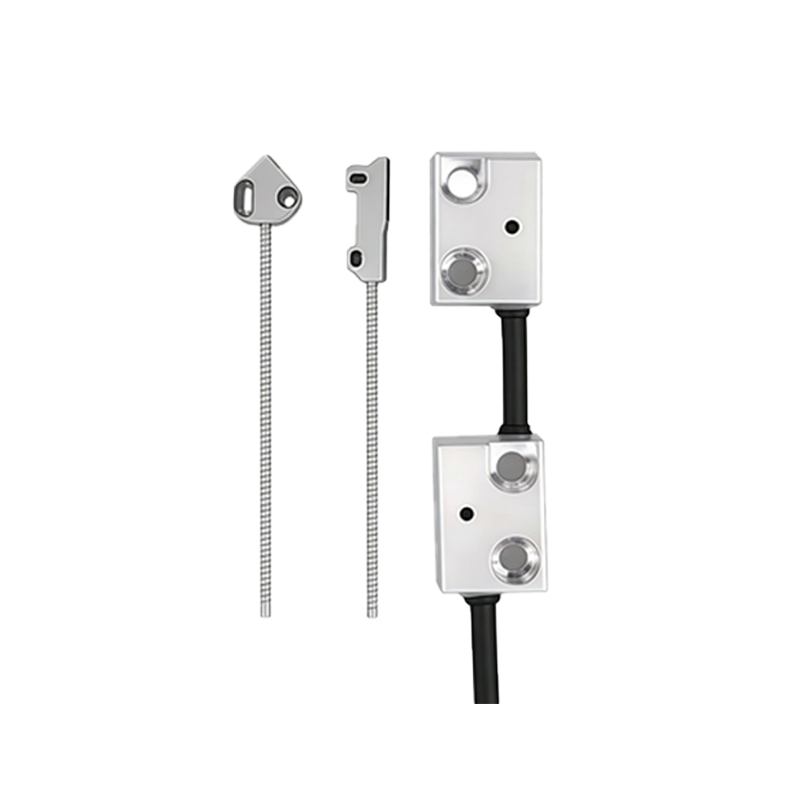
The CZ171A photoelectric sensor boasts a suite of features that enhance its functionality and durability. It typically offers a long sensing range, capable of detecting objects from several meters away, depending on the specific model and configuration. The sensor incorporates a modulated infrared LED light source, which provides immunity to ambient light interference, ensuring stable operation even in brightly lit conditions. Many variants feature a built-in sensitivity adjustment potentiometer, allowing users to fine-tune the detection threshold for optimal performance with different target materials and colors. The housing is often constructed from rugged materials like nickel-plated brass or stainless steel, providing excellent resistance to corrosion, impacts, and harsh chemicals. Furthermore, the CZ171A commonly includes an LED status indicator for easy visual confirmation of power and output state, facilitating quick installation and troubleshooting.
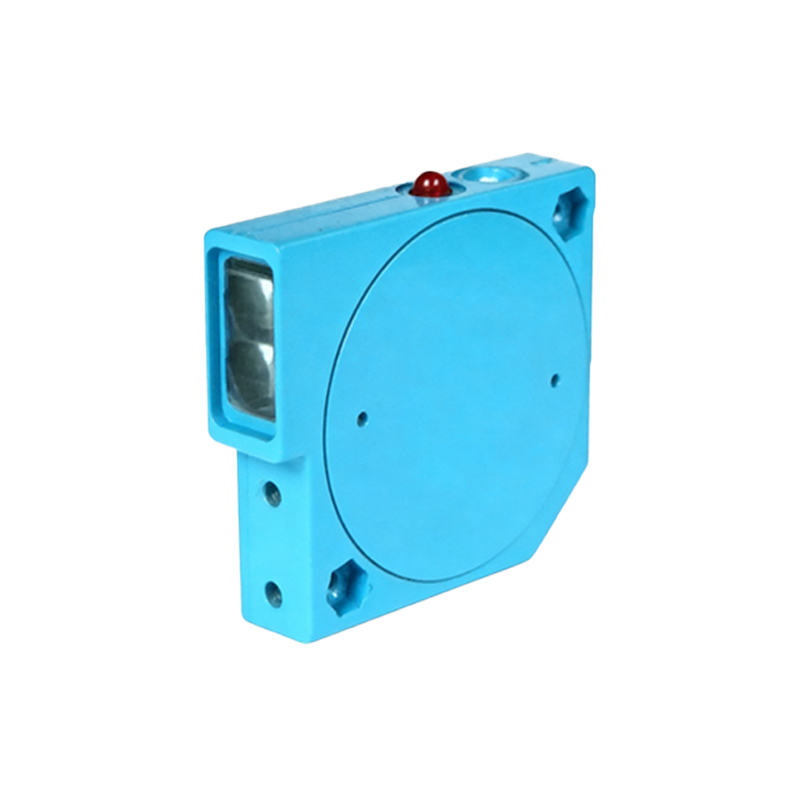
Operating Principles and Modes
The CZ171A can operate in several distinct modes, each suited for specific application requirements. The through-beam (or opposed) mode involves separate transmitter and receiver units placed opposite each other. Detection occurs when an object breaks the light beam between them, offering the longest range and highest reliability. The retro-reflective mode uses a single unit that emits light toward a reflector; the object is detected when it blocks the reflected beam. This mode simplifies wiring and alignment compared to through-beam setups. Finally, the diffuse (or proximity) mode employs a single unit where the emitted light reflects off the target object itself back to the receiver. While offering the shortest range, this mode is highly versatile for detecting objects without a separate reflector. The CZ171A is often designed to support one or more of these modes, providing flexibility for system integrators.
Electrical Specifications and Output Types
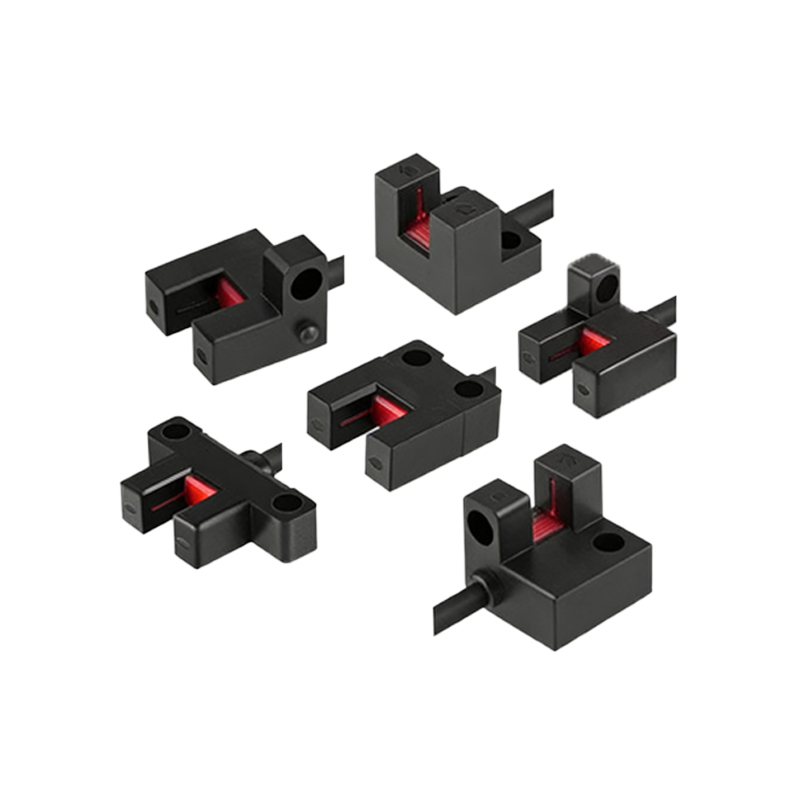
Understanding the electrical characteristics is crucial for proper integration. The CZ171A typically operates on a standard DC voltage range, such as 10-30 VDC, making it compatible with common industrial power supplies. It consumes low current, contributing to energy efficiency in large-scale installations. The output configuration is a critical specification. Common options include a solid-state NPN or PNP transistor output, which provides a fast switching response and long service life due to the absence of mechanical contacts. Some models may offer a relay output or an analog output (e.g., 4-20 mA or 0-10 V) for distance-proportional sensing. The output is often in a normally-open (NO) or normally-closed (NC) configuration, and many units feature short-circuit and reverse-polarity protection to prevent damage from wiring errors.
Installation and Alignment Best Practices
Correct installation is paramount for reliable sensor operation. When mounting the CZ171A, ensure a stable and vibration-free platform. For through-beam and retro-reflective modes, precise alignment between the transmitter, receiver, and/or reflector is essential. Many sensors feature alignment aids like built-in indicators that change state when optimal alignment is achieved. Maintain a clear optical path, free from obstructions, dust, or condensation that could scatter or absorb the light beam. Consider the environmental conditions; for instance, in dirty environments, a sensor with a higher IP (Ingress Protection) rating, such as IP67, should be selected to guard against dust and water ingress. Always follow the manufacturer's guidelines for mounting distances, minimum object size, and environmental limits to ensure specified performance.
Common Industrial Applications
The versatility of the CZ171A makes it suitable for a wide array of industrial tasks. In packaging machinery, it is used for detecting the presence of boxes, bottles, or labels on production lines, ensuring proper filling and sealing processes. Within material handling and conveyor systems, these sensors count objects, control sorting gates, and detect jams. In the automotive industry, they verify part placement in assembly robots. They are also employed in security systems as part of safety light curtains to protect personnel around hazardous machinery. Furthermore, in printing and paper processing, photoelectric sensors like the CZ171A monitor paper breaks, web guidance, and roll diameter. Their non-contact nature prevents product damage and minimizes maintenance needs.
Troubleshooting and Maintenance Guidelines
Despite their robustness, photoelectric sensors may occasionally require troubleshooting. Common issues include failure to detect objects, intermittent operation, or false triggers. First, verify the power supply voltage and polarity. Check the alignment of the optical components, as vibration or impact can misalign them over time. Clean the lens surfaces of the transmitter and receiver with a soft, lint-free cloth to remove any dirt, oil, or debris that could attenuate the light signal. Ensure the sensing mode and sensitivity setting are appropriate for the target object's size, color, and material. Inspect the wiring for loose connections or damage. The sensor's LED indicator is a valuable diagnostic tool; its behavior often helps isolate the problem. Regular preventive maintenance, including periodic cleaning and functional checks, can prevent unexpected downtime.
Advantages Over Other Sensor Types
The CZ171A photoelectric sensor offers distinct benefits compared to alternative technologies like inductive or capacitive proximity sensors. Its primary advantage is the ability to detect virtually any material—metal, plastic, wood, glass, or liquid—as long as it affects the light beam. This contrasts with inductive sensors, which only detect metals, or capacitive sensors, which can be affected by environmental humidity. Photoelectric sensors also provide a much longer sensing range. They enable high-speed detection, capable of sensing objects moving at very high velocities, which is critical in fast-paced production environments. The non-contact operation eliminates mechanical wear, leading to a longer operational lifespan and reduced maintenance costs, providing a superior return on investment for industrial automation projects.